15 min read
On this page
- + What Is a Manufacturer’s Certificate of Origin?
- • MCO vs. MSO: What’s the Difference?
- + Anatomy of an MCO: What Information Does It Contain?
- • Security Features
- + The Lifecycle of an MCO: The “Exchange” Process
- + Who Needs an MCO/MSO?
- + The Montana LLC Connection
- + Common Problems and Nightmares
- + How to Replace a Lost MCO/MSO
- + Dealing with Dealership Resistance
- + Imported Vehicles: The “Grey Market” Challenge
- + Kit Cars, Trailers, and “Home Made” Vehicles
- + State-Specific Nuances
Manufacturer certificate of origin—it’s a term that sounds like it belongs in a factory, not in your hands. Yet this single document is the most important piece of paper in the automotive world. You’ve just purchased a new vehicle, a custom trailer, or perhaps you are importing a rare gem from overseas. Amidst the excitement and the smell of fresh upholstery, you are handed a piece of paper—or perhaps you are told you need a piece of paper—that looks suspiciously like a stock certificate. It’s filled with security threads, watermarks, and technical data.
This is the Manufacturer’s Certificate of Origin (MCO), also frequently called the Manufacturer’s Statement of Origin (MSO).
For most car buyers, this document is a ghost; it exists, but they never see it. However, for cash buyers, import enthusiasts, kit car builders, and those savvy enough to register their vehicles through a Montana LLC, this document is the single most important piece of paper in the automotive world. Without it, your vehicle is just an expensive collection of metal and rubber that legally cannot touch a public road.
In this comprehensive guide, we will demystify the manufacturer certificate of origin. We will explain exactly what it is, why the DMV demands it, how to spot a fake, and what to do if yours goes missing.
What Is a Manufacturer’s Certificate of Origin (MCO/MSO)?

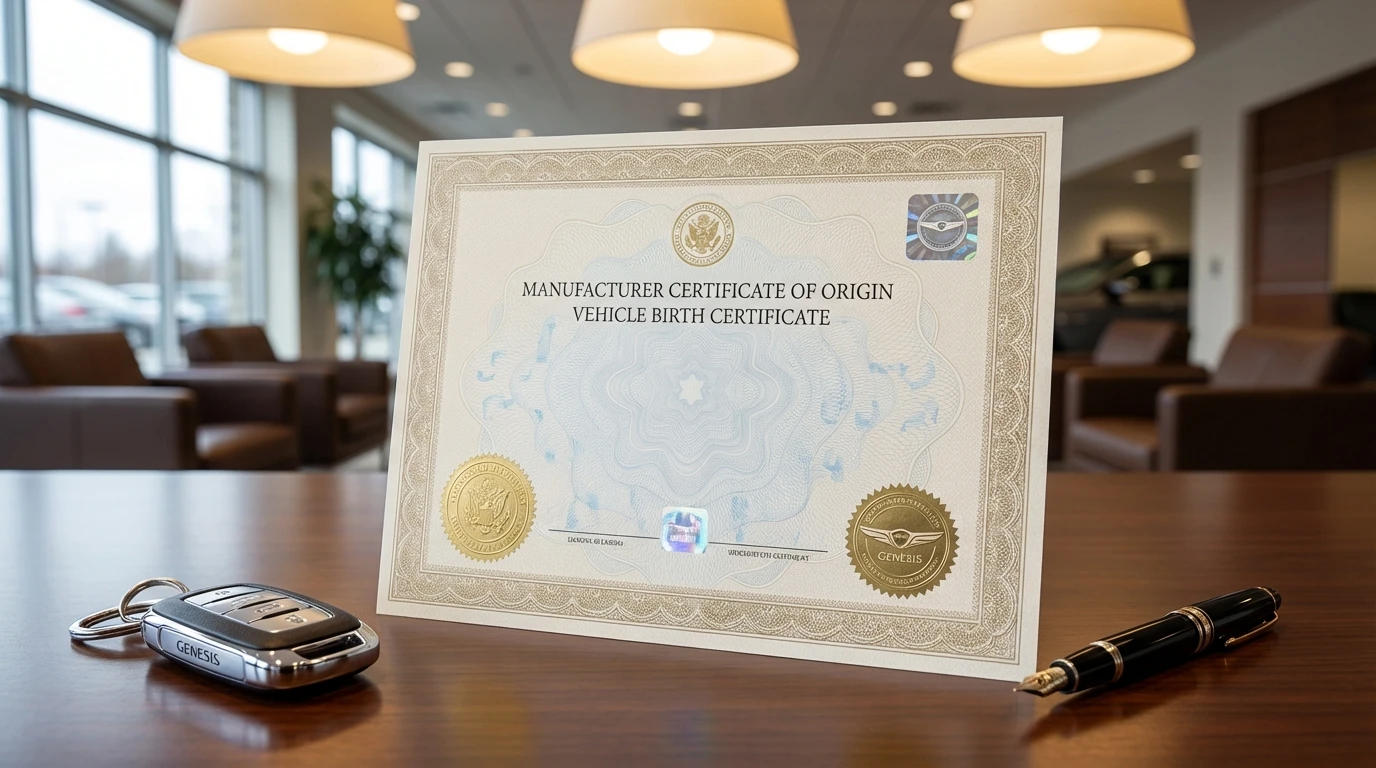
Think of the MCO/MSO as your vehicle’s birth certificate.
When a human is born, a hospital issues a birth certificate. That document is used to obtain a Social Security card and a state ID. Similarly, when a vehicle rolls off the assembly line, the manufacturer issues an MCO. This document certifies that the vehicle was built, meets specific manufacturing standards, and has not yet been titled to a consumer.
The MCO is the “pre-title” ownership document. It proves that the manufacturer has transferred ownership to a dealership or a distributor. A vehicle cannot be titled or registered for the first time without this document.
MCO vs. MSO: What is the Difference?
There is often confusion surrounding these two acronyms, but there is no need to wonder any longer. MSO (Manufacturer’s Statement of Origin) and MCO (Manufacturer’s Certificate of Origin) refer to the exact same document.
The terminology depends entirely on the manufacturer’s preference or the specific state’s legal language. For example, Ford might use “Certificate,” while Toyota might use “Statement.” Legally, they serve the exact same function: to provide the chain of ownership required to generate the vehicle’s first title.
Anatomy of an MCO: What Information Does It Contain?
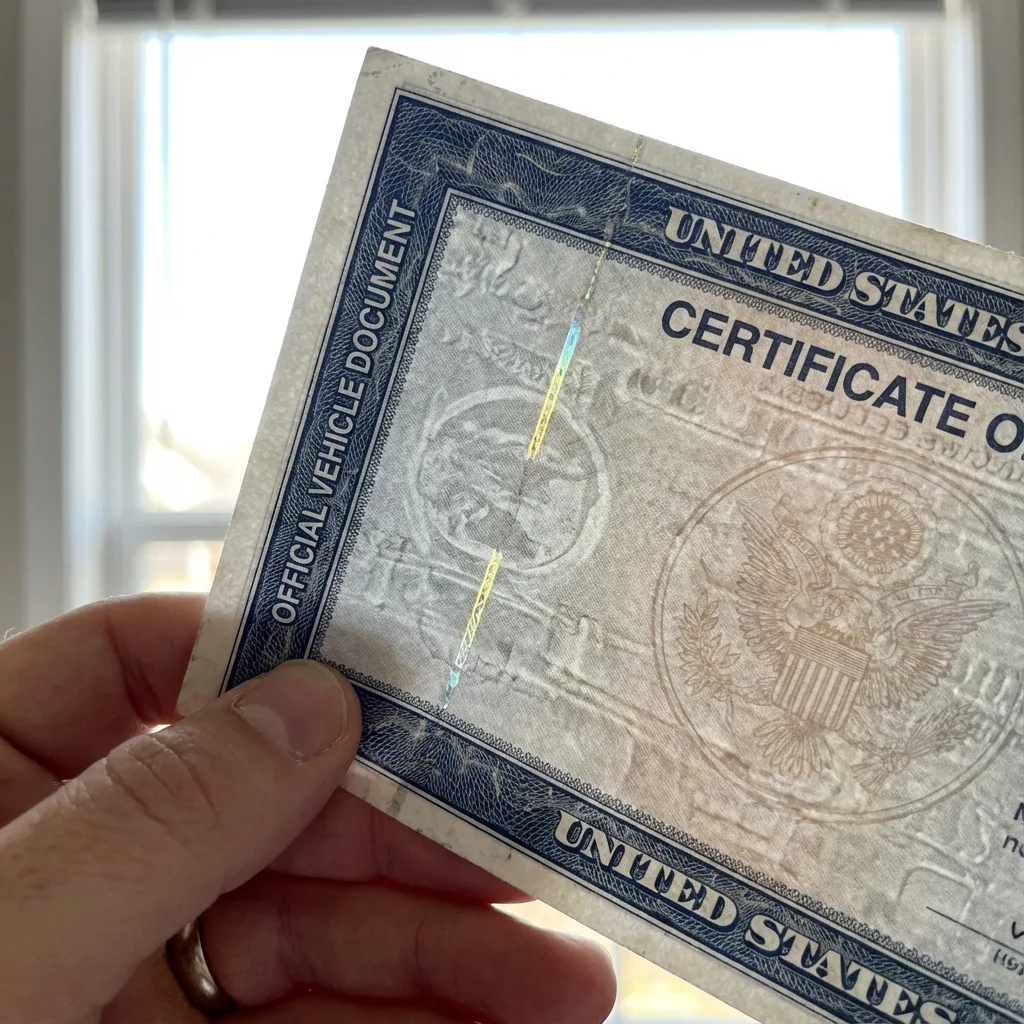
An MCO is not just a receipt; it is a highly secure legal document. According to the American Association of Motor Vehicle Administrators (AAMVA), which sets the standards for these documents, an MCO must contain specific data points to be valid.
If you are holding an MCO, you should see the following information:
- Vehicle Identification Number (VIN): The unique 17-character fingerprint of the car.
- Year and Make: e.g., 2024 Ford.
- Body Type and Series: e.g., Truck, F-150.
- Shipping Weight and GVWR: Crucial for calculating registration fees in many states.
- Horsepower and Cylinders: Technical engine data.
- Manufacturer Name and Address: The entity that built the machine.
- First Assignment: A space on the back where the manufacturer assigns the vehicle to the dealer.
Security Features
You cannot simply print an MCO at home. Doing so is a felony. Genuine MCOs are printed on bank-note quality paper with advanced security features to prevent fraud. According to AAMVA specifications, these features often include:
- Sensitized Security Paper: Paper that reacts to chemicals if someone tries to alter the ink.
- Intaglio Printing: Raised print that you can feel with your fingertips (similar to currency).
- Watermarks: Visible when held up to the light.
- Copy Void Pantograph: Hidden words (usually “VOID”) that appear if someone tries to photocopy the document.
The Lifecycle of an MCO: The “Exchange” Process
Understanding the flow of the manufacturer certificate of origin helps explain why you may have never seen one, or why you desperately need one now.
| Step 1: | Birth — The factory builds the car and prints the MCO. |
| Step 2: | Transfer to Dealer — The manufacturer ships the car to the dealer and mails the MCO. Note: Often, the bank financing the dealer’s inventory (floor planning) holds the MCO until the dealer pays the manufacturer. |
| Step 3: | Sale to Customer — You buy the car. |
| Step 4: | The Exchange — The dealer takes the MCO, assigns it to you (or your lienholder), and sends it to the DMV. |
| Step 5: | Death of the MCO — The DMV receives the MCO. They “retire” or “surrender” the document and, in exchange, issue a Certificate of Title. |
Crucial Takeaway: The MCO is a single-use document. Once a Title is created, the MCO is usually destroyed or archived by the state. You cannot have both an active MCO and a Title for the same vehicle simultaneously.
Who Needs an MCO/MSO?

While the dealership usually handles the paperwork for the average commuter car, several scenarios require the owner to physically possess and handle the MCO.
1. Cash Buyers and Out-of-State Purchasers
If you walk into a dealership and pay cash, or if you buy a vehicle in a state different from where you live, the dealer may hand you the MCO directly. It is then your responsibility to take that MCO to your local DMV (or mail it to your registration service) to get your title.
2. New Vehicle First Registration (Montana LLCs)
This is the most common reason our clients deal with MCOs. If you are purchasing a high-end supercar, a luxury RV, or a heavy-duty truck and want to register it tax-free via a Montana LLC, you must intercept the MCO. The dealer must assign the MCO to your Montana LLC, not to you personally. This document is then sent to the Montana DMV to generate the first title in the LLC’s name.
3. Imported Vehicles
If you import a vehicle that has never been registered in the US (gray market cars, foreign specs), you will not have a US Title. You will have a foreign registration or a Manufacturer’s Certificate from the country of origin. You need this to prove ownership to Customs and the DMV.
4. Kit Cars and Custom Builds
If you build a Factory Five Cobra or a custom chopper, you are the manufacturer. However, you cannot just write an MCO on a napkin. You will receive MCOs for the major components (chassis, engine, transmission). You will need these to prove to the state that you own the parts before they will issue you a VIN and a Title.
5. Exporting Vehicles
If you are buying a new car specifically to export it to another country, you often do not want to title it in the US first (which would require paying sales tax). In this case, you use the MCO to prove ownership to US Customs and Border Protection (CBP) to get the vehicle out of the country.
The Montana LLC Connection: Why the MCO is Key to Tax Savings
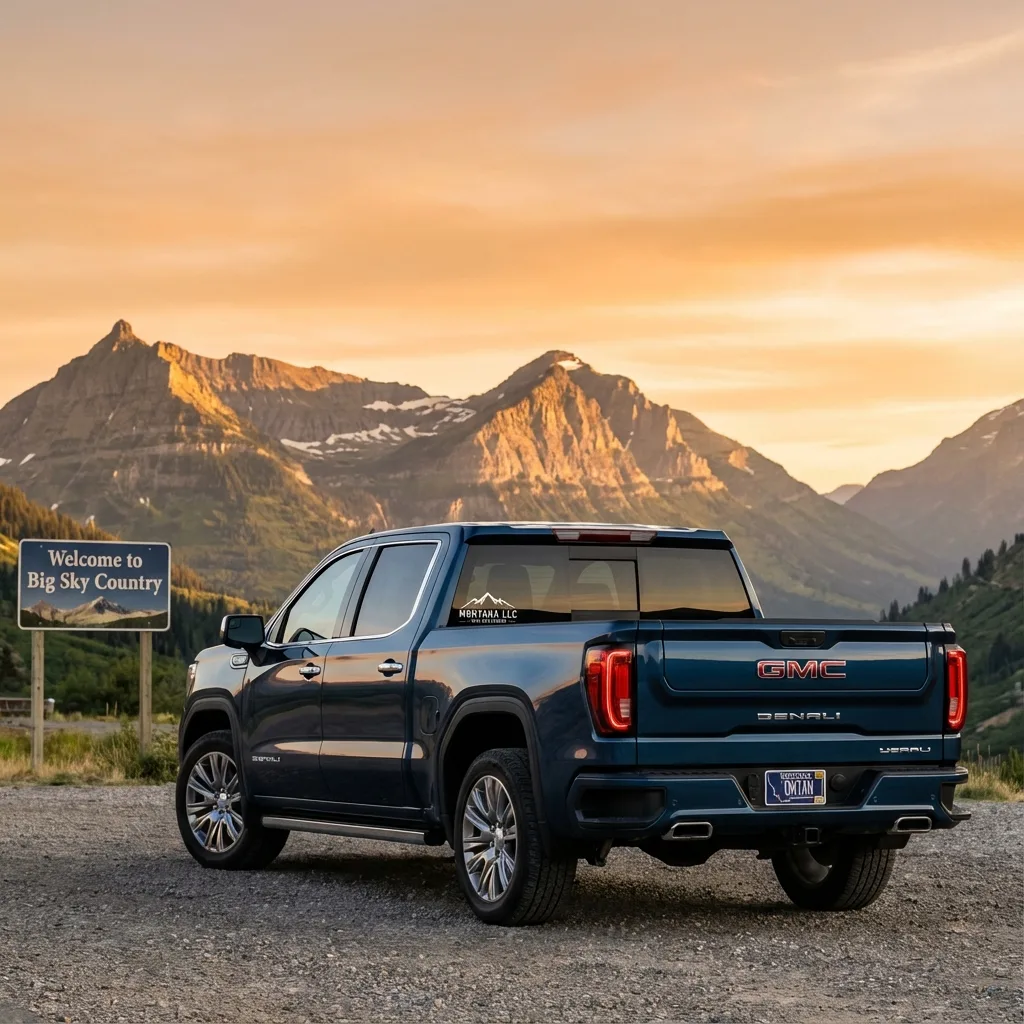
For many of our readers, the manufacturer certificate of origin is the golden ticket to thousands of dollars in savings.
Here is the scenario: You are buying a $100,000 truck. In your home state, sales tax is 8%, meaning you would pay $8,000 just to get a license plate.
However, Montana has 0% sales tax.
To utilize this, you form a Montana LLC. When you buy the truck, you instruct the dealer to make the sale to “[Your Name] LLC” rather than you personally. The dealer will fill out the back of the MCO, assigning ownership to the LLC.
You then send that MCO to a registration service. We submit it to the Montana DMV. Because the transaction is between the dealer and a Montana resident (your LLC), no sales tax is due. The Montana DMV accepts the MCO and issues a Montana Title and License Plates to your LLC.
Pro Tip: If the dealer accidentally writes your personal name on the MCO, it complicates the process. Always ensure they have the exact name of your LLC before they put pen to paper.
See how Montana LLC registration helps owners in other high-tax states:
- Arizona VLT: How to Stop Paying $1,000+ Every Single Year
- Nevada’s 8.25% Car Tax: The Hidden Cost Nobody Tells You About
- Virginia Car Tax: Stop Paying the Highest Vehicle Tax in America
Common Problems and Nightmares

Dealing with MCOs isn’t always smooth sailing. Here are the most common issues vehicle owners face.
1. The “Held Hostage” MCO
We see this frequently with direct-to-consumer manufacturers like Tesla, or small trailer manufacturers. You buy the vehicle, they drop it off, but the paperwork is nowhere to be found.
- Tesla: There are numerous forum reports of buyers waiting weeks for their MCOs. Because Tesla does not have traditional franchised dealers in every state, the mail-out process for MCOs can be sluggish.
- The Fix: You must be persistent. Without the MCO, you cannot drive legally. If a dealer or manufacturer fails to provide it within 30 days, they may be in violation of state dealer licensing laws.
2. The Dealer Refuses to Give You the MCO
Some dealers are terrified of “exporters.” They worry that if they give you the MCO, you will ship the car to China or the Middle East, which violates their franchise agreement with the manufacturer.
- The Scenario: You want to register the car yourself (or via your LLC), but the dealer says, “We must handle the registration.”
- The Fix: If you are paying cash, you legally own the vehicle. In many states, you have the right to handle your own titling. You may need to sign a “non-export agreement” to assuage their fears, proving you intend to use the vehicle in the US.
3. Lost or Destroyed MCOs
This is a headache. Maybe you moved houses, or the dealer mailed it and it got lost in the USPS void. Since the MCO is a “bearer instrument” (whoever holds it effectively controls the car’s destiny), losing it is serious.
How to Replace a Lost MCO/MSO

If your MCO is gone, do not panic—but be prepared for some legwork and fees. You cannot simply download a new one. You must go back to the source.
Step 1: Contact the Selling Dealer
Your first call should be to the dealership where the vehicle was purchased. They have the relationship with the manufacturer.
- The Request: Ask them to request a Duplicate MCO from the factory.
- The Cost: Dealerships will often charge a fee for this administrative work. Expect to pay anywhere from $50 to $150.
- The Timeline: This is not instant. It can take 2 to 6 weeks for the factory to print and ship a secure document.
Step 2: Contact the Manufacturer Directly
If the dealer is out of business (common with trailer companies or niche powersports brands), you must contact the manufacturer’s records department.
- Requirement: You will likely need to provide a Bill of Sale, photos of the VIN plate, and a notarized affidavit stating the original was lost and never titled.
Step 3: The “Duplicate” Stamp
A replacement MCO will almost always be stamped “DUPLICATE” in red ink. This alerts the DMV to check if the original was ever used.
Warning: If the original MCO was used to create a title somewhere, the Duplicate will be rejected. The DMV system will flag that a title already exists for that VIN.
Dealing with Dealership Resistance

One of the biggest friction points for our clients is a dealer who says, “We don’t give MCOs to customers. It’s company policy.”
Why do they do this?
- Liability: They want to ensure the car is registered so you don’t commit crimes in a “ghost car.”
- Profit: They often make money on the “Doc Fee” or registration processing fees.
- Floor Planning: As mentioned earlier, the dealer might not actually have the MCO yet. If they haven’t paid their bank for the car, the bank holds the MCO.
How to Handle It
If you are using a Montana LLC service, provide the dealer with your LLC’s Articles of Organization and specific instructions from your service provider. Most large dealer groups are familiar with out-of-state LLC registrations. If they refuse, you may need to escalate to the General Manager or Finance Director. Explain that you are registering the vehicle in a different jurisdiction and require the MCO to complete the process.
Imported Vehicles: The “Grey Market” Challenge
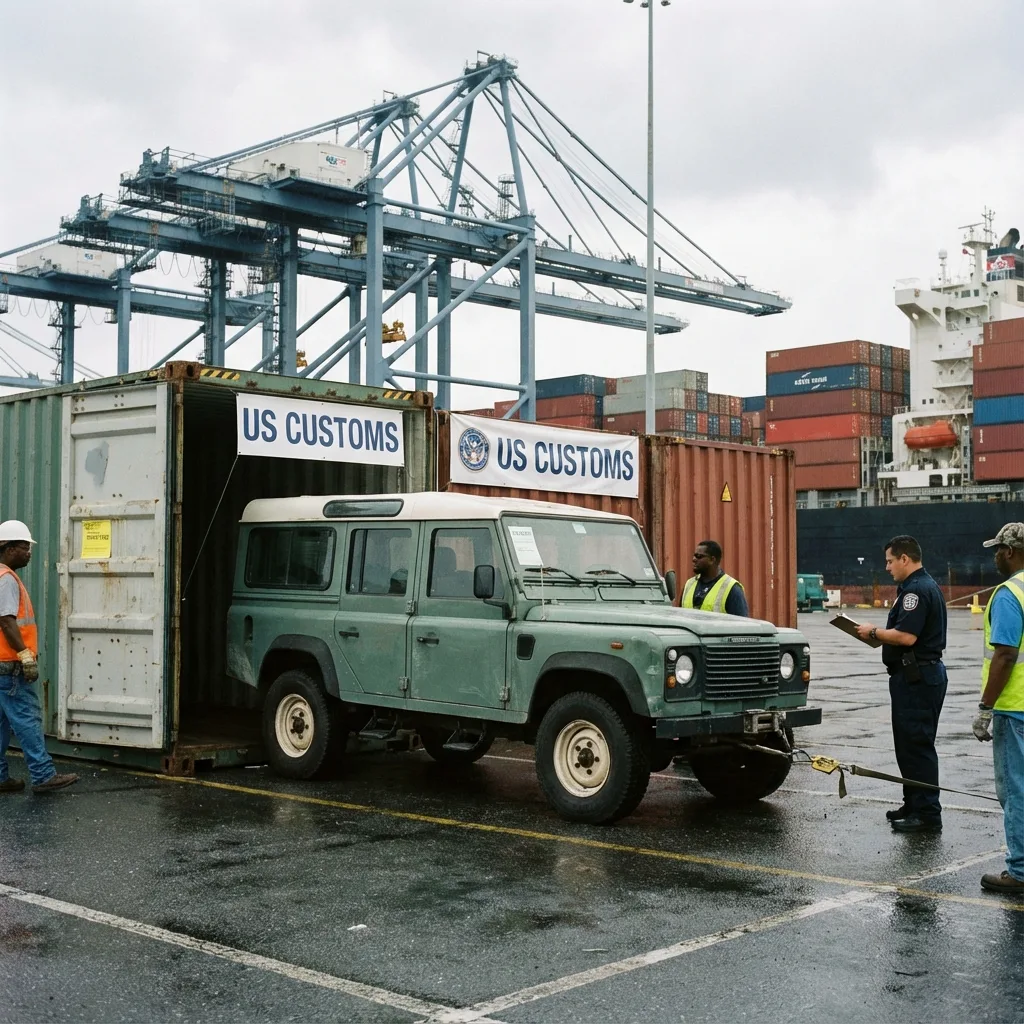
Importing a vehicle adds a layer of complexity. If you are bringing in a Land Rover Defender from the UK or a Kei truck from Japan, you won’t have a standard US MCO.
You will likely have a foreign title or export certificate. When you arrive at US Customs, you must clear the vehicle. Once cleared, you aren’t done.
To get a US Title, most states require:
- The foreign ownership document (essentially the foreign MCO).
- CBP Form 7501 (Entry Summary) proving duties were paid.
- DOT HS-7 (Declaration regarding safety standards).
- EPA 3520-1 (Emissions declaration).
Critical Warning: If you lose the foreign MCO, getting a replacement from a manufacturer in Japan or Germany for a 25-year-old car is nearly impossible. Guard these documents with your life.
Kit Cars, Trailers, and “Home Made” Vehicles
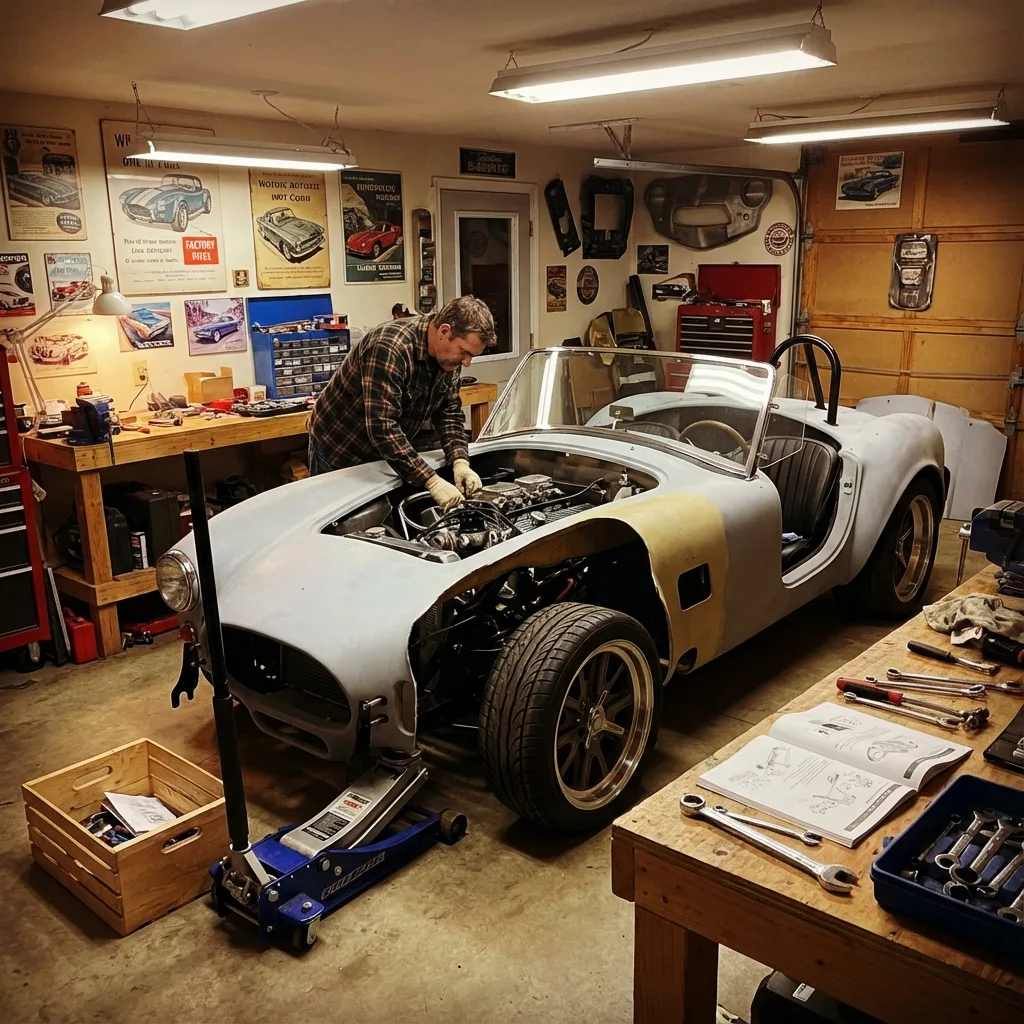
What if you built the trailer in your backyard? There is no “manufacturer” to call.
In this case, you are the manufacturer. However, you cannot issue an MCO to yourself. Instead, you must go through a “Special Construction” or “Home Made” registration process with your state.
This usually involves:
- Keeping receipts for all steel, axles, and lights.
- Having the vehicle inspected by a state trooper or DMV inspector.
- The state assigning a VIN (often called a “State Assigned VIN”).
- The state issuing a Title directly, bypassing the MCO stage entirely.
Warning regarding “Blank MCOs”: You can find blank MCO templates online. Do not use these. Filling out a fake MCO and presenting it to a government agency is fraud. If you built the vehicle, use the proper legal channel for home-built vehicles.
State-Specific Nuances
While AAMVA sets the standards, every state DMV is a little kingdom with its own rules.
Conclusion: Respect the Paperwork
The manufacturer certificate of origin is more than just a receipt; it is the currency of the automotive titling world. Whether you are a standard buyer, an importer, or a smart investor utilizing a Montana LLC, understanding the power of the MCO is essential.
It bridges the gap between the factory floor and your driveway. It proves that your vehicle is real, legal, and yours.
Key Takeaways
- MCO and MSO are the same thing.
- Never lose it; replacements cost time and money ($100+).
- Check the details; ensure the VIN and assignment names are 100% correct.
- Use it to your advantage; the MCO is the tool that allows for tax-free Montana registration.
If you are stuck in MCO purgatory—whether the dealer won’t release it, you’ve lost it, or you’re trying to register a vehicle without a title—you don’t have to fight the DMV alone.
Ready to Register Your Vehicle Tax-Free?
Montana LLC registration has saved vehicle owners millions in sales tax. Let us handle your MCO paperwork.