
23 min read

On this page
- + The Envelope That Ruins February
- + What Is the Massachusetts Excise Tax?
- + The Real Cost: 5-Year Burden Tables
- + The 10% Floor: A Tax for Eternity
- + The Healey Rate-Tripling Threat
- + Who Gets Hit Hardest
- + Four Massachusetts Case Studies
- + The Montana Solution
- + Is This Actually Legal?
- + Who Benefits Most
- + Our Process
- + 14-Day Timeline
- + FAQs
- + Conclusion
The Envelope That Ruins February
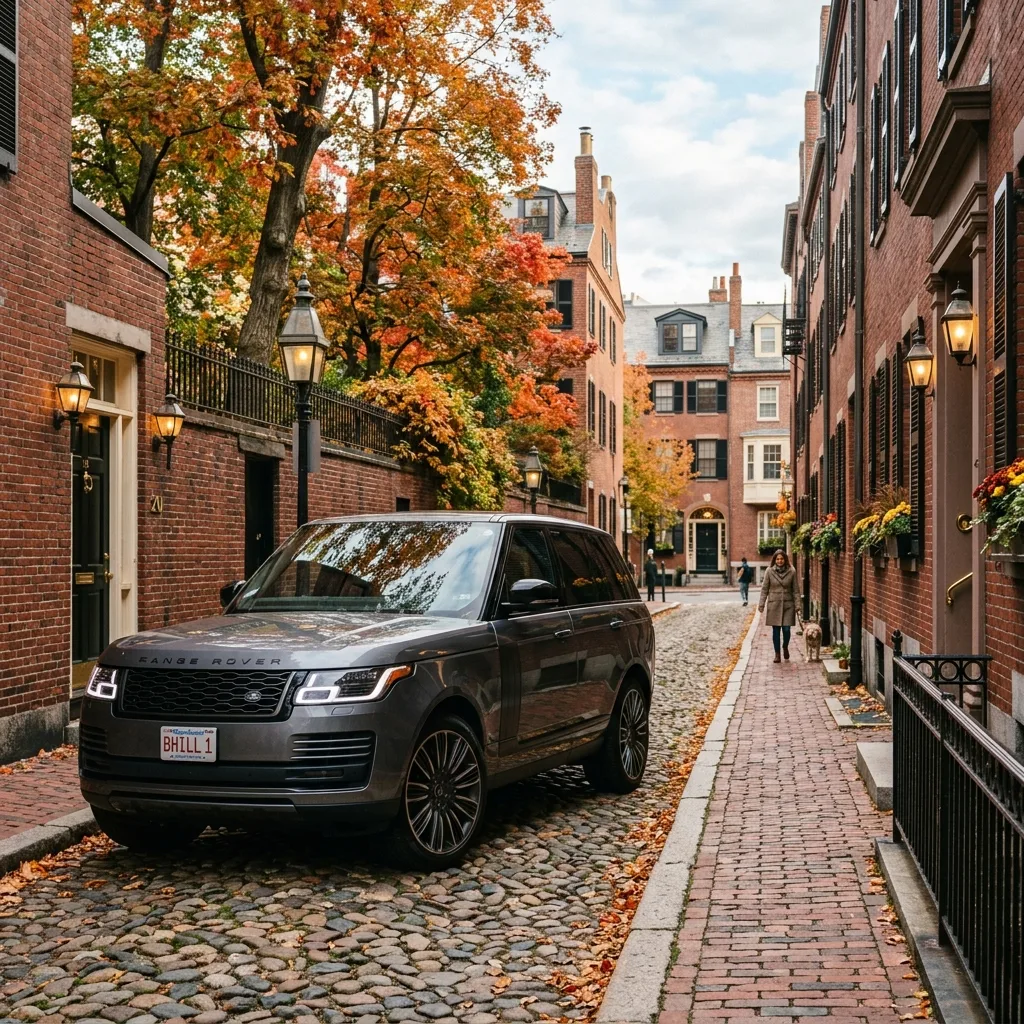
Massachusetts excise tax bills land in mailboxes across the Commonwealth like little blue grenades, each one engineered to detonate the same week your heating oil delivery hits and your federal estimated tax payment is due. You know the envelope. The town seal in the upper left corner. The window showing your name in machine-printed black. The thin paper that almost feels apologetic, as if the town itself knows what it is asking. You open it standing at the kitchen island in Wellesley or Hingham or Chatham, coffee going cold, and there it is: a four-digit number that has nothing to do with what your car is actually worth and everything to do with what the Commonwealth of Massachusetts believes it is owed.
Quietly, thousands of Massachusetts residents are deciding to do something about it. Not protest, not move, not complain on Twitter. Something quieter and far more effective: they are restructuring how their vehicles are titled and registered, and they are doing it through a Montana limited liability company. The result is the legal elimination of the excise tax, the 6.25 percent sales tax, and in many cases the obligation to ever renew a registration again.
If you own a luxury vehicle, a recreational vehicle, a classic car, a boat trailer, a motorcycle, or any combination of the above, this article will show you exactly how the Massachusetts excise tax is calculated, why it is structured to extract money from you forever, what Governor Maura Healey is proposing that could triple it, and how Massachusetts owners are legally stepping out of the system entirely.
Read it before your next bill arrives. The window to act is narrower than most residents realize, and the dollar amounts at stake are far larger than the bill itself suggests.
What Is the Massachusetts Excise Tax?

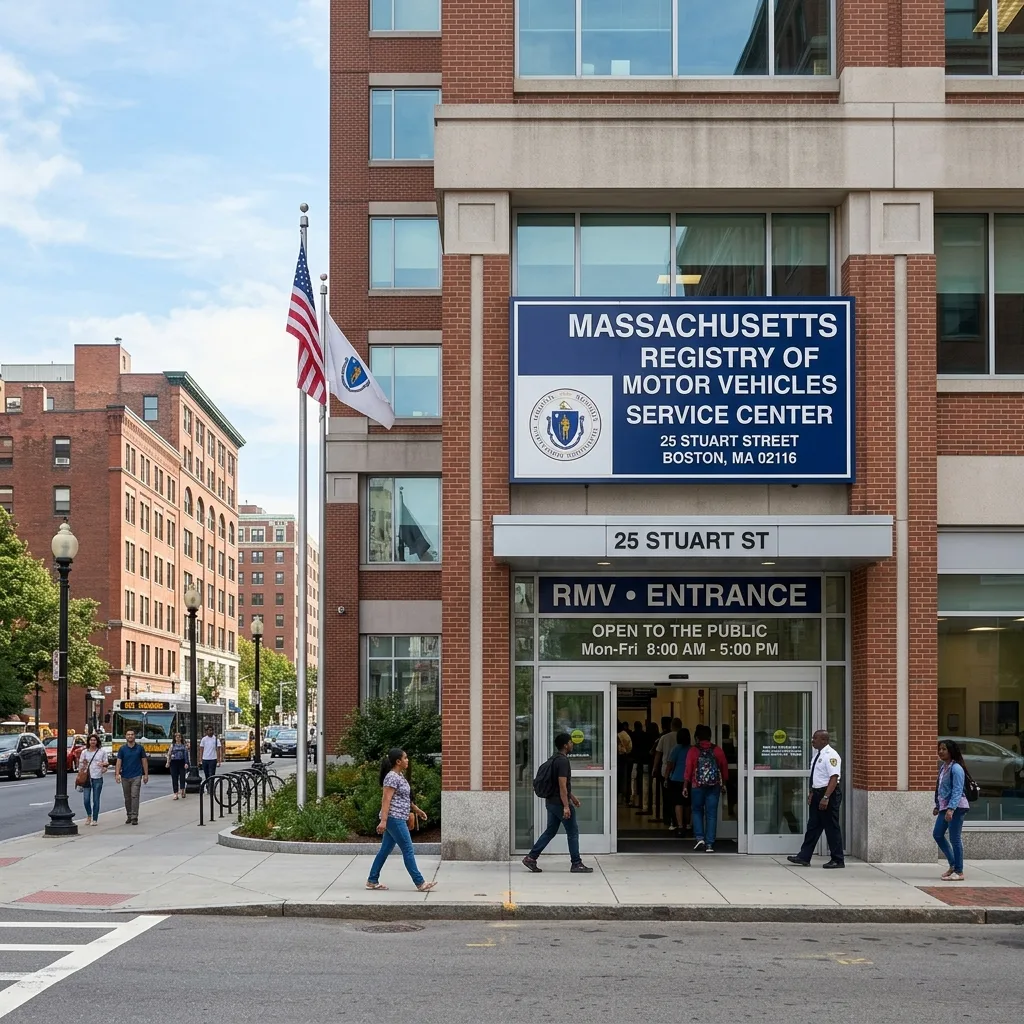
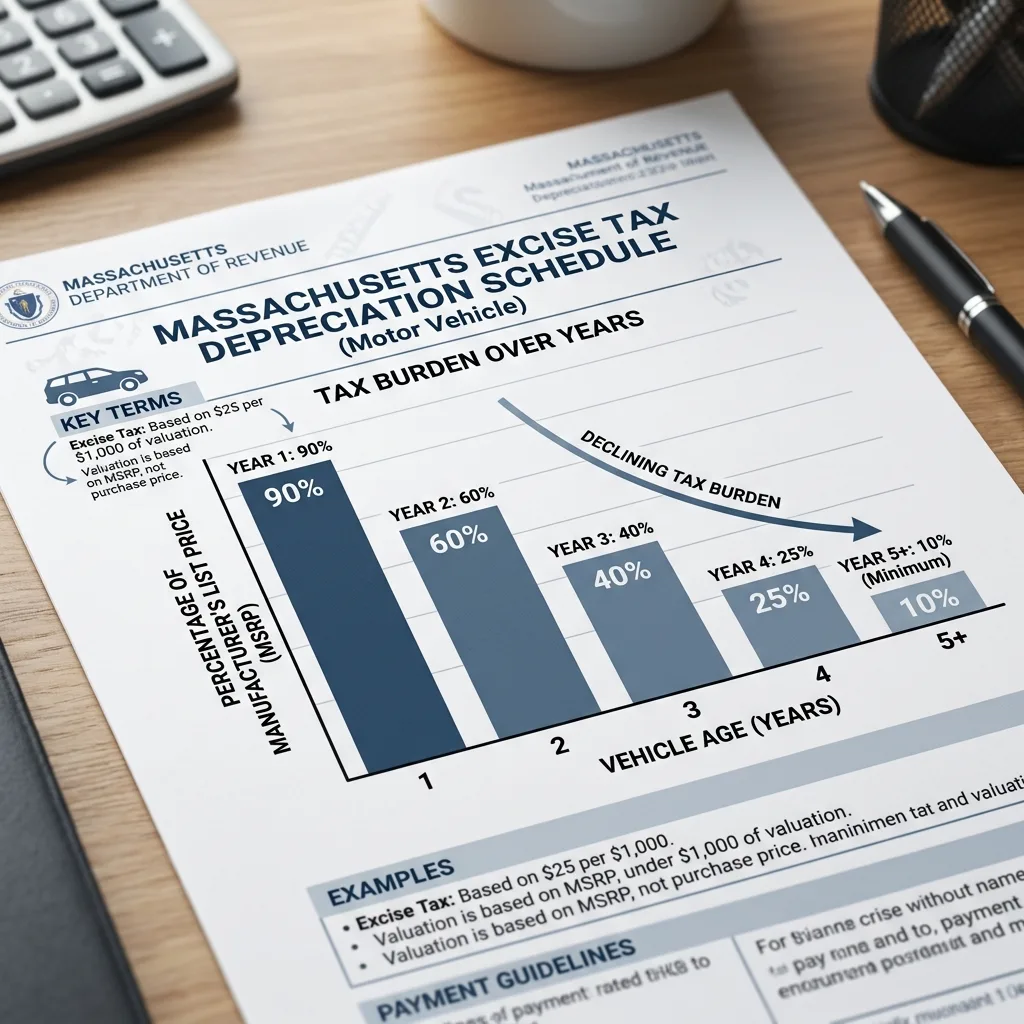
The Massachusetts excise tax is an annual property-style tax assessed on every motor vehicle and trailer registered in the Commonwealth. It is administered by the 351 individual cities and towns under Chapter 60A of the Massachusetts General Laws, and the rate is fixed statewide at $25 per $1,000 of valuation, which works out to a flat 2.5 percent. Pay your registration to the Massachusetts Registry of Motor Vehicles through the Massachusetts RMV, and the city or town where you garage the vehicle generates an excise bill that arrives separately, usually in February or March.
If the rate sounds modest, the valuation method is where the hammer falls. Massachusetts does not use what your car is worth on the open market, what you paid for it, what KBB says, or what an insurance adjuster would call its actual cash value. Massachusetts uses the manufacturer’s suggested retail price, the MSRP, frozen at the moment your vehicle rolled off the dealer lot, and then runs that MSRP through a depreciation schedule that has been carved into stone since the Carter administration.
That schedule is the entire trick.
That last row is the punchline. Once a vehicle hits its fifth year, the assessed value drops to ten percent of the original sticker price and stays there. Not nine percent. Not five. Not zero. Ten percent of MSRP, every year, until the vehicle is junked, exported, or transferred out of state. A car worth nothing on the open market, sitting in a barn in Sheffield with four flat tires, is still being assessed at ten percent of what it cost new in 1998. That is not a depreciation schedule. That is a perpetual annuity to the municipality, and it is the single most important fact about the Massachusetts excise tax that almost nobody understands until it is too late.
On top of the excise, Massachusetts charges a 6.25 percent sales and use tax at the moment of purchase, a $60 biennial registration fee, mandatory annual safety inspections at $35 each, and title fees that vary by transaction type. The excise is the largest of these by an order of magnitude, but it is also the one residents most often misunderstand because it does not arrive at the dealer, it arrives months later in that thin blue envelope.
The Real Cost: 5-Year Burden Tables
Numbers in isolation lie. To understand what the Massachusetts excise tax actually costs, you have to add the sales tax, the recurring excise across the depreciation schedule, the registration fees, and the inspection costs, then look at the cumulative figure across a realistic ownership window. Here is the math, run cleanly, for the vehicles Massachusetts residents actually buy.
$35,000 Toyota Camry XSE V6
$80,000 Range Rover Sport
$150,000 Porsche 911 Turbo
$400,000 Class A Motorcoach
The Lamborghini Revuelto buyer at $500,000 MSRP looks at $11,250 in Year 1 excise alone, $28,125 across five years, and $31,250 in upfront sales tax for a five-year tax bill of $59,375. After that, the floor never disappears. Year six, year seven, year twenty: $1,250 every February, forever, on a car that may not even start.
The 10% Floor: A Tax for Eternity

Most state vehicle taxes have a sunset. Connecticut’s property tax winds down. New Hampshire’s permit fee drops. Even Virginia’s notorious car tax has municipalities that phase out collection on older cars. The Massachusetts excise tax does not. The depreciation schedule grinds down for four years and then it stops, frozen permanently at ten percent of the original sticker price, and that ten percent figure is the basis for every assessment that arrives in your mailbox until the day you sell the car, scrap it, or carry it out of the Commonwealth in a flatbed.
Consider what this means in practice. A Concord collector who bought a 2008 Porsche 911 GT3 for $112,000 in 2008 is still being assessed at ten percent of that figure in 2026. The town sends an annual bill of $280. Multiply that by eighteen years of ownership and the floor alone has cost over $5,000 on a single car, with no end in sight. Now imagine a six-car collection. Now imagine a ten-car collection. The mathematics of the floor are how Concord, Wellesley, and Sherborn fund a meaningful slice of their municipal budgets, and the people paying it are the people who can least be bothered to fight it: time-poor professionals and retirees who write the check without thinking.
The 10% floor is not depreciation. It is a perpetual tax. Massachusetts is the only state in the Northeast that pretends to depreciate vehicles to zero on paper while actually freezing the tax basis at ten percent of MSRP forever. There is no statutory ceiling on how many years you can be billed at the floor.
The floor hits collectors hardest, but it also wrecks the math for anyone who keeps a car a long time. The frugal Cambridge engineer who buys a $45,000 Honda Pilot and drives it for fifteen years thinks she is being smart. She is, in every dimension except the one Massachusetts cares about. Years one through four she pays roughly $2,531 in excise. Years five through fifteen she pays $113 every year, eleven more times, for another $1,238 in floor payments on a car that Carmax will not give her $4,000 for. Total excise over fifteen years: $3,769. That is a fully optioned outdoor furniture set, paid to a town that has not built her a single new road.
The Healey Rate-Tripling Threat
Everything you just read describes the Massachusetts excise tax as it exists today. Now consider what is sitting in front of the Massachusetts General Court right now. In November 2025, Governor Maura Healey introduced the Municipal Empowerment Act, a sweeping piece of legislation that includes a provision allowing Massachusetts cities and towns to locally adjust their motor vehicle excise rate up to three times the current statewide level. The cap rises from $25 per $1,000 of valuation to $75 per $1,000. From 2.5 percent to 7.5 percent.
The bill is being marketed as a fiscal flexibility tool for municipalities facing structural deficits. The reality is that it converts the excise from a uniform statewide tax into a patchwork of locally optimized extraction rates, and the cities most likely to push the rate to the new ceiling are exactly the cities with the highest concentration of vehicles to tax: Boston, Cambridge, Newton, Brookline, Somerville, and the wealthier Cape towns where seasonal residents already pay the floor on second-home recreational vehicles.
Run the math on the Range Rover Sport at the new ceiling. Year 1 excise jumps from $1,800 to $5,400. Across five years, $4,500 becomes $13,500. The forever-floor on a $80,000 vehicle goes from $200 a year to $600 a year. The Porsche 911 Turbo Year 1 bill goes from $3,375 to $10,125. The motorcoach Year 1 bill goes from $9,000 to $27,000. The Lamborghini owner pays $33,750 in Year 1 alone, before sales tax.
If the Municipal Empowerment Act passes and Boston, Newton, or Cambridge adopt the maximum rate, every dollar figure in this article triples for residents of those municipalities. The floor triples too. There is no carve-out for collector vehicles, RVs, or seasonal residents.
You do not have to gamble on whether the bill passes. You can step out of the Massachusetts excise system entirely, today, before any rate change takes effect. Vehicles registered to a Montana LLC are not subject to the Massachusetts excise, regardless of what rate the Commonwealth’s municipalities ultimately adopt. The window for cheap, simple action is now, and it closes the moment the rate hike becomes law.
Who Gets Hit Hardest
Massachusetts has 6.7 million registered vehicles, and the Massachusetts excise tax falls on every single one. But the burden is not distributed evenly across that population. The system is mathematically engineered to extract disproportionately from four specific groups, and if you fall into one of them, the case for restructuring is overwhelming.
Luxury and Performance Vehicle Owners
The 2.5 percent rate looks modest until you multiply it by a six-figure MSRP. A Boston cardiologist with a $220,000 Porsche 911 Turbo S and a $180,000 Mercedes-AMG GT generates a Year 1 excise bill of $9,000 across both vehicles. That is not a small inconvenience. That is a private-school tuition payment that vanishes into the city’s general fund every February, and the floor guarantees it never fully goes away.
RV and Motorcoach Owners
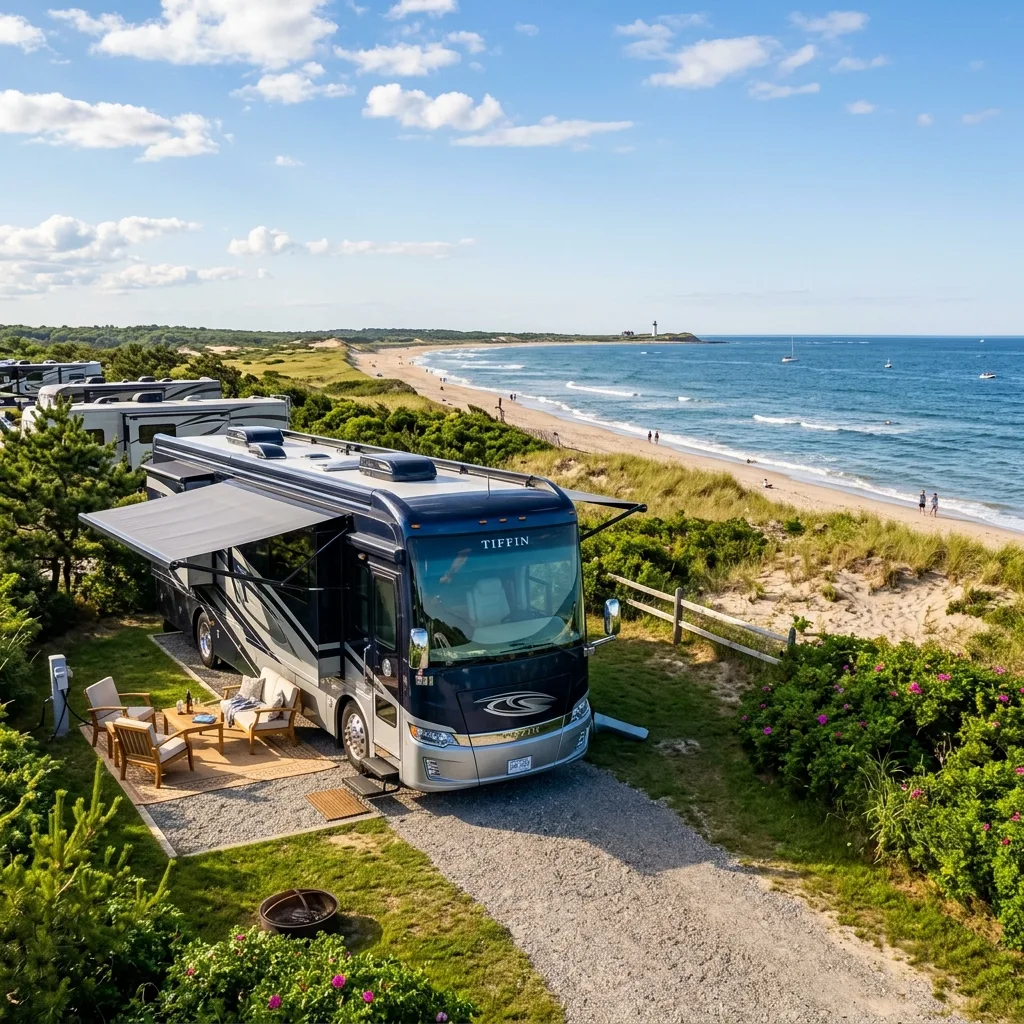
Class A motorhomes built on Prevost, Newmar, or Tiffin chassis routinely list between $400,000 and $1,200,000 MSRP. A Plymouth retiree who buys a $600,000 Newmar King Aire watches $13,500 disappear into Year 1 excise alone. Worse, RVs sit unused for nine months out of twelve in the Northeast climate. You are paying excise on a vehicle covered in shrink wrap in a storage lot in Westport.
Classic and Collector Car Owners
Massachusetts does not have a meaningful exemption for antique vehicles. Cars over 25 years old can be registered with antique plates, but the excise is still calculated on MSRP, and the ten percent floor still applies. A Concord collector with a 1965 Shelby Cobra, a 1972 Porsche 911S, and a 1969 Camaro Z28 is paying floor excise on three cars that essentially do not depreciate at all, on top of garaging insurance and storage.
Cape Cod and Seasonal Residents
The summer-only Mercedes G550 garaged in Osterville, the boat trailer that goes from a driveway in Wellfleet to a marina in Falmouth, the side-by-side UTV used for nothing except puttering around a Chatham property: all of these get assessed at the same rate as a daily-driver Camry in Springfield. Seasonal residents pay year-round excise for three months of seasonal use, every year, until the vehicle leaves the Commonwealth.
Four Massachusetts Case Studies
The following four examples are composites built from real client profiles. Names are illustrative; the dollar figures and vehicle specifications are mathematically accurate based on current Massachusetts excise calculations.
Case Study 1: The Boston Neurosurgeon

Dr. Anand Patel runs a neurosurgery practice affiliated with one of the major Longwood-area hospitals and lives in a townhouse in the Back Bay. In late 2025, he traded an aging M5 for a $280,000 Ferrari Roma and added a $185,000 Porsche Taycan Turbo S as his daily commuter. Both are garaged in his Beacon Hill parking spot, registered to his Boston home address.
His Year 1 numbers, run cleanly:
- Ferrari Roma Year 1 excise: $280,000 × 90% × 2.5% = $6,300
- Porsche Taycan Year 1 excise: $185,000 × 90% × 2.5% = $4,163
- Combined Year 1 excise: $10,463
- Massachusetts 6.25% sales tax on both vehicles at purchase: $29,063
- Combined Year 1 Massachusetts tax burden: $39,526
If Healey’s Municipal Empowerment Act passes and Boston adopts the maximum 7.5 percent rate, his Year 1 excise alone climbs to $31,389. By restructuring both vehicles into Montana LLCs through Zero Tax Tags, Dr. Patel pays no Massachusetts sales tax, no Massachusetts excise, and walks away from $39,500 in Year 1 burden alone. The ZTT cost: $1,724 per vehicle for the over-$150k tier, $3,448 total. Net Year 1 savings: $36,078. By Year 5, with the floor still grinding away on both cars indefinitely, the cumulative savings exceed $60,000.
Case Study 2: The Newton Real Estate Developer
Marcus Reilly runs a residential development firm in Newton Centre. His operating fleet includes three luxury SUVs at $120,000 each — a Mercedes GLS 580, a Range Rover, and a Cadillac Escalade-V — used for site visits, client tours, and family transportation. He also owns a $450,000 Prevost H3-45 motorcoach he and his wife use for fall foliage trips and to follow their son’s college lacrosse schedule.
Marcus’s five-year excise burden alone exceeds $45,500, and that is before the 6.25 percent sales tax on the Prevost ($28,125) and the SUVs ($22,500). Total five-year Massachusetts vehicle tax burden: more than $96,000. Restructuring all four vehicles through Zero Tax Tags eliminates every dollar of it. Year 1 ZTT cost (three SUVs at $899 each, one motorcoach at $1,699): $4,396. Five-year savings: north of $90,000.
Case Study 3: The Cape Cod Retiree Couple
Bob and Linda Halloran retired from their Brookline jobs in 2023 and split time between a primary home in Sandwich and a smaller condo in Wellfleet. Their fleet: a $350,000 Tiffin Allegro Bus they take to RV parks across New England and Florida, a $65,000 Jeep Wrangler Rubicon they tow behind it, and a 28-foot Boston Whaler offshore boat on a tandem-axle trailer.
- Tiffin Allegro Bus Year 1 excise: $350,000 × 90% × 2.5% = $7,875
- Jeep Wrangler Year 1 excise: $65,000 × 90% × 2.5% = $1,463
- Boat trailer excise (separate from boat): assessed annually based on MSRP
- Combined annual excise on motorcoach and Jeep alone: $9,338
- 10-year cost projection (with floor years 5-10): approximately $93,380
The Hallorans use the Allegro Bus an average of 90 days a year and the Wrangler primarily as a tow vehicle. They are paying nearly $10,000 a year in excise on equipment that sits idle for most of nine months. Restructuring through Zero Tax Tags moved both the motorhome and the Jeep into Montana LLCs and converted the boat trailer to Montana permanent registration — a one-time fee with no annual renewal ever. Their ten-year savings: more than $90,000, plus they will never pay another trailer renewal again.
Case Study 4: The Concord Classic Car Collector
Edward Whitman is a retired Boston law-firm partner who has spent the last twenty-five years assembling a collection of six American and European performance cars stored in a climate-controlled barn on his Concord property. The collection includes a 1967 Shelby GT500 (assessed at MSRP-equivalent of $85,000 by the Commonwealth’s lookup tables), a 1969 Camaro Z28, three modern exotics, and a recent McLaren purchase.
Because all six vehicles are over five years old, the entire collection sits at the 10 percent floor — forever. Whitman’s annual excise bill on the six cars combined: roughly $2,800 every year, indefinitely. Over the next twenty years, assuming no rate increases, that is $56,000 in floor excise on cars whose market values fluctuate independently of any tax-assessed figure. If Healey’s bill passes and Concord adopts the new maximum, the floor triples to roughly $8,400 per year — $168,000 over twenty years.
Whitman’s Zero Tax Tags restructuring placed each vehicle into a Montana LLC. Cars over 11 years old qualify for Montana’s permanent registration, which is a one-time fee with zero annual renewal cost. The 1967 Shelby and 1969 Camaro are now permanently registered. The four newer cars use the standard Montana annual renewal at approximately $270 per year per vehicle. Total long-term savings on the collection: well into six figures.
The Montana Solution
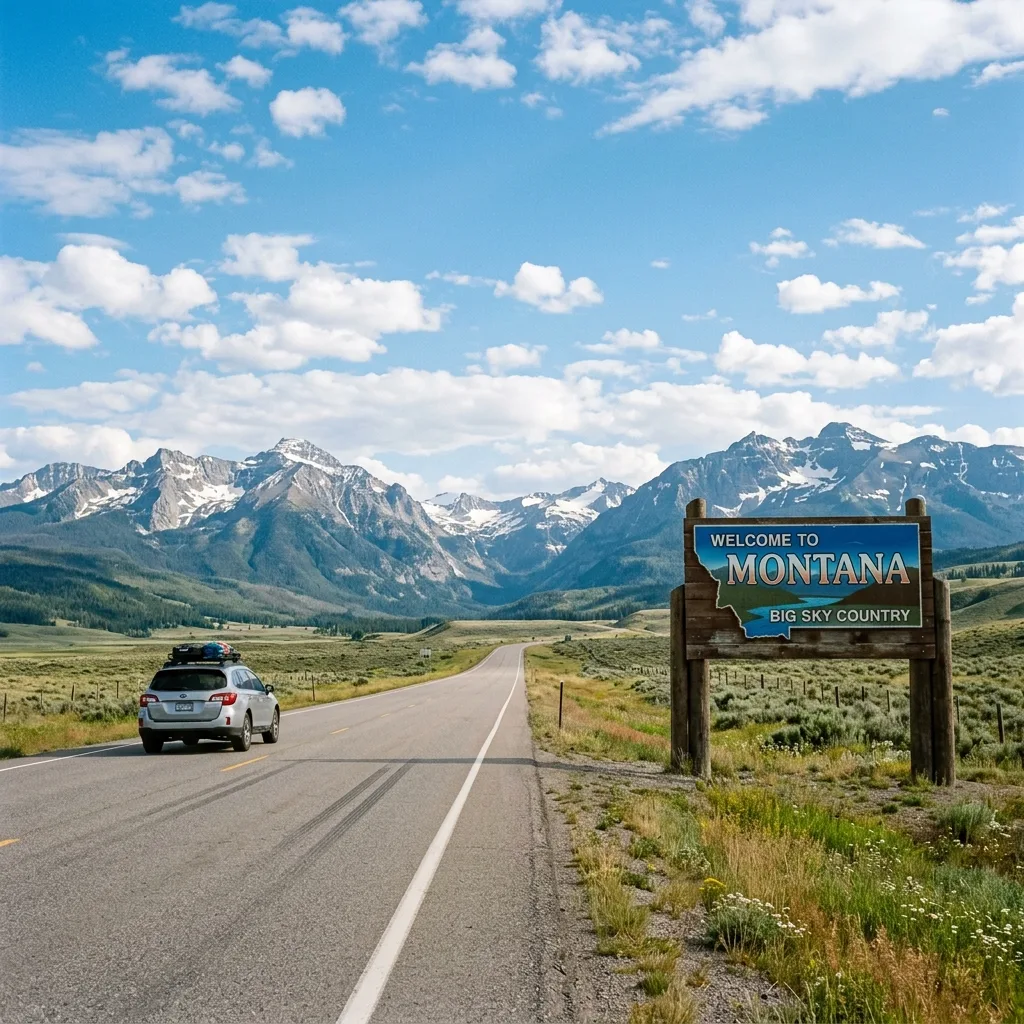
Montana combines four things no other state does: no sales tax on vehicles, no annual property or excise tax, permanent registration for trailers and RVs, and a statute that explicitly lets non-resident LLCs own and register vehicles. None of that is accidental. Montana built this deliberately over decades to attract out-of-state capital and registration revenue.
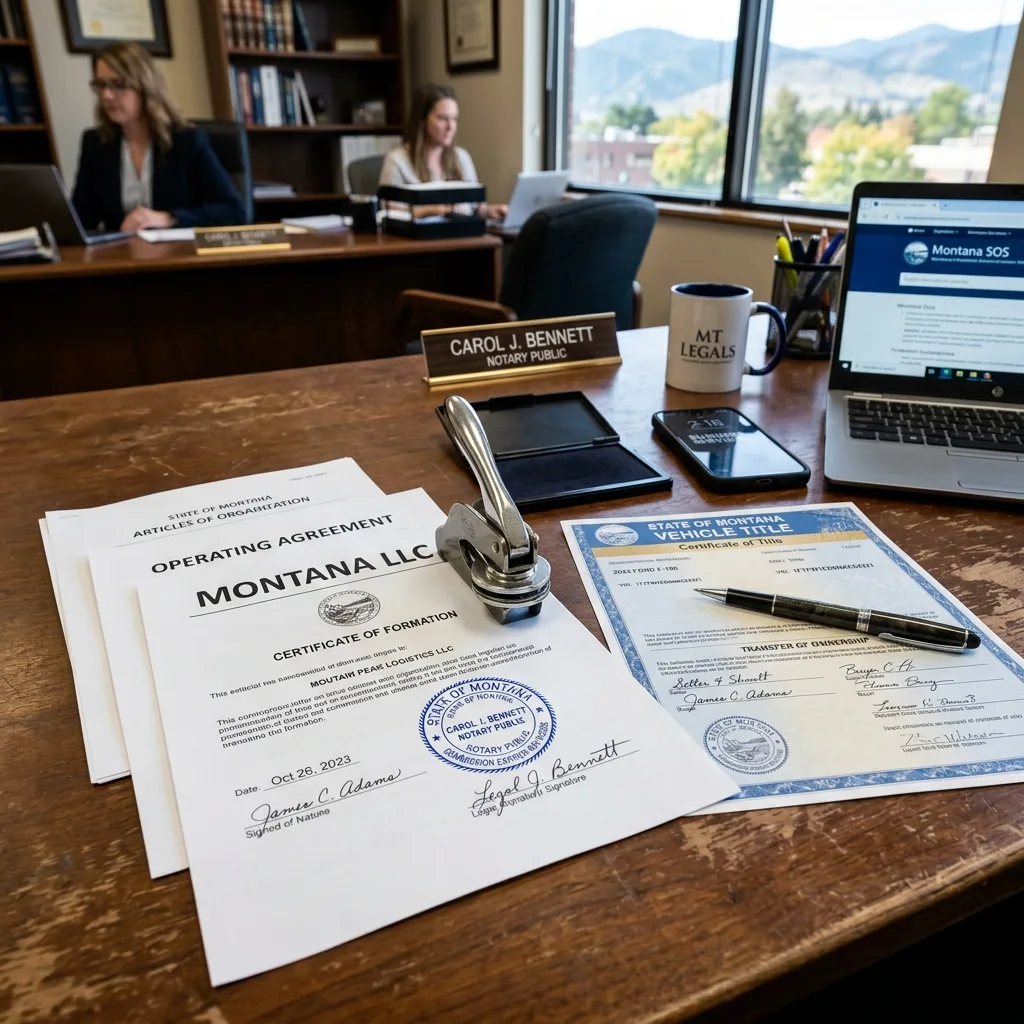
The mechanism is straightforward. A Montana LLC is formed in your name. The LLC, not you personally, becomes the legal owner of the vehicle. The vehicle is titled and registered in Montana through the LLC. Montana issues plates and a title. The vehicle is then driven, garaged, insured, and used wherever you choose. Because the legal owner is a Montana entity, no other state can assess excise tax, sales tax, or use tax on the vehicle.
For Massachusetts owners, that means:
- No Massachusetts excise tax, ever. The town has no jurisdiction over a vehicle owned by a Montana entity.
- No Massachusetts 6.25% sales or use tax. Montana has no equivalent.
- No biennial registration renewal for permanent-registration-eligible vehicles (trailers, motorcycles, ATVs, UTVs, boats, and any vehicle 11+ years old).
- One-time fee structure with predictable, transparent renewal pricing for vehicles that do require annual registration.
The savings are not theoretical. They are arithmetic. Replace the recurring 2.5 percent excise plus the 6.25 percent sales tax with a fixed, capped Montana fee structure, and the cumulative five-year and ten-year savings on luxury and recreational vehicles routinely run into five and six figures.
Is This Actually Legal?
Yes, and we say that without qualification because the legal architecture is settled and well-traveled. A Montana LLC is a legitimate business entity formed under Montana state law. It can own property, including vehicles. Vehicles owned by an LLC are titled and registered to that LLC. Every state in the United States, including Massachusetts, recognizes the legal personhood of out-of-state LLCs and the validity of titles issued to those LLCs.
The Montana LLC vehicle registration model has been used continuously since the 1990s. It is structured around statutory provisions in Montana law that explicitly permit non-resident ownership of Montana entities and Montana-titled vehicles. Hundreds of thousands of vehicles across the country are currently registered under this model, including a substantial portion of the Class A motorcoach market.
The structure is legal because it is real. The LLC is a real Montana entity, the title is a real Montana title, the registration is a real Montana registration. There is no fiction, no shell, no offshore-style maneuvering. It is corporate ownership of personal property — the same legal mechanic that lets a Delaware LLC own a New York apartment building.
What matters is doing it right. The LLC needs to be properly formed, the vehicle titled in the LLC’s name, and the insurance policy written with the LLC as the named insured. That’s what Zero Tax Tags handles.
Who Benefits Most
The Montana LLC structure makes obvious sense for some Massachusetts owners and none for others. It pays when the savings clearly outrun the setup cost. The Massachusetts owners who benefit most include:
- Luxury and exotic car owners with vehicles valued at $80,000 or more, where Year 1 excise alone exceeds $1,800.
- Motorhome and Class A coach owners, where the combination of high MSRP and seasonal use turns excise into a punitive non-use tax.
- Multi-vehicle households with three or more registered vehicles where excise burden compounds across the fleet.
- Classic car collectors stuck at the 10% floor on cars they will never sell, paying excise indefinitely.
- Cape Cod and Berkshires seasonal residents who pay full-year excise for three months of seasonal vehicle use.
- Boat, motorcycle, ATV, UTV, and trailer owners where Montana permanent registration eliminates renewals entirely.
- Pre-purchase buyers who can structure new vehicle acquisition through the Montana LLC from day one and skip the 6.25% sales tax permanently.
Our Process
Zero Tax Tags is a full-service Montana LLC formation and vehicle registration provider. The process takes about ten minutes of your time. Everything else — filings, titles, plates — we handle, and we deliver clean, complete paperwork. Our pricing is straightforward and tiered by vehicle value:
Here’s what’s included:
- Montana LLC formation, including state filing and registered agent service
- EIN issuance from the IRS
- Montana title and registration processing through the Montana Motor Vehicle Division
- License plate issuance and shipping to your Massachusetts address
- Document delivery: certified Articles of Organization, Operating Agreement, Montana title, registration, and plates
- Ongoing registered agent service, annual report filing, and renewal handling for as long as you remain a client
14-Day Timeline
| Day 1: | Submit your MCO and supporting paperwork through our secure portal. We review for completeness and file your Montana LLC the same day. |
| Days 1–2: | Montana LLC formation complete — same business day in most cases, second business day at the latest. |
| Days 2–4: | Title transferred into the LLC name at the Montana county treasurer. |
| Days 4–7: | Permanent Montana plates shipped directly to your door within 3–5 business days of title completion. |
Frequently Asked Questions
Q1: How much will I save in Year 1?
It depends on the vehicle’s MSRP and how many vehicles you restructure. As a rule of thumb, a single $80,000 vehicle saves roughly $1,800 in excise plus $5,000 in sales tax — a Year 1 net savings of around $5,900 after the $899 ZTT fee. A $400,000 motorcoach saves approximately $33,300 in Year 1 alone after fees.
Q2: Can I register a brand-new vehicle this way before I take delivery?
Yes, and this is the optimal approach. We work directly with your dealer or selling broker to title the vehicle to the Montana LLC at the point of sale, which means you skip the 6.25 percent Massachusetts sales tax entirely from day one. New-vehicle clients see the largest dollar savings.
Q3: Does this work for boats, trailers, motorcycles, and UTVs?
Yes — and these are some of the best-fit vehicles for Montana registration because they qualify for permanent registration. You pay a one-time fee and never renew the registration again. No biennial Massachusetts trips to the RMV, no annual excise, no recurring costs.
Q4: Can I keep my Massachusetts driver’s license?
Absolutely. Your driver’s license is unrelated to your vehicle’s registration. Massachusetts residents keep their MA driver’s license; the LLC owns the vehicle separately.
Q5: How does insurance work?
Standard. Most major insurers (Geico, Progressive, USAA, State Farm, Chubb, Travelers, Hagerty for collector vehicles) write policies with the LLC as the named insured and you as the listed driver. We provide the documentation you’ll need to update your existing policy or shop a new one.
Q6: What about classic cars I’ve owned for years?
Existing vehicles transfer easily. We retitle the vehicle from your name into the Montana LLC. For vehicles 11+ years old, we recommend the Montana permanent registration — one fee, no annual renewals, ever. Concord-style collectors with multiple older cars see enormous lifetime savings.
Q7: What does the renewal process look like?
For non-permanent registrations, we handle annual renewals automatically at approximately $270/year. You receive new tags in the mail. No DMV trips, no inspections, no excise bills. Permanent registrations need no renewal at all.
Q8: How do I get started?
Visit zerotaxtags.com or call our team for a free consultation. We’ll review your vehicle list, give you a precise dollar-figure savings estimate, and walk you through the intake form. From signature to plates in your hand: 14 days.
Conclusion: The Math Has Changed
For decades, the Massachusetts excise tax survived because it was annoying but not catastrophic. A few hundred dollars on a Camry. A thousand or two on a luxury car. Most residents grumbled, wrote the check, and forgot about it until the next February. The system worked because the burden was distributed widely and the dollars per household were small enough to ignore.
That equilibrium is now broken in three places. First, vehicle MSRPs have inflated dramatically over the last decade — the average new-vehicle transaction in Massachusetts has crossed $48,000, pulling the median excise bill upward with it. Second, the Healey administration has moved publicly to triple the rate cap, which would convert the excise from an annoyance into a structural tax on luxury and recreational ownership. Third, and most importantly, the alternative is no longer obscure. Montana LLC registration has matured into a mainstream, professionally serviced legal structure used by tens of thousands of American vehicle owners.
The single largest mistake Massachusetts owners make right now is waiting. Every year you remain in the Massachusetts excise system is another year of full-rate excise plus the perpetual ten-percent floor on every vehicle in your driveway. Every new vehicle you buy through a Massachusetts dealer is another 6.25 percent sales tax payment that cannot be recovered. The case for restructuring gets stronger every month, and the cost of acting right now is lower than it will be once any rate change is law.
See how Montana LLC registration helps owners in other high-tax states:
- Arizona VLT Problem: How to Stop Paying $1,000 Every Single Year
- Virginia Car Tax: Stop Paying the Highest Vehicle Tax in America
- North Carolina Vehicle Tax: The Tag Tax Trap and Mandatory Inspection Dragnet
Ready to Stop Overpaying Massachusetts Excise Tax?
Massachusetts vehicle owners have saved millions with Montana LLC registration. You’re next.