
27 min read
On this page
- + West Virginia Vehicle Tax: The NADA Formula Nobody Can Escape
- + The Real Cost of West Virginia Vehicle Tax
- + Why West Virginia Vehicle Tax Hurts More Than You Think
- + Who West Virginia Vehicle Tax Hits Hardest
- + The Montana Solution: Legal Vehicle Tax Elimination
- + Is Montana LLC Vehicle Registration Actually Legal?
- + Four West Virginia Vehicle Owners Who Made the Switch
- + Who Benefits Most from Montana LLC Registration
- + How Zero Tax Tags Gets You Registered
- + Who This Is Built For
- + Frequently Asked Questions
In early 2025, a Facebook post tore through West Virginia like a brushfire on a dry hillside. The claim was simple, beautiful, and completely false. House Bill 2601 had passed, the post said. Effective January 1, 2026, all motor vehicles in West Virginia would be exempt from personal property tax forever. The post racked up over a thousand shares. County assessor offices stopped answering the phone because there were too many calls. People started planning their next vehicle purchase around the supposed exemption. They told their accountants. They told their neighbors. Some of them already mentally spent the savings.
Then Wood County Assessor John Kelly went on record with a four-word press statement that should be carved into the Capitol dome in Charleston: “It is all BS.” HB 2601 had been referred to the House Finance Committee on February 19, 2025, and that is where it quietly died. No vote. No floor debate. No signature. And even if it had passed, the state constitution would have killed it on contact, because eliminating personal property tax in West Virginia requires a statewide constitutional amendment, not a bill.
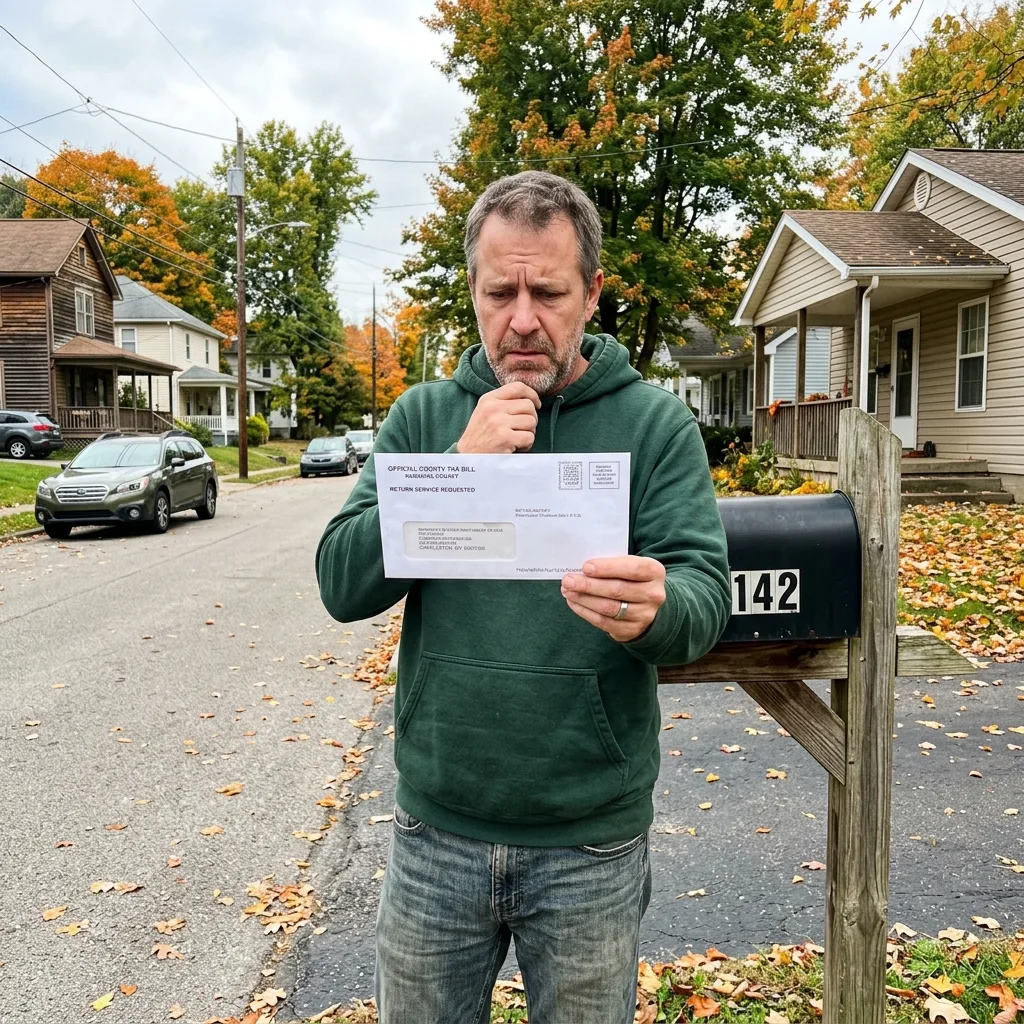
West Virginia vehicle tax is still here. You still owe it. The sheriff still sends the bill. And every spring, you still open that envelope and feel something physical happen in your chest when you see the number. A four-figure annual property tax bill on a depreciating asset you already paid sales tax on. A tax calculated on a book value you have nothing to do with. A tax that bears no relationship to what you would actually get if you sold the vehicle tomorrow.
What if you didn’t have to pay this?
West Virginia Vehicle Tax: The NADA Formula Nobody Can Escape
West Virginia hits your vehicle with two separate taxes, and most people only think about the first one until they get the second one in the mail. You pay 6% sales tax at purchase, and then you pay an annual personal property tax for as long as you own the vehicle. The state classifies vehicles outside municipalities as Class III personal property, which sounds bureaucratic until you see the math.
The formula is mechanical. Three numbers determine your bill. The first is the NADA book value of your vehicle on July 1, the state’s official assessment date. The second is the 60% assessment ratio, which is locked into state law. The third is your county’s levy rate, expressed as dollars per $100 of assessed value. Multiply all three together and you have your annual property tax. There is no negotiation, no appeal based on what you actually paid, no consideration of mileage beyond what NADA’s algorithm already accounts for.
The West Virginia Formula: NADA Trade-In Value × 60% Assessment Ratio × County Levy Rate (per $100) = Annual Property Tax
Example: A $75,000 vehicle in Berkeley County. $75,000 × 0.60 = $45,000 assessed value. $45,000 ÷ 100 × $2.43 = $1,093 per year. Every year. Until you sell it.
The official source is the West Virginia Tax Division, which administers the personal property tax framework that county assessors then apply locally. Your assessment paperwork is due October 1 each year. The bills go out from the county sheriff’s office, typically due the following April. Miss the deadline and interest and penalties stack on top of an already painful number.
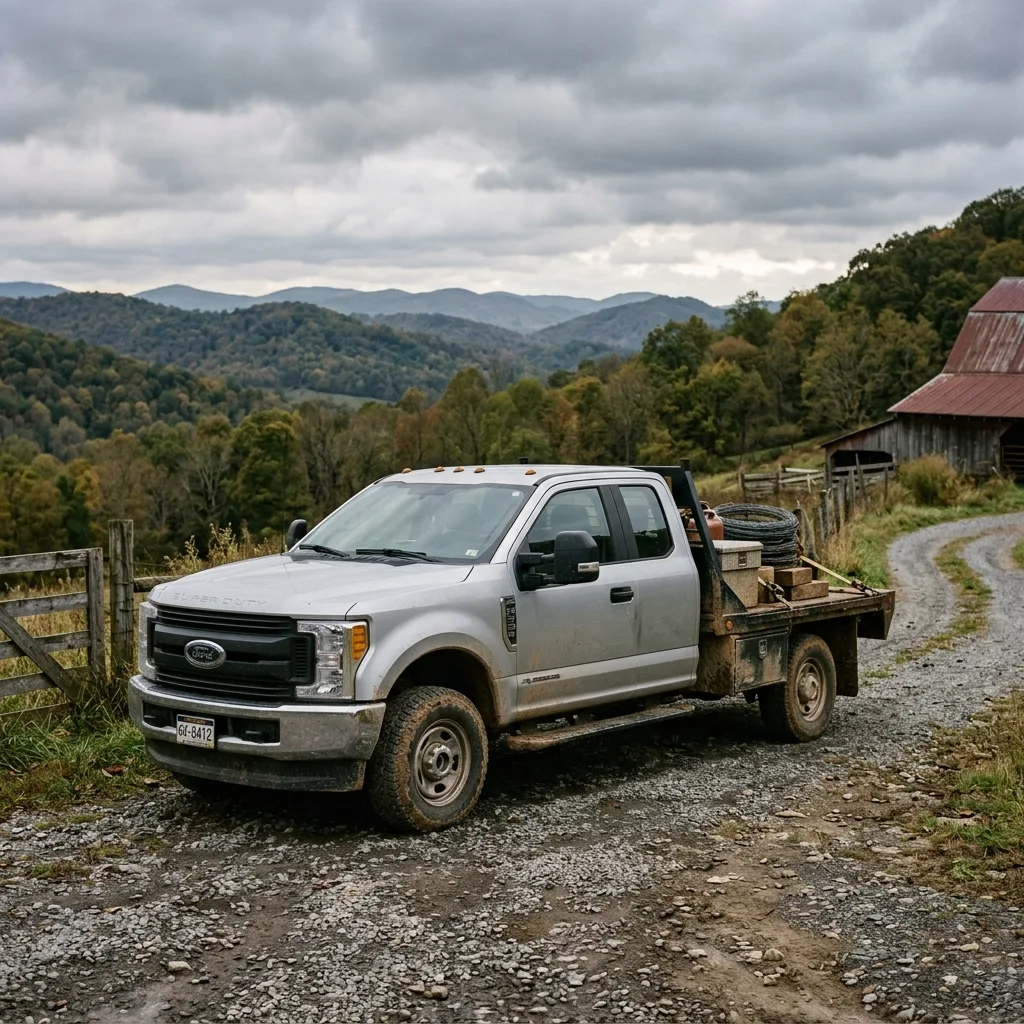
The NADA piece is where the structure becomes genuinely unfair. NADA is the National Automobile Dealers Association valuation service, and its book values are tuned for dealers and lenders, not for taxpayers. NADA holds vehicles at artificially high values because high values help dealers and finance companies. That same high value is what your county uses to bill you. A seven-year-old Ford F-350 with 130,000 miles on the odometer still pays tax on whatever NADA’s algorithm says a generic seven-year-old F-350 is worth. The fact that nobody in their right mind would pay that number for your specific truck is irrelevant to the assessor.
And the political angle is grim. HB 2601 wasn’t the first attempt to fix this. It won’t be the last. SB 150 in the 2026 session proposed a narrower exemption for vehicles 25 years and older. As of May 2026, it has not passed. Even if a bill cleared both chambers and reached the governor’s desk, the constitutional barrier still stands. Personal property tax is baked into the West Virginia Constitution. Pulling it out requires a statewide ballot question in a November general election, with majority approval. That has never happened. There is no realistic timeline for it to happen. Anyone telling you otherwise is selling you the same Facebook post that died in committee.
The Real Cost of West Virginia Vehicle Tax
The cost of this tax depends heavily on which county you live in, and the spread is wider than most West Virginia residents realize. Berkeley County in the Eastern Panhandle levies $2.43 per $100 of assessed value on Class III property outside municipalities. Inside Martinsburg city limits, that rate climbs into the $2.67 to $3.12 range depending on which municipal levy applies. Kanawha County, home to Charleston, holds the unfortunate title of the highest rate county in the state, running approximately $2.80 to $3.00 per $100 assessed. Cabell County around Huntington sits around $2.50. Wood County near Parkersburg runs $2.40. Monongalia County around Morgantown is one of the friendlier major-population counties at roughly $2.20. Rural counties like Calhoun can dip as low as $1.60. But before you celebrate a low rural rate, remember that 60% of NADA’s book value is still the base, and 1.60% of that base on a $75,000 truck is still real money every year.
Below is what five common vehicle profiles cost over five years in West Virginia’s highest-rate county, a mid-rate county, and one of the lower-rate major counties, compared to Montana LLC registration. The state numbers include the 6% sales tax at purchase plus five years of personal property tax based on NADA depreciation curves. The Montana column reflects flat fees only, no sales tax, no property tax.
The brutal arithmetic: If you live in Charleston and own a Class A motorhome, the State of West Virginia takes more from you over five years than the price of a brand-new Toyota Camry. You will pay roughly $25,800 to keep a vehicle that depreciates while you own it. Montana would charge you about $3,171 for the same five years. That gap is not theoretical. It is dollars leaving your bank account on a schedule.
Why West Virginia Vehicle Tax Hurts More Than You Think
Most people understand they have to pay vehicle tax. What they don’t understand is the four specific design choices that make West Virginia’s version particularly punishing. Each one functions independently. Stack them together on a luxury vehicle in a high-rate county and the result is the kind of bill that gets posted to local subreddits with the caption “is this real?”
NADA is not your problem, it is West Virginia’s problem. The National Automobile Dealers Association produces book values that are optimized for selling cars, not for taxing them. NADA holds values high because high values help dealers move inventory and help lenders extend bigger loans. Your county assessor takes that artificially inflated number and uses it as the foundation of your tax bill. A 2017 Ford F-350 diesel with 130,000 miles is worth maybe $25,000 to $32,000 in the real world depending on condition, history, and how much oil it leaks. NADA’s algorithm doesn’t care about any of that. It produces a number, and that number times 60% times your county levy is what you owe. You can write a letter. You can submit photos of the rust. You will still pay tax on the NADA number.
The EV triple stack is a feature, not a bug. Buy an electric vehicle in West Virginia and you pay three separate taxes on it. First, 6% sales tax at purchase, no different from gasoline vehicles. Second, the same annual personal property tax based on NADA value times 60% times the county rate. Third, a $200 per year battery electric vehicle surcharge added directly to your registration. The state’s argument is that the surcharge replaces gasoline tax revenue. The reality is that the surcharge is added on top of every existing vehicle tax, not in place of any of them. You bought the car partly to save money on fuel. The state restructured its taxes to capture that savings before you ever pulled out of the driveway.
The private-party penalty rewards dealers and punishes flexibility. Buy a $35,000 truck from a dealer with a $15,000 trade-in and you pay 6% sales tax on the $20,000 net price, or $1,200. Buy that exact same truck for $35,000 from your neighbor in a private transaction with no trade-in offset and you pay 6% on the full $35,000, or $2,100. Same truck. Same money out of pocket. Different tax bill, just because of where the transaction happened. There is no consumer-protection logic to this. It is purely a revenue mechanism that favors dealer transactions and punishes private commerce.
The false hope cycle keeps the tax alive. HB 2601 died in February 2025. SB 150 in the 2026 session tried a narrower exemption for vintage vehicles 25 years and older. It has not passed. Even if a bill clears both chambers, the West Virginia Constitution requires a statewide voter referendum to actually eliminate personal property tax. That referendum has never been put on the ballot. Every two years, a legislator floats a vehicle-tax-exemption bill, the local news writes a hopeful headline, and the bill dies before crossbody. Meanwhile you keep paying. The structure is entrenched. Waiting for a legislative fix is not a strategy.
Who West Virginia Vehicle Tax Hits Hardest
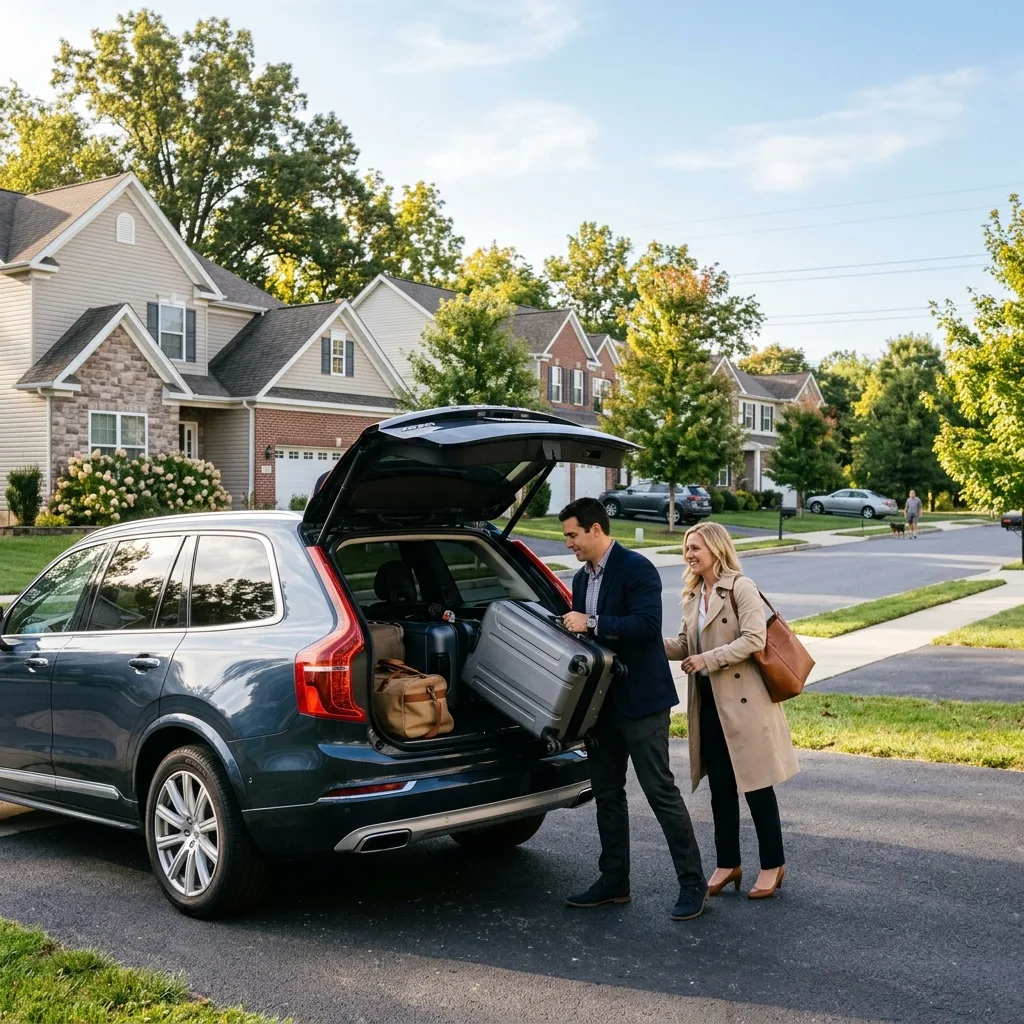
The tax falls on everyone who owns a registered vehicle, but it does not fall evenly. Some West Virginia residents end up writing checks that would horrify a Florida or Texas driver, while others pay a comparatively modest sum and never think about it. Knowing which group you are in matters, because the savings from a Montana LLC scale directly with how badly the current system is hitting you.
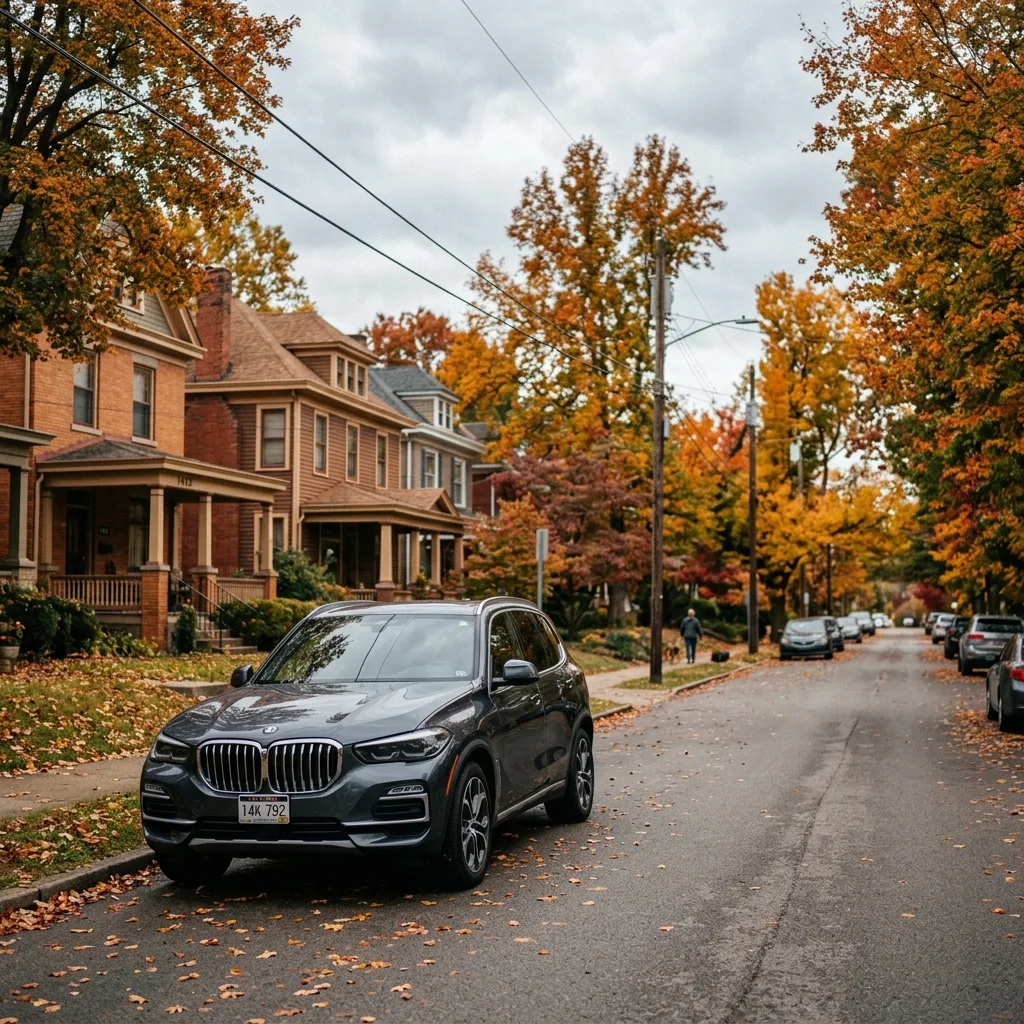
Kanawha County residents in Charleston sit at the worst intersection of two factors. The county runs the highest levy rate in the state, somewhere in the $2.80 to $3.00 per $100 range for Class III property. Charleston is also where a disproportionate share of the state’s high-income professionals live, which means a disproportionate share of luxury SUVs, German sedans, and trail-ready off-roaders. A cardiologist at CAMC driving a new BMW X5 is paying north of $1,300 a year in personal property tax alone, on top of the $4,500 sales tax already collected at purchase. Five years in, the cumulative bill is closing on $9,000 just for one vehicle.
Eastern Panhandle commuters in Berkeley and Jefferson counties have a particular flavor of grievance. They work in DC, Maryland, or Northern Virginia. They make DC-market salaries. They drive premium vehicles because the commute is long and the road is awful. They live in West Virginia because the housing is cheaper. The trade they made was supposed to be lower cost of living for longer drive time. The personal property tax bill on their vehicles steals back part of that trade quietly every year, and most of them don’t realize how much until they add up five years of receipts.
EV buyers everywhere in the state catch the worst of all three taxes simultaneously. You bought a Model Y or a Lightning or an Ioniq specifically because the math on fuel costs made sense. Then West Virginia layered a $200 BEV surcharge on top of an annual property tax on top of the 6% sales tax you already paid. The mathematical logic of EV ownership in West Virginia gets eaten by tax structure before it ever has a chance to compound.
RV owners face the most extreme version of the trap. A Class A motorhome is assessed identically to a passenger vehicle, with no special exemption or reduced rate. A $200,000 Tiffin or Newmar or Thor Palazzo Class A becomes $120,000 of assessed value, which at Berkeley County’s $2.43/$100 produces a $2,916 annual property tax bill. Add the $12,000 sales tax you paid the day you bought it. Now imagine that your RV is the centerpiece of your retirement and you spend eight months of the year somewhere other than West Virginia. You are paying the state thousands of dollars annually to store paperwork on a vehicle that’s parked in Florida from October to May.
Contractors with diesel fleets accumulate the damage differently. The pain isn’t one massive bill, it’s a dozen modest ones that add up to a full-time tax problem. A residential HVAC outfit running three or four work trucks, all in the $50,000 to $75,000 range, is writing five-figure annual checks just for the privilege of having those trucks registered. None of those trucks are appreciating. All of them are tools that generate revenue. The state taxes them like they are luxury assets sitting in a heated garage.
Vehicle collectors lose the most relative to the value of what they own. Each car in a collection is taxed independently at NADA value. A garage full of six interesting cars worth $35,000 each on paper produces six separate personal property tax bills every year, forever, without diminishing as the cars age, because NADA classic-vehicle valuations actually rise over time. The collector who buys cars to drive them and enjoy them ends up with a portfolio of recurring tax obligations attached to objects that mostly sit and look pretty.
The Montana Solution: Legal Vehicle Tax Elimination
Montana never adopted a personal property tax on vehicles. Montana also has no statewide sales tax. The combination is not an oversight, it’s a deliberate design that has been in place for generations, and the state encourages out-of-state residents to take advantage of it through Montana LLC ownership of vehicles. You form a Montana limited liability company. That LLC owns your vehicle. Montana issues plates to the LLC because the LLC is a Montana entity. The vehicle is properly titled, properly registered, fully insured, and pays Montana fees instead of West Virginia property tax.
What Montana charges instead: A flat age-based annual registration fee. Vehicles under five years old pay $368 per year all-in through Zero Tax Tags. Vehicles five to ten years old drop to $237 per year. Vehicles eleven years and older qualify for Montana’s permanent plate program at $899 one-time and $0 per year for the rest of the vehicle’s life. No NADA assessments. No sales tax. No personal property tax. Ever.
The year-by-year picture for a typical luxury SUV makes the gap stark. Below is what a BMW X5 with a $75,000 starting NADA value costs a Berkeley County resident versus a Montana LLC owner across a full decade of ownership. The West Virginia column includes the initial 6% sales tax and the annual personal property tax based on NADA’s depreciation curve. The Montana column reflects flat registration fees only.
Notice what happens after year ten. The Montana number drops to zero forever, because the vehicle qualifies for permanent registration. The West Virginia number never drops to zero. It keeps grinding away every year you own the vehicle, because the state taxes ownership itself, not transactions. A Montana plate at year fifteen costs you exactly the same as a Montana plate at year eleven: nothing. A West Virginia plate at year fifteen still produces a tax bill, even on a car the assessor would not personally buy at any price.
Is Montana LLC Vehicle Registration Actually Legal?
Yes. This is not a gray area, despite what your cousin’s brother-in-law told you at a barbecue. Limited liability companies are legal entities recognized in all fifty states. A Montana LLC is a Montana legal entity, and Montana extends the same vehicle registration rights to LLCs as it does to individual residents. When a Montana LLC owns a vehicle, the vehicle is registered in Montana. That registration is valid nationwide because vehicle registration is a state-level activity covered by the Full Faith and Credit Clause of the U.S. Constitution. Your Montana plates are as valid in Charleston as they are in Bozeman.
The most cited case law on this question is Thomas v. Bridges, a Louisiana Supreme Court ruling that addressed whether a state could collect use tax from an out-of-state LLC that owned a vehicle physically located inside the state. The court ruled that the LLC, as a separate legal entity, was the actual owner of the vehicle and was responsible for its tax treatment. The case is frequently cited in support of properly structured Montana LLC ownership, because it establishes that the LLC itself, not its members, is the legal owner for tax purposes.
Structure matters. The legal protection depends on doing this correctly. The LLC must be properly formed in Montana with a Montana registered agent, the vehicle must be titled to the LLC and not to you personally, insurance must list the LLC as the named insured, and you should be able to articulate a legitimate business or asset-protection purpose for the structure. People get into trouble when they cut corners, use a friend’s address as the registered agent, or insure the vehicle under their personal policy as if they own it directly.
The states that have pursued Montana LLC owners aggressively, mostly California and Massachusetts, have done so against people who structured the arrangement incorrectly. Done right, with a real Montana LLC, real Montana titling, real LLC-named insurance, and clean documentation, the structure has held up consistently. Done sloppily, it falls apart. Zero Tax Tags handles every piece of the structure professionally, which is why our clients sleep well.
Four West Virginia Vehicle Owners Who Made the Switch
The math gets abstract until you see what it means for real people writing real checks. These are composite profiles based on typical Zero Tax Tags clients across West Virginia.

Dr. Angela, Charleston (Kanawha County). Angela is a cardiologist at CAMC with a long-running habit of buying a new German SUV every four to five years. Her latest purchase was a 2024 BMW X5 with a $75,000 sticker price. Year one in Kanawha County, with the state’s highest levy rate, hit her for $4,500 in sales tax and approximately $1,305 in personal property tax. That’s $5,805 in one year just to take delivery and keep the plates current. Over five years, her West Virginia cost was projected at roughly $9,000. Through Zero Tax Tags, her five-year Montana cost is $2,371. She kept the BMW. She moved the registration. Her annual savings now cover most of her continuing medical education budget. Her exact words, paraphrased: “NADA’s book value has no relationship to what my car is actually worth. Why am I paying tax on a number nobody would actually pay?”
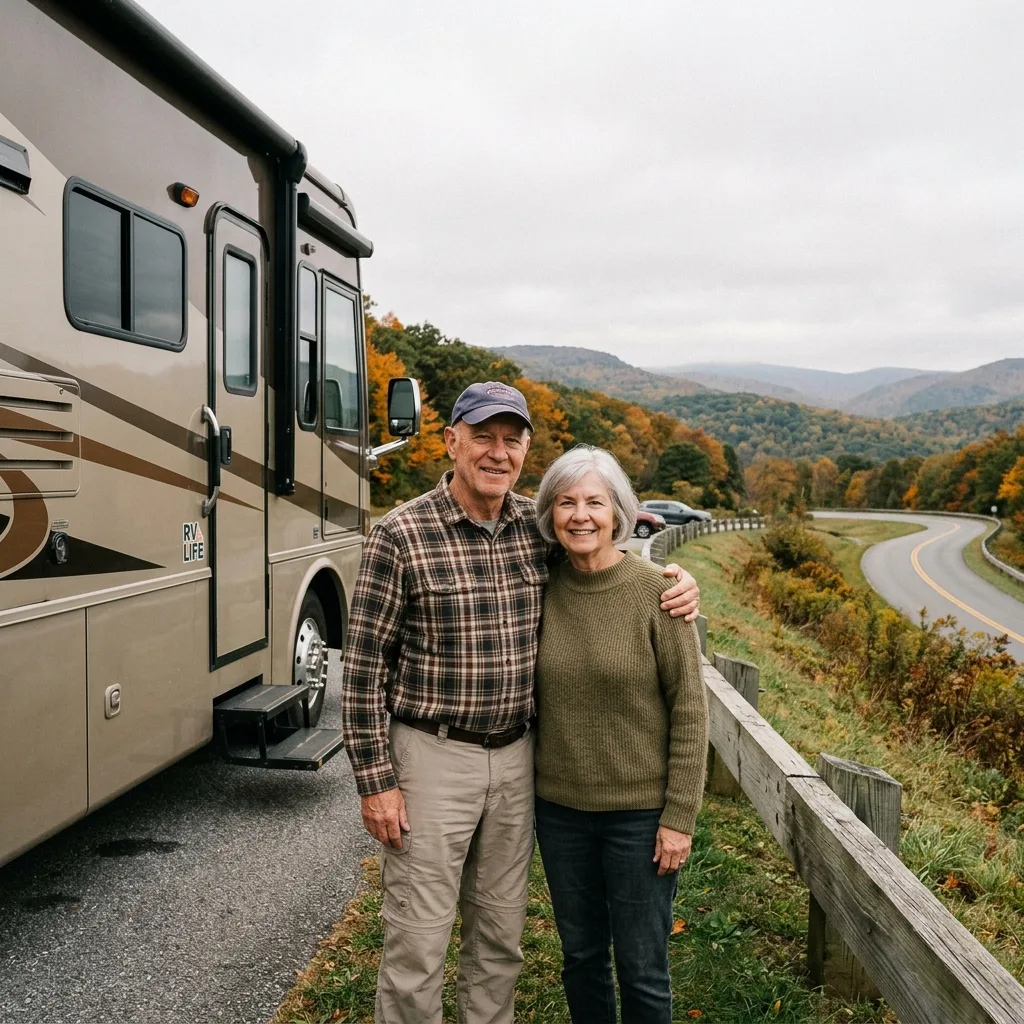
Dave and Carol, Martinsburg (Berkeley County). Dave retired from federal service and Carol retired from teaching. They bought a Thor Palazzo Class A motorhome with a $200,000 MSRP because they planned to spend their retirement on the road. Berkeley County’s $2.43 per $100 rate produced a year-one bill of $12,000 in sales tax and $2,916 in personal property tax: $14,916 the first year, before they ever left the driveway. They were already planning to spend roughly four months a year in West Virginia and the rest of the year between Florida, Arizona, and Oregon. The five-year West Virginia projection topped $22,000. The five-year Montana cost is $3,171. They moved the registration, took delivery of Montana plates, and started their first long trip the same week. Carol’s reaction to year one: “We spent more on tax than on our entire first trip to Florida. We’re not doing that twice.”
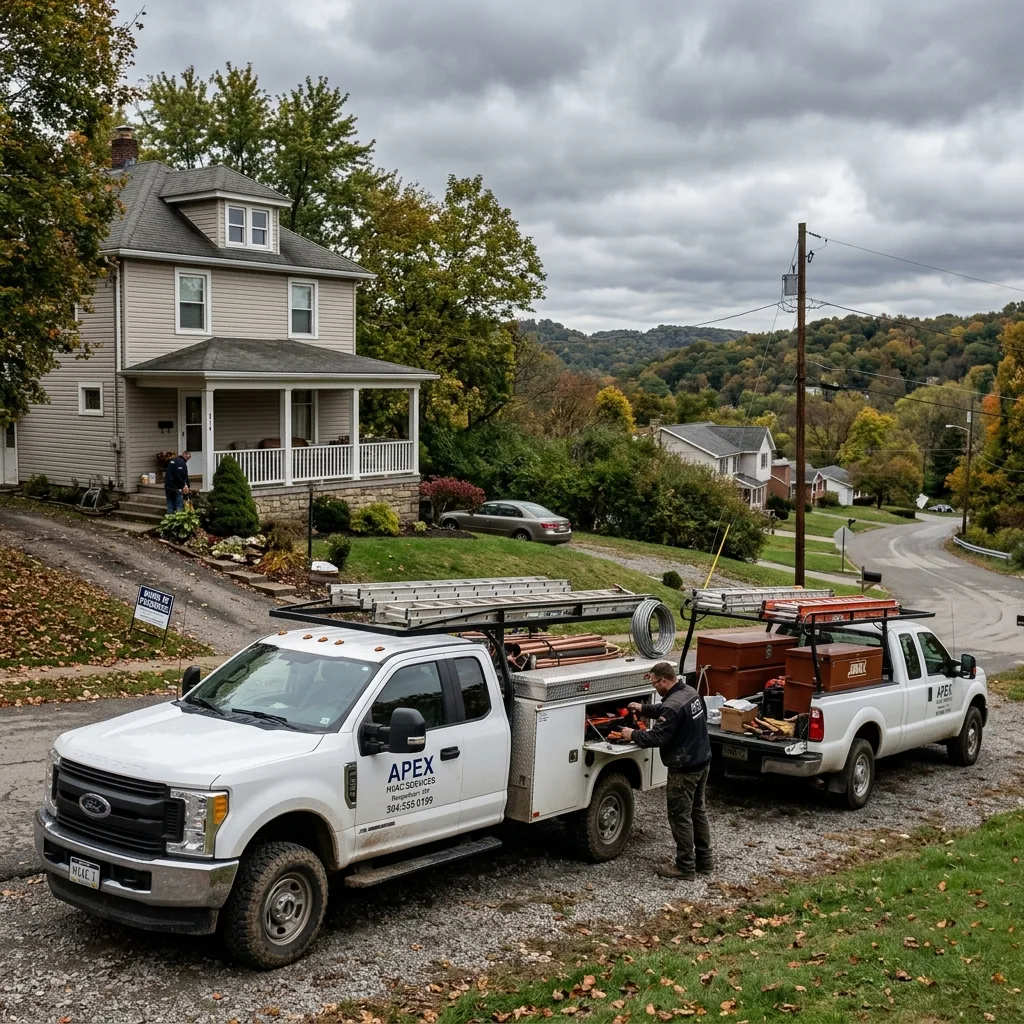
Randy, Morgantown (Monongalia County). Randy owns a residential HVAC company and runs two work trucks: a 2024 F-350 at $72,000 and a 2022 F-250 at $55,000. Monongalia is one of the lower-rate major counties at roughly $2.20 per $100, but two trucks is still two property tax bills. The F-350 produced a year-one bill of $4,320 in sales tax plus $950 in property tax. The F-250’s annual property tax sits around $726. Combined annual property tax across both trucks runs over $1,676 every year, indefinitely. Randy put both trucks on a single Montana LLC, paying the $200 LLC formation fee one time and adding the second vehicle to the same entity for just the service fee. His five-year savings on the F-350 alone work out to about $5,500. He thinks of it differently now: “My competitors across the river in Tennessee don’t pay any of this. I was the only one absorbing the cost. Not anymore.”
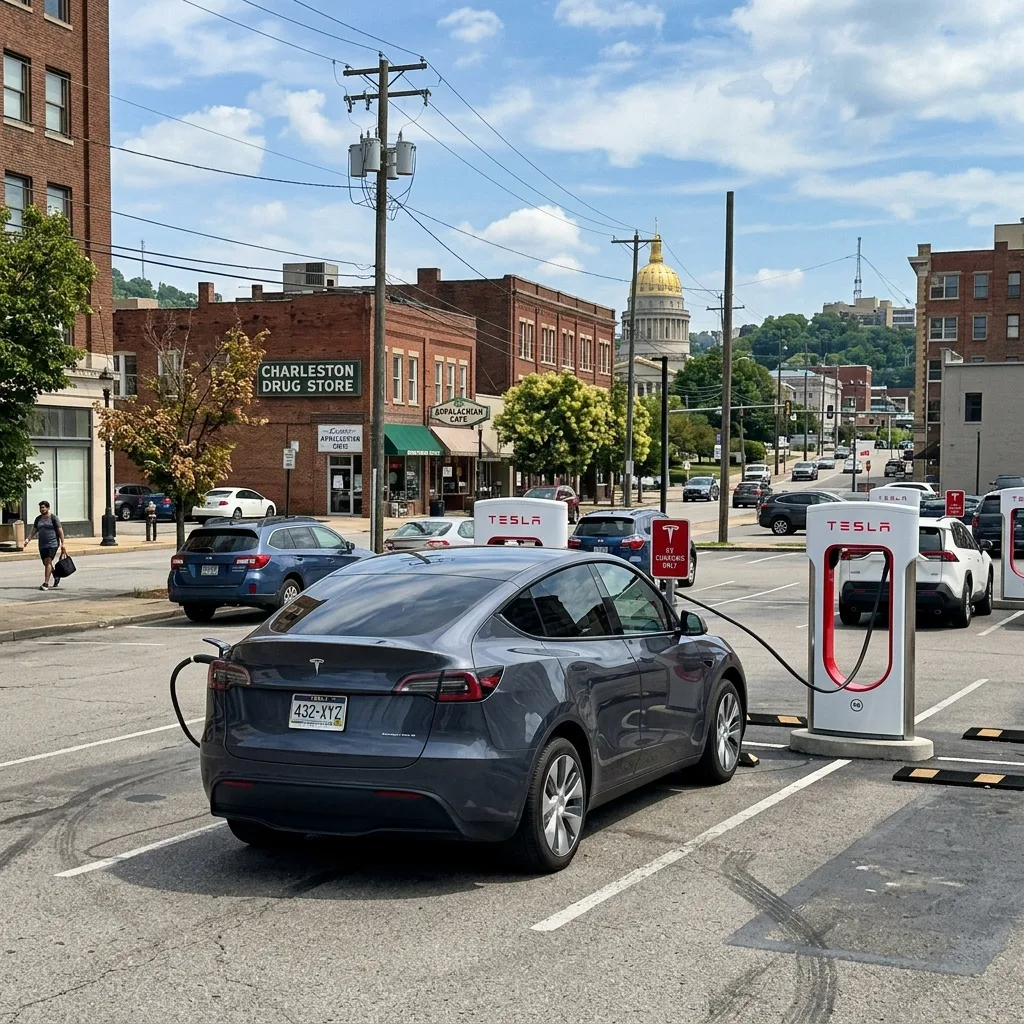
Jessica, Charleston (Kanawha County). Jessica is a remote software developer who bought a 2024 Tesla Model Y at $52,000, partly to cut her fuel costs and partly because she believed it was the right call environmentally. Kanawha County combined three taxes on the purchase. Year one: $3,120 sales tax, approximately $905 personal property tax, plus the $200 annual BEV registration surcharge. That’s $4,225 in tax in year one on a vehicle she bought partly to save money. Five-year West Virginia total: roughly $7,500, with the BEV surcharge stacking $1,000 of pure penalty over the period. Through Zero Tax Tags her five-year Montana cost is $2,891. Montana does charge a $130 annual BEV registration fee, which we disclose openly, but that’s still $70 per year less than just the West Virginia surcharge, before you even count the property tax. Jessica’s reaction: “I bought an EV to save money on fuel. The state restructured its taxes to capture the savings before I ever drove it.”
Who Benefits Most from Montana LLC Registration
Some West Virginia residents save modestly. Others save tens of thousands of dollars across the lifecycle of a single vehicle. The savings scale directly with vehicle value, county levy rate, and how long you plan to own the vehicle. The profiles below see the strongest financial outcome.
- Charleston and Kanawha County residents who own vehicles valued at $40,000 or higher. The county’s status as the highest-rate jurisdiction in the state means every dollar of NADA value carries more tax weight than anywhere else in West Virginia.
- Eastern Panhandle commuters in Berkeley and Jefferson counties driving premium vehicles bought with DC-area salaries. The Montana structure recovers part of the bargain you made when you chose to live in West Virginia.
- RV and motorhome owners of any Class A, Class B, or Class C coach. The math on a $150,000+ RV is brutal in West Virginia and beautiful in Montana, with the gap widening every year you own the vehicle.
- EV owners statewide facing the triple stack of sales tax, property tax, and the $200 BEV surcharge. Montana’s $130 annual BEV fee is the only tax you pay, and there is no property tax on top of it.
- Contractors and small business owners running multiple work trucks. The first vehicle on the LLC pays the $200 formation fee. Every additional vehicle is just the service fee, which makes the per-vehicle economics dramatically better as the fleet grows.
- Vehicle collectors with multiple cars, especially anyone holding classics or appreciating vehicles where NADA values trend upward over time rather than depreciating.
- Snowbirds and part-year residents who spend significant time outside West Virginia. If you’re paying full-year property tax on a vehicle you use four months a year in-state, the structure makes obvious sense.
- Buyers planning to own a vehicle longer than three years. The Montana savings compound. The longer you own the vehicle, the better the math, especially once you cross the eleven-year permanent plate threshold.
How Zero Tax Tags Gets You Registered
We handle everything. You don’t visit Montana. You don’t deal with the county treasurer’s office. You don’t try to figure out which form goes where. We form the LLC, we title the vehicle into the LLC, we register it, and we ship the permanent plates directly to your address in West Virginia. The whole process takes about a week from when you submit your paperwork to when the plates arrive.
| Day 1: | Submit your paperwork through our secure portal. We review for completeness and file your Montana LLC the same day. |
| Days 1-2: | Montana LLC formation complete, same business day in most cases, second business day at the latest. |
| Days 2-4: | Title transferred into the LLC name at the Montana county treasurer. |
| Days 4-7: | Permanent Montana plates shipped directly to your door within 3-5 business days of title completion. |

Who This Is Built For
This service is built for West Virginia vehicle owners who do the math and realize the current arrangement isn’t working for them. If you drive a $40,000+ vehicle, especially in Kanawha, Berkeley, Cabell, or Wood county, you are almost certainly losing more to the personal property tax than the cost of the Montana structure. If you own multiple vehicles, the per-vehicle economics get dramatically better as you add cars to the same LLC. If you own an RV, a luxury SUV, a diesel work truck, or an EV, the savings start being measurable in the thousands per year.
This is also built for people who plan ahead. If you’re shopping for a new vehicle right now, the smartest move is to talk to us before you take delivery, so we can structure the purchase through the LLC from day one and avoid the West Virginia sales tax entirely. If you already own the vehicle and it’s already registered in West Virginia, we can still move it into the LLC, but the math is even better when we start fresh on a new purchase.
If your vehicle is under $20,000 in value and you live in one of the low-rate rural counties, the math might be tighter. Call us anyway. We will calculate your specific savings for free, with no obligation, and tell you honestly whether the structure makes financial sense for your situation.
If you’re buying a vehicle worth $25,000 or more in West Virginia, the math almost always works in your favor. Call us before you register.
Frequently Asked Questions
Will West Virginia flag my Montana plates?
West Virginia is not one of the states aggressively pursuing Montana LLC vehicle owners. There is no statewide enforcement program. The structure, when done correctly through a proper Montana LLC with proper titling and LLC-named insurance, holds up under scrutiny because it is a legitimate Montana registration on a Montana-owned vehicle. We have West Virginia clients across all 55 counties who have run Montana plates for years without issue.
Do I need to visit Montana?
No. Zero Tax Tags handles every step on your behalf. We form the LLC at our Montana office, transfer the title at the county treasurer, complete the registration, and ship the plates to your West Virginia address. Most clients never set foot in Montana, though we recommend visiting at least once because it’s a beautiful state.
What happens when I sell?
The LLC sells the vehicle the same way you would individually. Title transfers from the LLC to the buyer through standard Montana title-transfer paperwork. The buyer registers in their state and pays whatever taxes apply in their state. The LLC can remain in place for your next vehicle, or you can dissolve it if you’re done. The Montana plates do not transfer with the vehicle.
Can I insure a Montana-plated vehicle in West Virginia?
Yes. The insurance is written with the LLC as the named insured and you as the listed driver. Most major carriers handle this routinely: Progressive, GEICO, State Farm, USAA, Allstate. Some agents are more familiar with the structure than others. We provide guidance on how to set up the policy correctly so coverage attaches properly to the LLC-owned vehicle.
Does this work for leased vehicles?
No, leased vehicles cannot be retitled into a Montana LLC because the leasing company owns the title and dictates the registration state. If you’re at the end of a lease and considering a buyout, that’s the moment to call us, because the buyout transaction is your opportunity to title the vehicle into the LLC and skip the West Virginia sales tax on the purchase.
How much does Zero Tax Tags charge?
Year one is $899 for vehicles under $150,000 MSRP, which includes the $699 service fee and the $200 one-time Montana LLC formation cost. Annual renewals are $368 per year for vehicles under five years old and $237 per year for vehicles five to ten years old. Vehicles eleven years and older qualify for Montana’s permanent plate program at $899 one-time with no annual fee thereafter. Luxury vehicles over $150,000 MSRP have a higher one-time fee. Additional vehicles on the same LLC are $699 service each because the $200 LLC fee is already paid.
Can I register multiple vehicles?
Yes, and the economics improve every vehicle you add. Your first vehicle includes the $200 Montana LLC formation fee. Each additional vehicle on that same LLC is only the $699 service fee, because the LLC is already formed. A two-truck contractor or a household with three drivers can consolidate everything under one LLC and save the formation fee on every subsequent vehicle.
What if West Virginia eliminates the property tax?
HB 2601 died in committee in February 2025. SB 150 in the 2026 session has not passed. Eliminating personal property tax in West Virginia requires a statewide constitutional amendment voted on in a November general election, which has never been put on the ballot. Realistically, this tax is not going away in any near-term timeframe. But if it ever does, the Montana structure is fully reversible. You can dissolve the LLC, title the vehicle back into your name personally, and register it in West Virginia at any time. In the meantime, why wait for a legislative miracle when you can keep your money now?
See how Montana LLC helps owners in other high-tax states:
- Virginia Car Tax: Stop Paying the Highest Vehicle Tax in America
- Mississippi Vehicle Tax: The Black Box at the County Window
- Kentucky Vehicle Tax: The Double Dip Nobody Warned You About
- North Carolina Vehicle Tax: The Tag Tax Trap
Ready to Stop Overpaying West Virginia Vehicle Tax?
West Virginia vehicle owners have saved millions with Montana LLC registration. You’re next.