29 min read
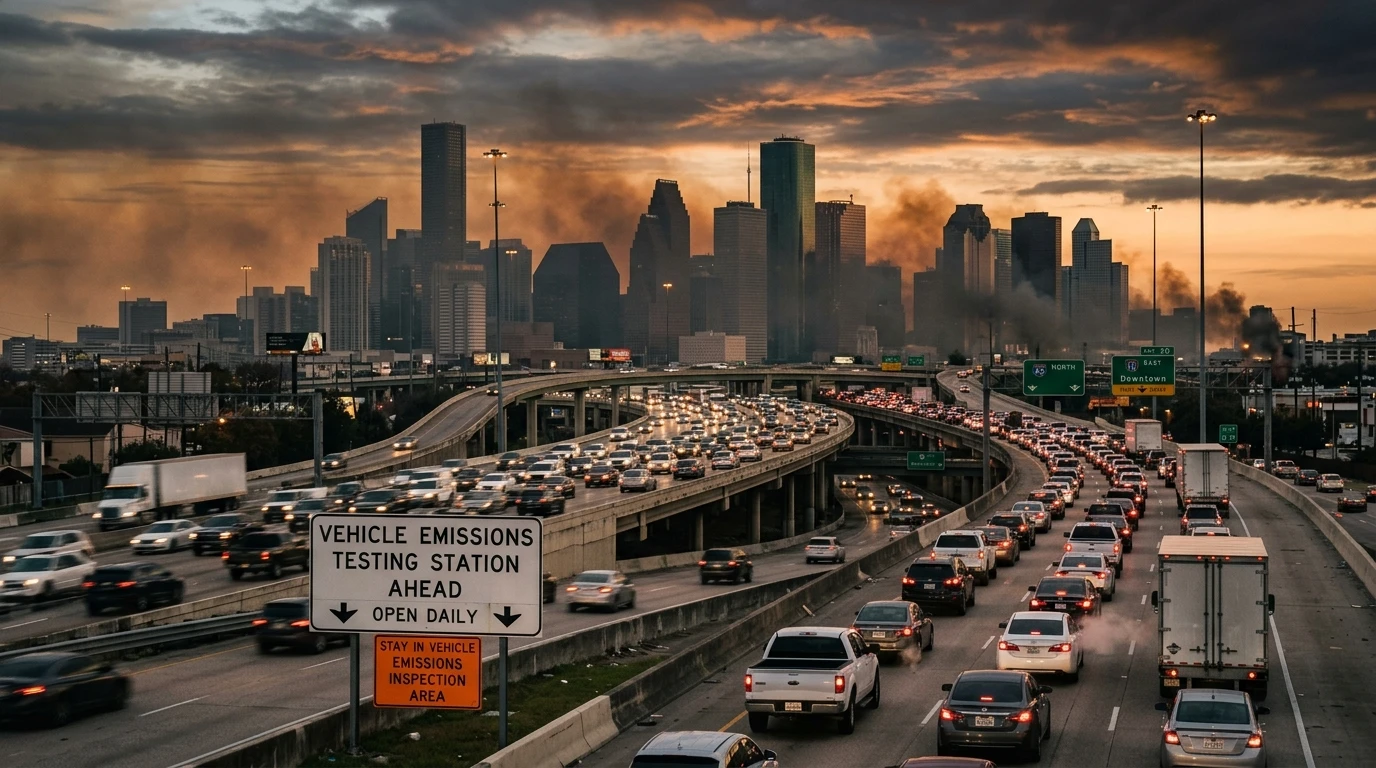
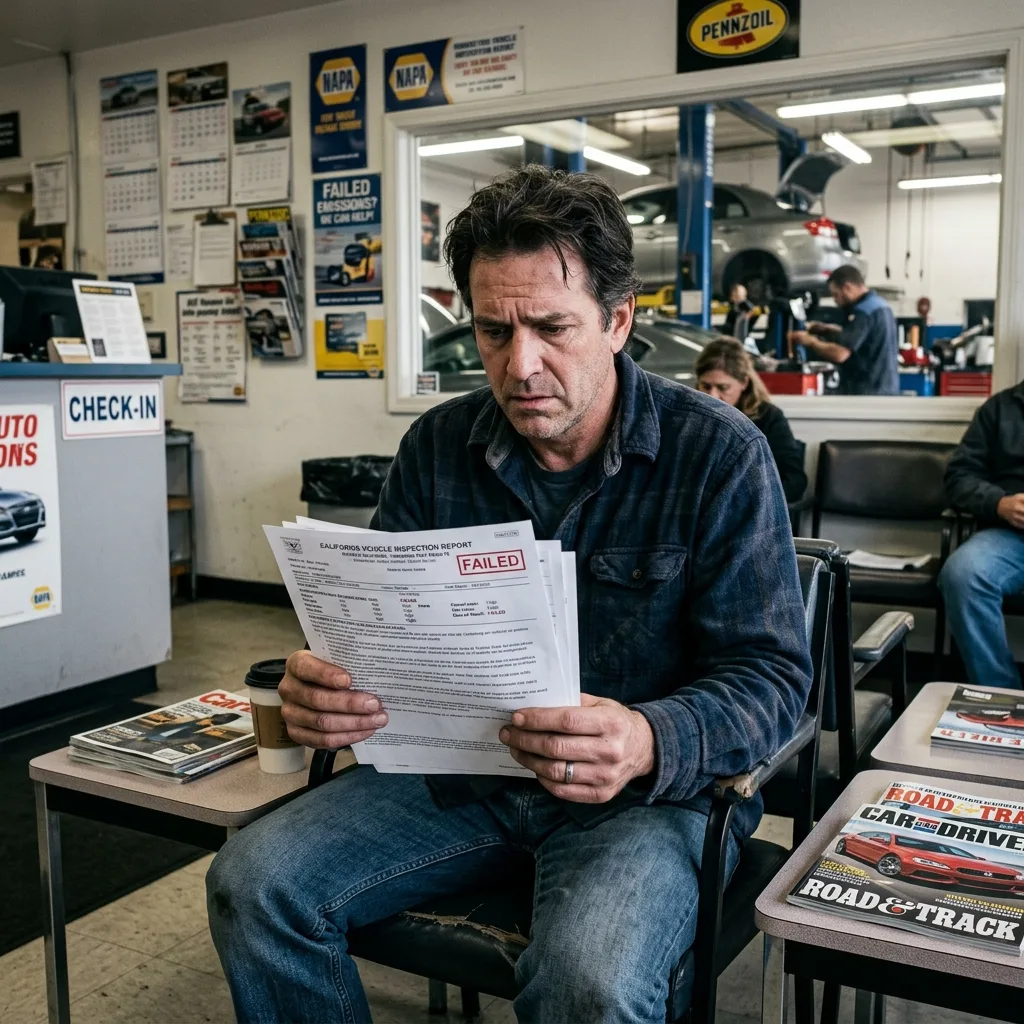
The Texas emissions test destroyed Marcus Reyna’s afternoon. He had just bought a 2019 Ford Mustang Shelby GT500 from a private seller in Katy, Texas, paid the seller in cashier’s checks, and driven it home grinning. Three weeks later he loaded a track-day tune onto the ECU because that is what you do with a 760-horsepower supercharged car you actually want to enjoy. Two months after that, he drove the Mustang to the inspection station to renew his Harris County registration, sat in the waiting area sipping a gas-station coffee, and got handed a piece of paper that said FAIL. The technician explained that several readiness monitors had not completed and that even if they had, the modified powertrain control module was probably going to throw codes. The mechanic next door quoted Marcus $2,400 to revert the tune, replace upstream oxygen sensors that were now reading wonky, and reset the system through enough drive cycles to clear the monitors. Or, the mechanic added with a shrug, Marcus could just sell the Mustang and buy a diesel Ram 2500. Diesels are exempt from emissions testing in Texas. The car that produces less pollution would cost Marcus $2,400 and a month of headaches. The truck that produces more pollution would cost him zero. That is the Texas emissions test paradox compressed into a single afternoon.
Marcus is not unusual. He is a category. Across the seventeen Texas counties currently subject to emissions testing, thousands of vehicle owners every month run into the same wall: a federal-state regulatory program that began with good intentions in the 1990s and has metastasized into a registration-denial machine that punishes modified vehicles, frustrates owners of older cars, and ignores diesel pickups entirely. The program also has a legal exit: Montana LLC registration, which removes the vehicle from Texas’s inspection system entirely because Texas only inspects Texas-registered vehicles. TCEQ governs Texas emissions — but its authority ends at the Texas registration system.
On this page
- + How the Texas emissions testing system actually works
- + The 17-county dragnet
- + When you fail: the real cost
- + The modified vehicle massacre
- + The diesel exemption: the accidental escape hatch
- + Remote sensing: the hidden enforcement arm
- + Who Montana LLC actually helps
- + ZTT process for Texas vehicle owners
- + When emissions is one reason among several
- + Frequently asked questions
How the Texas emissions testing system actually works
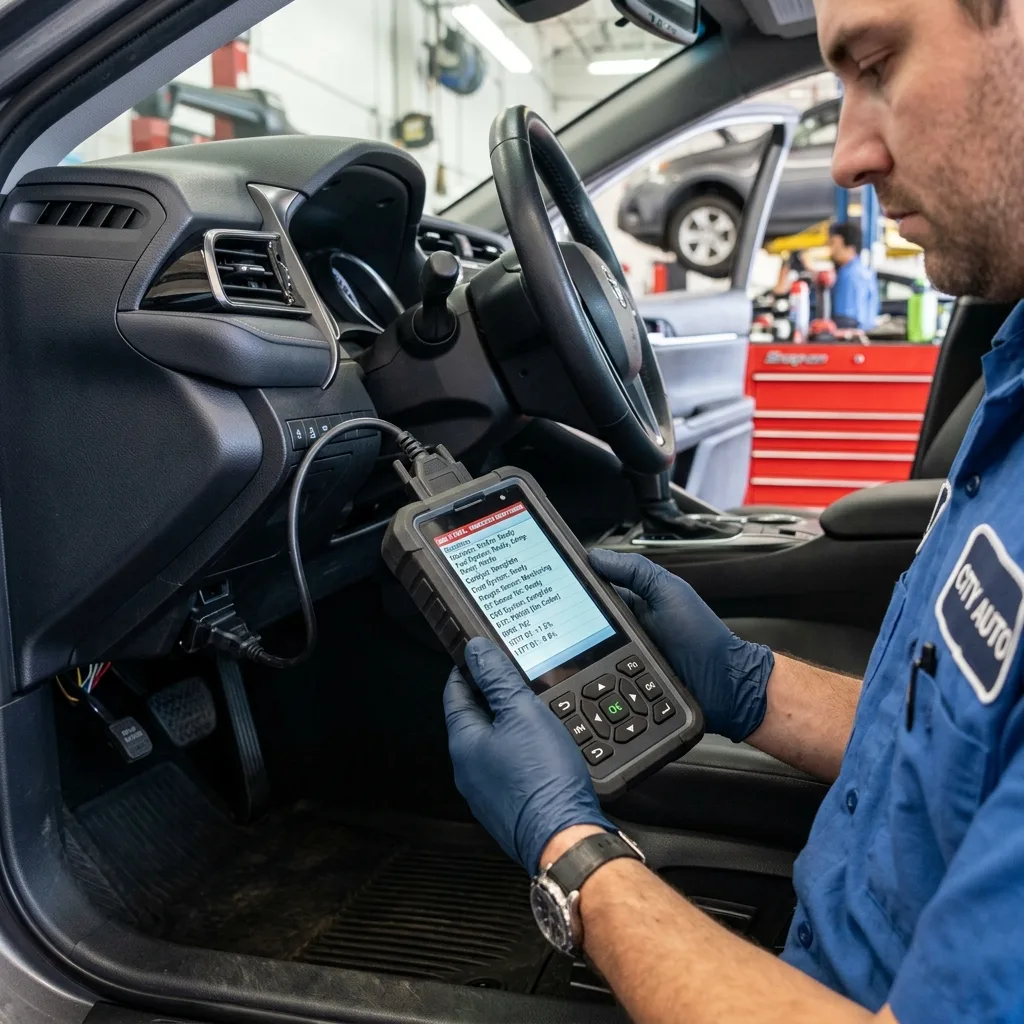
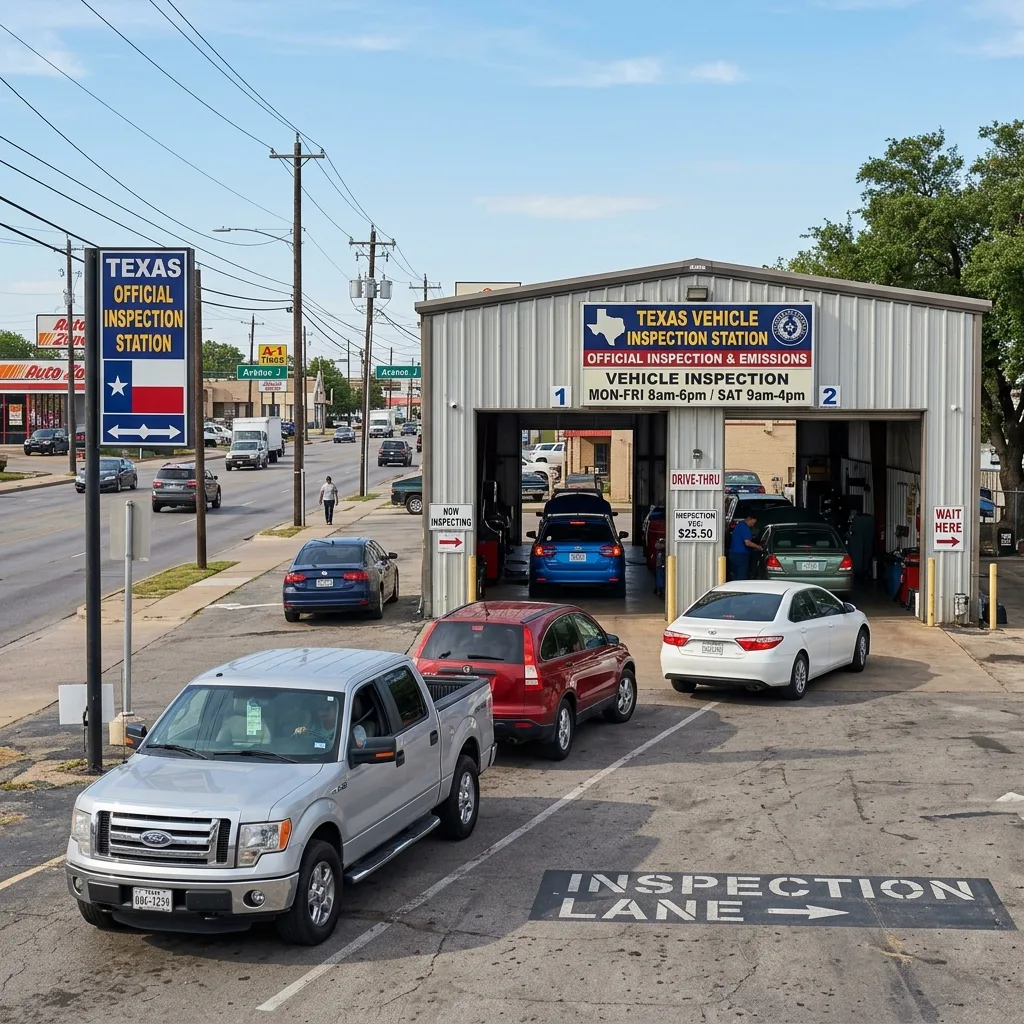
The first thing most Texans get wrong about the Texas emissions test is that they think it involves a probe up the tailpipe. For almost every vehicle on Texas roads today, that is not how it works. The Texas Commission on Environmental Quality administers the Inspection and Maintenance program, but the actual test is an electronic interrogation of the vehicle’s onboard diagnostic system. A technician plugs a scan tool into the OBD-II port located under the dashboard, and the tool downloads data from the engine control module about how the emissions control systems are performing.
The scan checks two things. First, it looks for any active or pending diagnostic trouble codes that indicate an emissions-related malfunction. A check engine light that is on, or one that has recently been reset, is an immediate red flag. Second, it checks the readiness monitors. These are little internal self-tests that the vehicle’s computer runs while you drive: the catalyst monitor, the evaporative system monitor, the oxygen sensor monitor, the EGR monitor, and several others. Each monitor needs to complete its self-test under specific operating conditions before the OBD-II system can confirm that everything is working. If too many monitors show “Not Ready,” the test fails.
For vehicles built in 2001 or later, the rule is simple: more than one Not Ready monitor and you fail. For 1996-2000 vehicles, you get a little more slack — three or more Not Ready monitors and you fail. Pre-1996 vehicles, which are increasingly rare, get a two-speed idle tailpipe test that physically measures hydrocarbon and carbon monoxide levels.
The cost is modest as a flat number. In the Houston-Galveston-Brazoria and Dallas-Fort Worth areas, the test runs $18.50 plus a $2.50 state administrative fee for a total of $21. In El Paso it is cheaper at $11.50 plus the state fee. Your registration cannot be renewed without a passing inspection on file in your county.
That table reveals the structural inconsistency that drives so much frustration. A 2024 Honda Civic that produces a fraction of the emissions of a 2010 diesel pickup must be tested every year, while the diesel pickup runs free. A 2002 Suburban with a worn-out catalytic converter is exempt by age, but a perfectly maintained 2020 Toyota Camry must be inspected. The program tests what is easy to test, not what is most polluting.
The 17-county dragnet
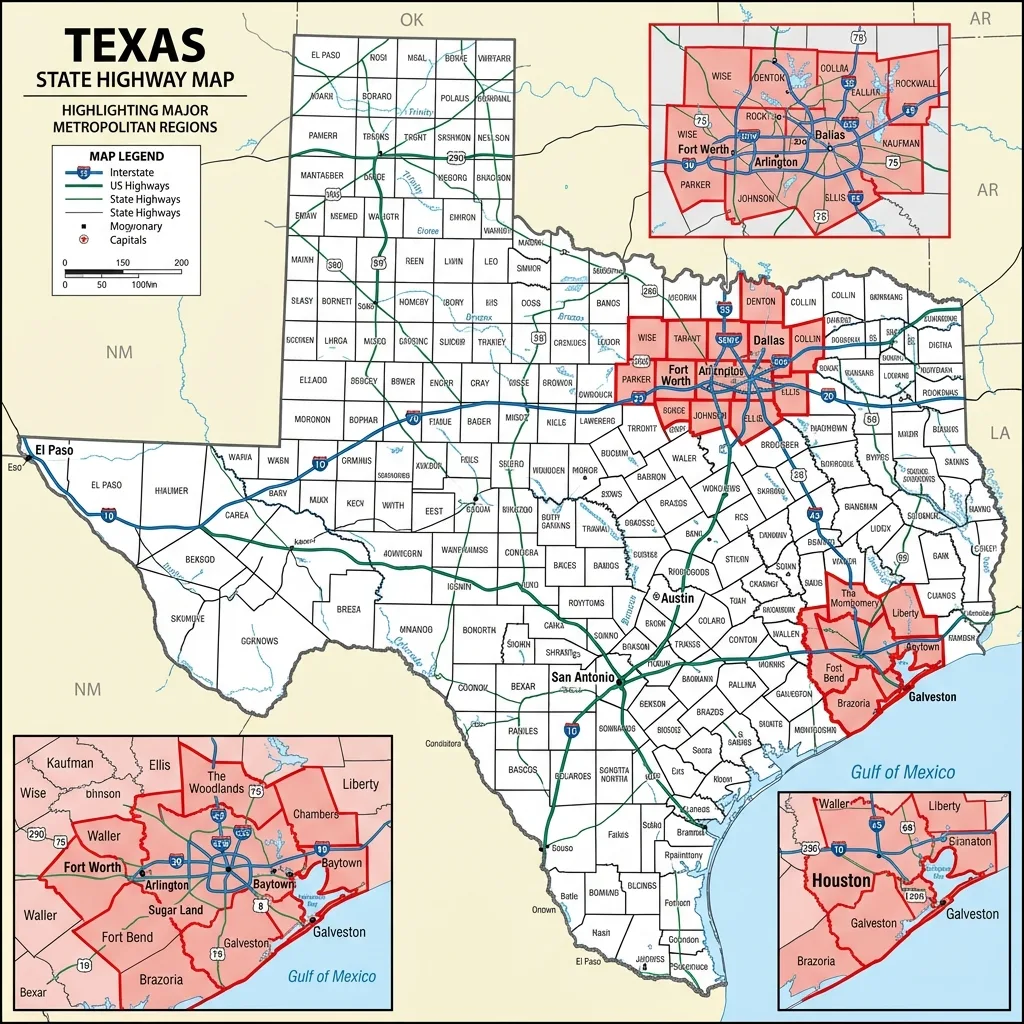
Texas does not test every vehicle in every county. The Texas emissions test requirement applies only in counties that the Environmental Protection Agency has designated as nonattainment areas for ozone or particulate matter, plus a few neighboring counties that get pulled in because air does not respect county lines. As of 2026 there are seventeen counties in the program, and in November 2026 Bexar County (San Antonio metro) becomes the eighteenth. If you live, register, or primarily operate a vehicle in any of these counties, your vehicle is in scope.
The seventeen current emissions counties cluster into three regions. The Houston-Galveston-Brazoria area covers Brazoria, Fort Bend, Galveston, Harris, and Montgomery counties. The Dallas-Fort Worth area is much larger and includes Collin, Dallas, Denton, Ellis, Johnson, Kaufman, Parker, Rockwall, and Tarrant counties. Travis and Williamson counties cover the Austin metro area. El Paso County stands alone in the far west of the state. When Bexar County joins in late 2026, San Antonio will become the third major metro on the list, dramatically expanding the affected population.
The reason these counties are in the program is the federal Clean Air Act. The EPA designates regions whose air quality fails to meet National Ambient Air Quality Standards as “nonattainment” areas. Texas, in turn, is required by federal law to have a State Implementation Plan that brings those areas back into compliance, and one of the cheapest, most visible levers the state can pull is mandatory vehicle emissions inspection. The seventeen counties exist on the list because the EPA put them there, not because any Texas legislator decided in a vacuum that Brazoria drivers needed extra paperwork.
The Bexar County addition in November 2026 is going to surprise an enormous number of San Antonio residents who have never had to think about emissions testing. If you live in Bexar and own a 2003-2024 gasoline vehicle, mark that date on your calendar — your next renewal after November 1, 2026 will require a passing OBD-II inspection.
When you fail: the real cost
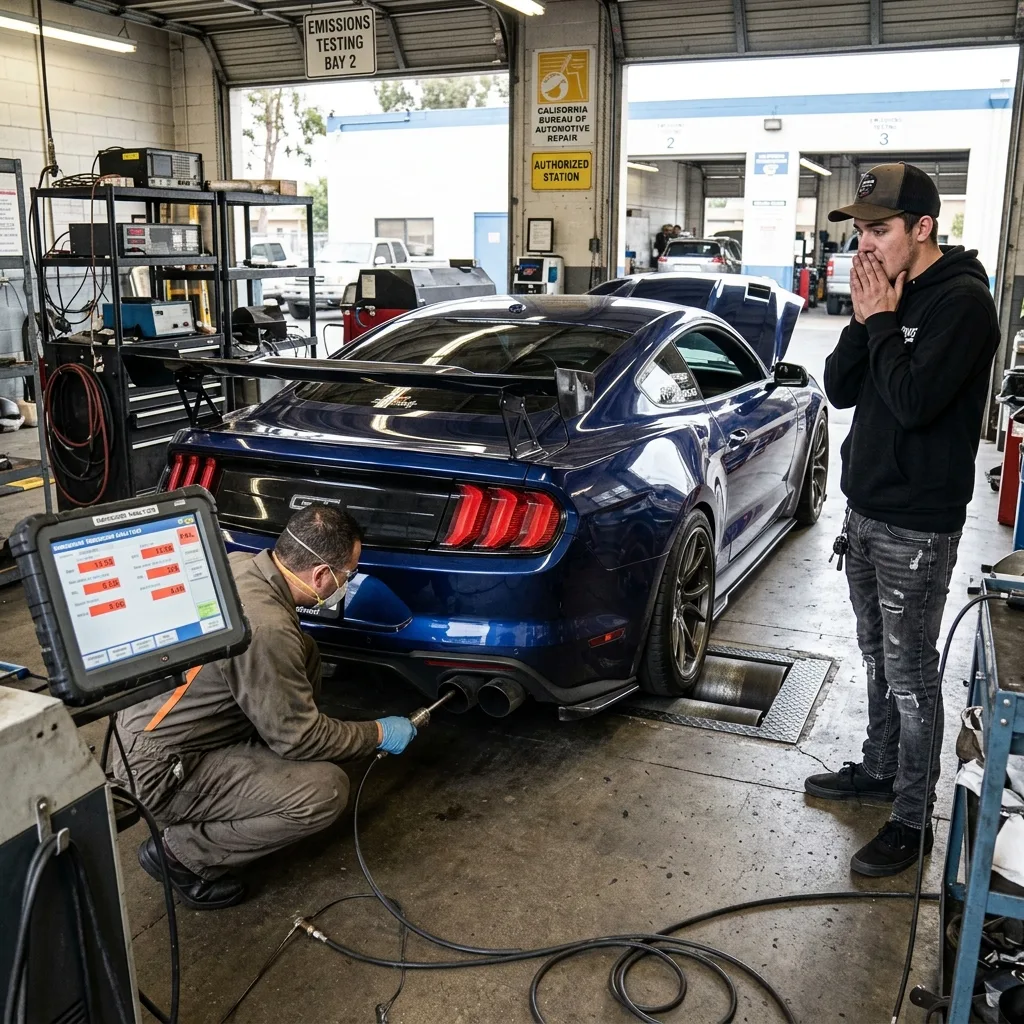
Failing the Texas emissions test kicks off a clock. From the moment your vehicle fails, you have until your registration expiration date to either pass a retest or qualify for a waiver. If your registration has already expired, you typically have a 30-day grace period to bring the vehicle into compliance before enforcement starts pulling on the thread.
Texas does provide several waiver and extension pathways, but they exist on paper more often than they help in practice. The Individual Vehicle Waiver is the headline option: spend $600 or more on qualified emissions repairs at a Recognized Emissions Repair Facility (or $450 in El Paso), retest, and if you still fail you can usually obtain a one-time waiver allowing you to register the vehicle for one year. The catch is the word “qualified.” Repairs to a clogged exhaust pipe, a worn tire, or anything not directly related to the emissions control system do not count. The repairs must address codes pulled from the OBD-II system, must be performed by a certified facility, and must be documented on a specific form.
The Low Mileage Waiver targets drivers who put fewer than 5,000 miles per year on a vehicle. If you can document low mileage and have spent at least $100 on qualified emissions repairs, you may qualify. This is most relevant for second cars, weekend collector vehicles, and seasonal use cases. The Parts Availability Time Extension applies when a critical emissions component is genuinely unavailable from any supplier within a reasonable time — this rarely applies to mainstream vehicles but can save owners of older or unusual cars. Finally, the Low-Income Time Extension provides additional time for vehicle owners whose household income falls below federal poverty thresholds.
Consider Dr. Elena Vasquez, an interventional cardiologist at a hospital in the Texas Medical Center who lives in Sugar Land. Her 2021 Porsche Cayenne Turbo had been modified by the previous owner with an aftermarket cold air intake and a mild ECU calibration. She had no idea any of that had been done — she bought the vehicle from a high-line dealer who didn’t disclose the modifications. The first time the Cayenne came up for renewal in Fort Bend County, it failed. Five Not Ready monitors, a pending P0420 catalyst efficiency code, and a tune signature that the scan tool flagged. The shop quoted $3,200 to revert to factory tune, replace the upstream oxygen sensors, and complete drive cycles. Dr. Vasquez negotiated with a different shop and ended up spending $650 on legitimately qualified emissions repairs — a new upstream oxygen sensor, a software reflash to OEM specifications, and three hundred miles of monitored drive cycles. The Cayenne still failed the retest because the catalyst monitor refused to set, but the documented qualified expenditure exceeded $600 and she received an Individual Vehicle Waiver. Total cost in time: about six weeks. Total cost in money: $650 plus two trips to the inspection station plus retest fees. Total cost in stress: a great deal.
That was a successful outcome. The unsuccessful outcomes look like this. You cannot pass the test. You cannot afford qualified repairs that will get you to $600. Your vehicle is too modified or too old or too damaged to repair economically. Your registration expires. You drive on expired plates because you have to get to work. A Houston police officer notices and writes you a $75 citation. A constable spots your expired sticker in a Walmart parking lot and has the vehicle booted; the boot fee is $125 and the impound is more. You owe the city, the constable, and the testing system at the same time, and the only way out is to fix what you couldn’t afford to fix in the first place. The penalty regime varies between $30 and $75 per fine depending on jurisdiction, with Harris County typically at the higher end.
A Houston driver caught with expired registration faces $75 fines per stop, possible vehicle impoundment, and boot fees starting at $125. The cost of avoidance often exceeds the cost of compliance after one or two encounters with enforcement.
The modified vehicle massacre
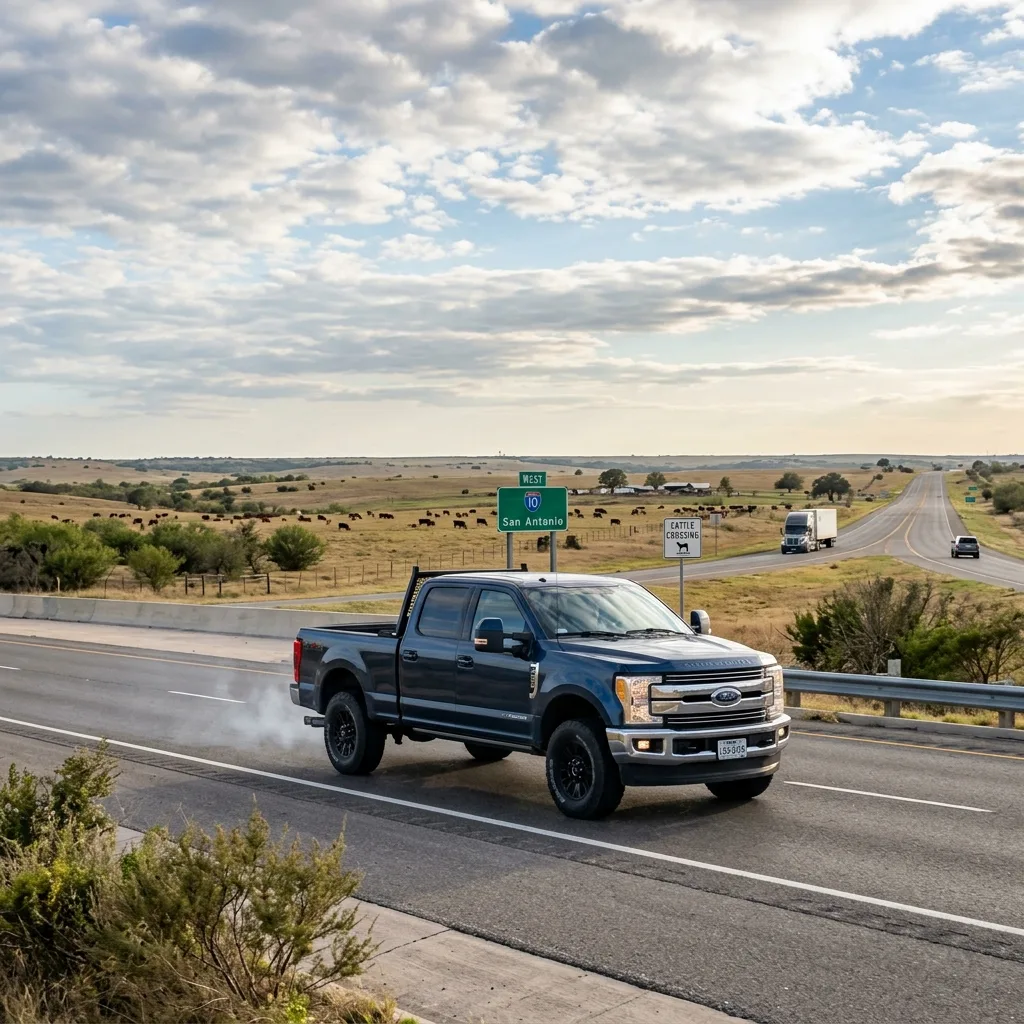
The single most common reason a healthy modern vehicle fails the Texas emissions test has nothing to do with actual emissions and everything to do with readiness monitors. Every time you flash a tune onto an ECU, disconnect the battery for an extended period, or clear codes after a repair, the vehicle’s onboard self-tests reset to “Not Ready.” Texas considers Not Ready monitors evidence that the emissions system has not yet verified itself, and beyond a certain threshold the vehicle is failed automatically.
The fix is not technical. It is operational. You need to drive the vehicle through what manufacturers call a complete drive cycle, and for many systems that means hitting very specific conditions: a cold start below a certain ambient temperature, a sustained highway cruise of fifteen to twenty minutes at steady speed, multiple decel events from highway speed, idle periods, and so on. In practice it requires 100 to 200 miles of varied driving in mixed conditions before all monitors will reliably set. If you tune your car on Saturday and try to inspect on Sunday, you will fail. If you tune on Saturday and inspect three weeks later having only made short trips to the grocery store, you will probably still fail.
Aftermarket exhaust modifications are a different problem. A cat-back exhaust system that does not affect any sensor placement upstream of the catalytic converter usually does not cause an emissions failure on its own. A header system or a mid-pipe modification that moves the upstream oxygen sensor or alters its operating environment will frequently trigger codes. The shop technician’s eyes see a beautiful titanium exhaust note and assume everything is fine; the OBD-II scanner sees an oxygen sensor reading that drifts outside spec at high load.
Catalytic converter deletes are the third rail. Removing the catalytic converter from any modern vehicle violates federal Clean Air Act provisions that pre-empt state law, exposes the owner to substantial civil penalties, and obviously results in an automatic emissions failure. We do not need to spend more time on this — if your truck has had its cats removed and you live in a Texas emissions county, you have a problem that no Montana LLC and no waiver process is going to solve. The fix is a new catalytic converter.
Engine swaps are even thornier. A 5.3L LS swapped into an early Camaro might run beautifully, but at the inspection station the technician will pull the dashboard VIN, decode it as a 1980-something vehicle, look at the engine bay full of modern aluminum block and electronic fuel injection, and either scratch his head or write FAIL. Swapped vehicles are simultaneously over-modified for their original era and under-equipped for their swapped powertrain era. This is one of the categories where the Texas system most clearly fails to think through edge cases.
Take Ryan Cooper, a software engineer in Plano. He bought a 2018 Ford Mustang GT 5.0 and treated it like the engineering project he wanted it to be. He installed a cold air intake, added a cat-back exhaust that kept all upstream sensors in factory positions, and loaded a ProTune calibration optimized for 93-octane fuel. The vehicle made an extra 35 horsepower and was an absolute joy on Texas highways. The first inspection went fine because Ryan had driven it 1,200 miles since the tune was loaded. The second inspection one year later was a disaster. He had reloaded a refined version of the tune two weeks before the inspection and only put 80 miles on the car since. Three Not Ready monitors. He failed. He drove another 200 miles in mixed traffic, returned, and failed again — the catalyst monitor stubbornly refused to set. He paid for a third inspection two weeks later and finally passed. His takeaway was that the inspection cycle for tuned cars in Texas required either a permanently delayed retune schedule or a complete absence of tuning. He sold the tune back to the vendor and reverted to the factory calibration, which produced exactly the experience he had been trying to avoid.
After any tune, ECU flash, or extended battery disconnect, plan on 100 to 200 miles of varied driving — including highway cruises, full warm-ups, and cold starts — before attempting an emissions inspection. Short city trips alone will not complete the readiness monitors.
The diesel exemption: the accidental escape hatch
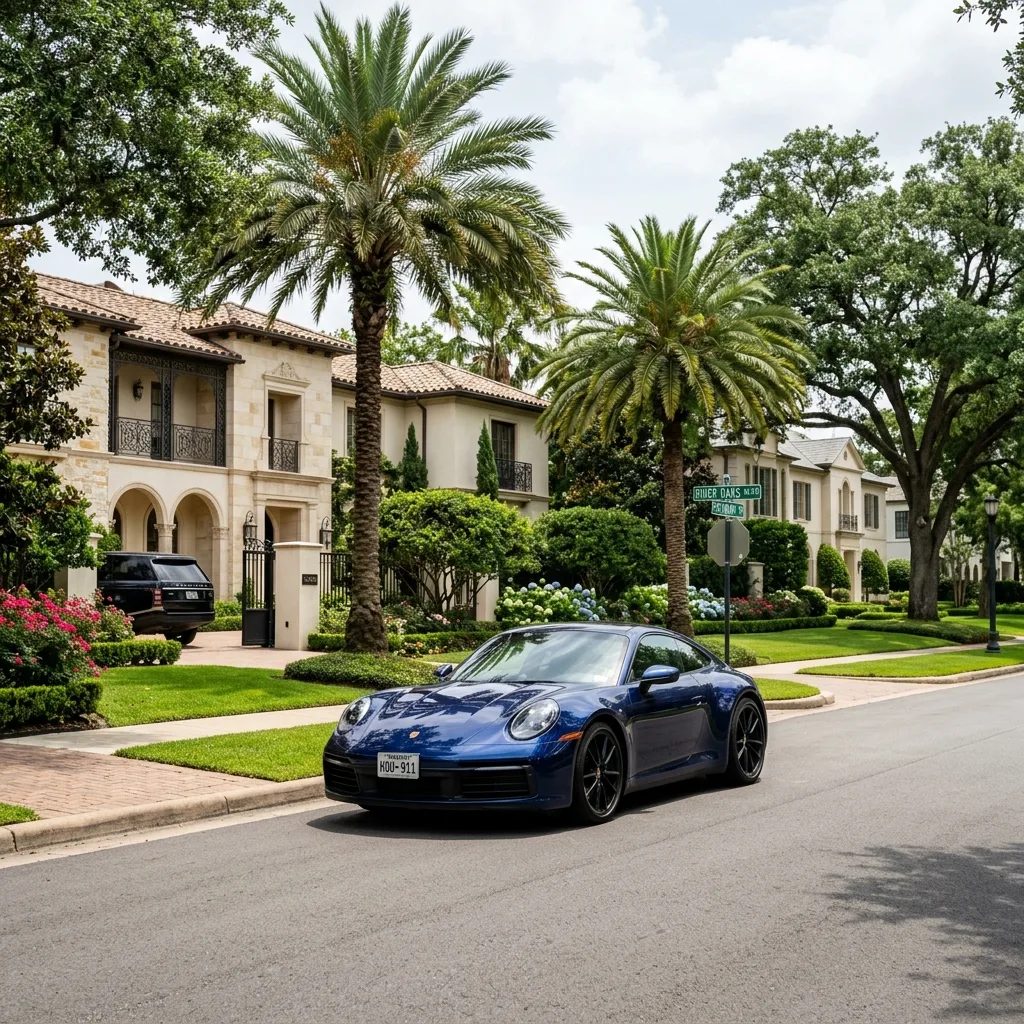
Of all the inconsistencies in the Texas emissions test framework, the diesel exemption is the one that owners and lawmakers will have to wrestle with for years. Texas does not test diesel vehicles. Period. A 2014 Ram 2500 Cummins with a deleted DPF and a lifted exhaust stack producing visible black smoke under acceleration drives past the inspection station. A 2014 Toyota Prius with a slightly degraded oxygen sensor must enter that same station and be tested. The diesel produces dramatically more nitrogen oxide and particulate matter under any reasonable comparison, but the inspection regime ignores it.
The historical reason for this is partly statutory inertia and partly the technical difficulty of testing diesel vehicles with the same OBD-II protocol. Heavy-duty diesel emissions controls operate on different principles, and when the Texas program was designed, the cost-benefit of including diesel testing in a state where most diesel vehicles were either commercial fleets or rural agricultural pickups was politically untenable. So they were left out, and they have remained left out, even as ownership of diesel passenger pickups in DFW and HGB has exploded over the past fifteen years.
The downstream effect is that the cleanest current technology — a 2024 Toyota Camry Hybrid — must navigate emissions testing every year, while the F-250 Powerstroke pulling out of the same neighborhood does not. From a pure regulatory rationality standpoint, this is hard to defend. From a Texas pickup-truck-culture standpoint, it is also hard to change. So it persists.
For vehicle buyers actively weighing decisions, this exemption is worth understanding. If you are choosing between a gasoline F-150 and a diesel F-250 for a similar use case, and you live in an emissions county, the diesel removes one entire category of recurring administrative burden. That is not a recommendation to buy a diesel for emissions reasons alone — diesels carry higher upfront costs, more expensive maintenance, and DEF complications of their own. But the exemption is real and is not going to disappear soon. Battery electric vehicles are similarly exempt, which makes more environmental sense; EVs simply do not produce tailpipe emissions, so testing them would be pointless. The 2002-and-older age exemption captures most collector cars and a meaningful slice of older economy vehicles still on the road, which is one reason the resale value of well-preserved pre-2003 vehicles in Texas emissions counties remains higher than national norms.
Remote sensing: the hidden enforcement arm
Most Texas drivers have never heard of remote sensing, but it is one of the more interesting and least understood components of the state’s emissions enforcement toolkit. TCEQ deploys roadside remote sensing units that use infrared and ultraviolet light to measure exhaust emissions from vehicles passing at normal driving speeds. Each unit captures a license plate image, identifies the vehicle, measures emissions of CO, hydrocarbons, NOx, and particulate matter, and uploads the data to a central database in real time.
The original purpose of the program was research — quantifying the contribution of high-emitting vehicles to overall air quality so that policy could be targeted. Over the past several years it has shifted toward enforcement. Vehicles that consistently appear in the remote sensing dataset as gross emitters get flagged for follow-up. The follow-up can take several forms: a notification to the registered owner, a referral to local police for visual inspection, or coordination with the registration system to flag the vehicle at next renewal.
The reason this matters for the Texas emissions test conversation is that registration alone is no longer the only enforcement vector. A vehicle with out-of-state plates that drives daily on Houston freeways and shows up repeatedly in remote sensing data as a high emitter is going to attract attention regardless of where its registration paperwork lives. Cross-referencing remote sensing detections with insurance databases (which capture garaging address) and county property tax records (which capture homestead exemptions) gives Texas a remarkably clear picture of which vehicles are domiciled in the state regardless of plate origin.
Montana LLC registration is the solution for modified vehicles, high-mileage cars with monitor issues, and vehicles whose owners have multi-state lives. Under the U.S. Constitution’s Commerce Clause and Full Faith and Credit Clause, Montana has the right to register vehicles owned by Montana entities — and Texas must recognize that registration.
Who Montana LLC actually helps with Texas emissions
Here is where we have to be careful. Montana has zero emissions testing requirements — no OBD-II inspection, no tailpipe sniffer, no annual safety inspection of any kind. A vehicle registered in Montana never has to pass a Texas emissions test because Texas only tests vehicles registered in its own emissions counties. That sounds like the obvious answer. It is not.
Texas, like most states, has rules that determine when a vehicle physically located in Texas is required to be registered in Texas. The general framework presumes that a vehicle becomes a Texas vehicle for registration purposes after it has been operated in the state for sixty to ninety days, depending on the specific factual context. A vehicle that legitimately spends substantial time in another state, used by an owner who has genuine multi-state ties, does not fall under that presumption. A vehicle that lives full time in a Texas garage and only crosses the state line for occasional trips falls squarely under it.
Montana LLC registration is appropriate for several distinct categories of Texas-affiliated owners. RV full-timers who spend the bulk of the year traveling across multiple states have a legitimate basis to register in Montana, particularly because Montana welcomes recreational vehicle ownership through its specific statutory framework. Vehicle collectors whose cars do not see daily operation, who drive each vehicle a few hundred miles a year to events and shows, can legitimately register in Montana when those vehicles are not domiciled in Texas in any meaningful sense. Businesses with genuine Montana operations — a Texas company that owns property, conducts business, or maintains a presence in Montana — can place vehicles into a Montana LLC as part of overall fleet management. Dual-state residents who maintain homes in both Texas and Montana, splitting their time substantially, can structure registration around their genuine Montana presence.
What Montana LLC is not appropriate for: a Houston-based oil and gas executive who drives his Ferrari to River Oaks Country Club every weekend, parks it in his Memorial Park garage every night, and has Texas property tax exemptions on the home that contains the garage. That vehicle is a Texas vehicle, full stop, and any plate that says otherwise is a problem waiting to be discovered.
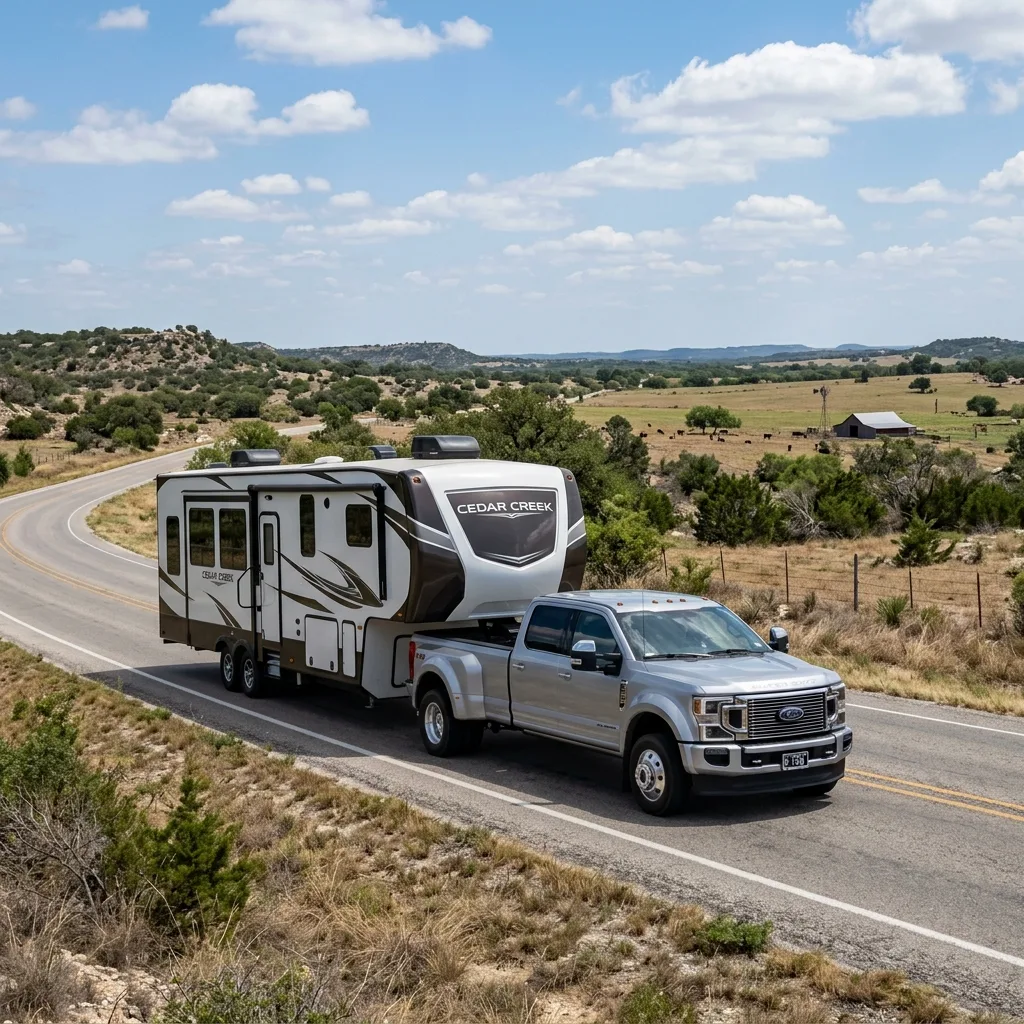
Consider three real-world cases that ZTT has helped through. Jim and Sandra Okonkwo are a retired couple living in Conroe, Texas. Both worked their entire careers in Houston, retired in their late sixties, and bought a 200-acre ranch in southern Montana that they spend April through November at every year. Their primary vehicle is a 2023 Ford F-450 dually that pulls a 40-foot fifth-wheel to and from Montana each spring and fall. The truck physically spends seven months a year in Montana and five months in Texas. They registered the F-450 through a Montana LLC in 2024 — a straightforward application of the structure that saves them thousands annually and removes the vehicle from Texas’s emissions testing system entirely.
Tyler Nguyen is a software founder in Dallas with a six-figure car collection that includes a 2022 Chevrolet Corvette Z06, a 1967 Pontiac GTO, a 2018 Porsche 911 Turbo S, a 2024 Ford Bronco Raptor, and a 1990 Acura NSX. He drives each car between 800 and 1,500 miles per year. The cars live in a climate-controlled garage attached to a property he owns in northeast Dallas County. They go to weekend cars-and-coffee events, occasional Cars and Coffee meetups in Austin and Fort Worth, and a few major shows per year. Tyler registered the entire collection through a Montana LLC because the vehicles’ operational footprint is so light and so multi-state-event-driven that Texas registration in an emissions county would force several of them through inspection cycles that are impossible to pass given how rarely they are driven. The Z06 in particular, with its high-strung naturally aspirated V8, has tripped readiness monitor issues twice in the past simply because of how rarely it gets the long highway drives that complete the catalyst monitor.
GreenPoint Landscaping LLC is a Houston-based commercial contractor with a fleet of three diesel Ford F-450s that work job sites across the greater Houston region. The trucks are already exempt from Texas emissions testing because they are diesel. The company nonetheless registered the fleet through a Montana LLC structured separately from the operating entity, which delivered substantial sales tax savings on the most recent truck purchase and simplified renewal logistics. This is an emissions-irrelevant case, but it illustrates that the Montana decision can be motivated by tax structure independent of inspection avoidance.
ZTT’s intake process identifies the right structure for each client. Montana LLC registration is the proven solution for modified vehicles, track cars, collector vehicles, multi-state drivers, and RV owners — the cases where the structure saves the most money and eliminates the emissions testing problem permanently.
ZTT process for Texas vehicle owners
For Texas residents whose situation legitimately fits the Montana framework, the process is well-defined and the timeline is short. Zero Tax Tags handles the entire pipeline from initial consultation through plate delivery. Pricing is transparent: $899 for the first year, which breaks down as $699 service fee plus $200 for Montana LLC formation. Renewals run $368 per year for the first four renewal cycles, then drop to $237 per year for years five through ten. After eleven years the registration becomes permanent. ATVs, UTVs, and trailers receive permanent Montana registration on a one-time basis with no annual renewal at all.
| Day 1: | Submit your MCO and supporting paperwork through our secure portal. We review for completeness and file your Montana LLC the same day. |
| Days 1–2: | Montana LLC formation complete — same business day in most cases, second business day at the latest. |
| Days 2–4: | Title transferred into the LLC name at the Montana county treasurer. |
| Days 4–7: | Permanent Montana plates shipped directly to your door within 3–5 business days of title completion. |
At renewal time, ZTT handles the entire process. Clients receive an email roughly 60 days before the Montana registration expiration date, confirm any vehicle status changes, and pay the renewal fee. New tags are mailed directly to the client’s preferred address. There is no inspection. There is no testing. The process is complete in under two weeks every year.
For clients who own ATVs, UTVs, or non-motorized trailers — equipment that frequently bounces between states for hunting, ranch work, or recreational use — the Montana permanent registration is one of the more underrated features of the program. A side-by-side that gets registered in Montana once, never has to be registered again. A flatbed trailer used for hauling vehicles to track events the same. Over a five-year ownership period, the savings on these categories alone often exceed the cost of the program.
When emissions is one reason among several
Emissions avoidance is rarely a sufficient reason on its own to justify Montana registration. The math doesn’t work if your vehicle would pass inspection without much trouble — paying $899 in year one to avoid $21 in annual inspection fees is a bad trade by any measure, and the legal exposure of misrepresenting domicile dwarfs the savings.
The math does work when emissions is one reason among several. Consider the vehicle owner who is already considering Montana for sales tax savings on a $180,000 truck purchase. Texas sales tax at 6.25 percent on that purchase is $11,250. The Montana LLC structure, when properly applied to a vehicle whose use legitimately fits the multi-state framework, eliminates that. Now add to it the fact that the truck happens to be a tuned diesel with deleted emissions equipment that would never pass any inspection regardless of state — the Montana registration removes a separate, distinct compliance problem that would otherwise have to be solved through expensive restoration of the original emissions equipment. Now layer on top of that an owner who genuinely splits time between Texas and Montana for ranch operations, has a Montana-domiciled hunting LLC that owns the truck, and uses the vehicle for ranch work in both states. The tax case, the emissions case, and the use case all align. Montana registration becomes a coherent solution rather than an emissions-avoidance gambit.
If you are reading this because you live in Houston, work in Houston, drive your daily commuter Honda Accord in Houston, and just got tired of dealing with annual emissions testing — Montana is not the right answer for you. The right answer is to make sure your Accord is well-maintained, drive your normal drive cycles before each inspection, and pay the $21. If you are reading this because you have a complicated multi-state lifestyle, a vehicle with edge-case modifications, or business operations that genuinely span Texas and Montana, then Montana registration may be one piece of a larger structure worth exploring.
Frequently asked questions
What years of vehicles need emissions testing in Texas?
Gasoline-powered vehicles from model years 2003 through 2024 require annual OBD-II emissions inspection in the seventeen designated emissions counties. Vehicles that are model year 2025 or 2026 are currently exempt because they are too new (the program excludes the two newest model years). Vehicles model year 2002 and older are exempt by age. Diesel vehicles of any year are exempt entirely, as are battery electric vehicles and motorcycles. Pre-1996 gasoline vehicles, when they appear, get a two-speed idle tailpipe test rather than the OBD-II scan.
Which counties require emissions testing in Texas?
The seventeen counties currently in the program are: Brazoria, Collin, Dallas, Denton, Ellis, El Paso, Fort Bend, Galveston, Harris, Johnson, Kaufman, Montgomery, Parker, Rockwall, Tarrant, Travis, and Williamson. Bexar County (San Antonio) is scheduled to join the program on November 1, 2026, becoming the eighteenth. Outside of these counties, no emissions testing is required for vehicle registration anywhere in Texas.
How much does the Texas emissions test cost?
In the Houston-Galveston-Brazoria area and the Dallas-Fort Worth area, the test costs $18.50 plus a $2.50 state administrative fee, for a total of $21. The same fee applies in Travis and Williamson counties. El Paso County uses a different testing protocol and the test costs $11.50 plus the $2.50 state fee, for a total of $14. These are the inspection-only costs; any required repairs, retests, or waiver processing add to the total.
What happens if I fail the Texas emissions test?
You have until your registration expiration date to either pass a retest or qualify for a waiver. Available waivers include the Individual Vehicle Waiver (which requires $600 of qualified emissions repairs, $450 in El Paso), the Low Mileage Waiver (under 5,000 miles per year plus $100 in repairs), the Parts Availability Time Extension, and the Low-Income Time Extension. If you cannot pass and cannot qualify for a waiver, your registration cannot be renewed and driving on expired plates exposes you to fines of $30 to $75, possible vehicle impoundment, and boot fees starting at $125.
Are diesel trucks exempt from Texas emissions testing?
Yes. Diesel vehicles of all years are completely exempt from Texas emissions inspection. This is a statutory exemption rooted in the original design of the program and the technical differences between gasoline and diesel emissions control systems. The exemption applies regardless of how the diesel is configured — even modified diesel pickups with deleted DPF systems are not subject to the OBD-II inspection that gasoline vehicles must pass. Note that federal Clean Air Act rules separately prohibit emissions equipment removal, but Texas state inspection does not enforce those federal provisions.
Can a tune make my car fail emissions?
Yes, in two ways. First, loading a tune resets the readiness monitors to “Not Ready,” and Texas requires those monitors to be in “Ready” status before passing the OBD-II test. You need 100 to 200 miles of varied driving (highway cruise, full warm-ups, decel events) to complete all monitors. Second, some tunes alter fueling or ignition timing in ways that cause oxygen sensors and catalyst monitors to read out of spec, throwing diagnostic trouble codes that cause an immediate fail. Conservative street tunes that respect emissions parameters are less problematic than aggressive race tunes.
Does Montana LLC registration avoid Texas emissions testing?
Yes. A vehicle properly registered in Montana is not subject to Texas emissions testing because Texas only inspects vehicles registered in Texas. The vehicle is owned by the Montana LLC — a Montana entity — and Montana issues the registration. Under federal law, Texas must recognize that registration. This works for modified vehicles, track cars, collector vehicles, RVs, and multi-state drivers — all categories where Montana registration eliminates the emissions testing problem entirely.
How does Zero Tax Tags handle vehicles with emissions concerns?
ZTT handles the complete Montana LLC formation, title transfer, and Montana registration in approximately two to three weeks. Zero Tax Tags manages all ongoing compliance — registered agent service, annual Montana Secretary of State filings, and DMV renewals — so the structure stays solid for the life of your vehicle ownership.
Related reading from other high-tax states
Montana LLC registration also helps owners in other states dealing with aggressive vehicle taxation:
- Arizona VLT Problem: How to Stop Paying $1,000 Every Single Year
- Virginia Car Tax: Stop Paying the Highest Vehicle Tax in America
- Nevada’s 8.25% Car Tax: The Hidden Cost Nobody Tells You About
Ready to Stop Fighting Texas Emissions Testing?
Texas vehicle owners with legitimate multi-state use have saved thousands with Montana LLC registration. If your situation fits, we’ll tell you. If it doesn’t, we’ll tell you that too.