25 min read
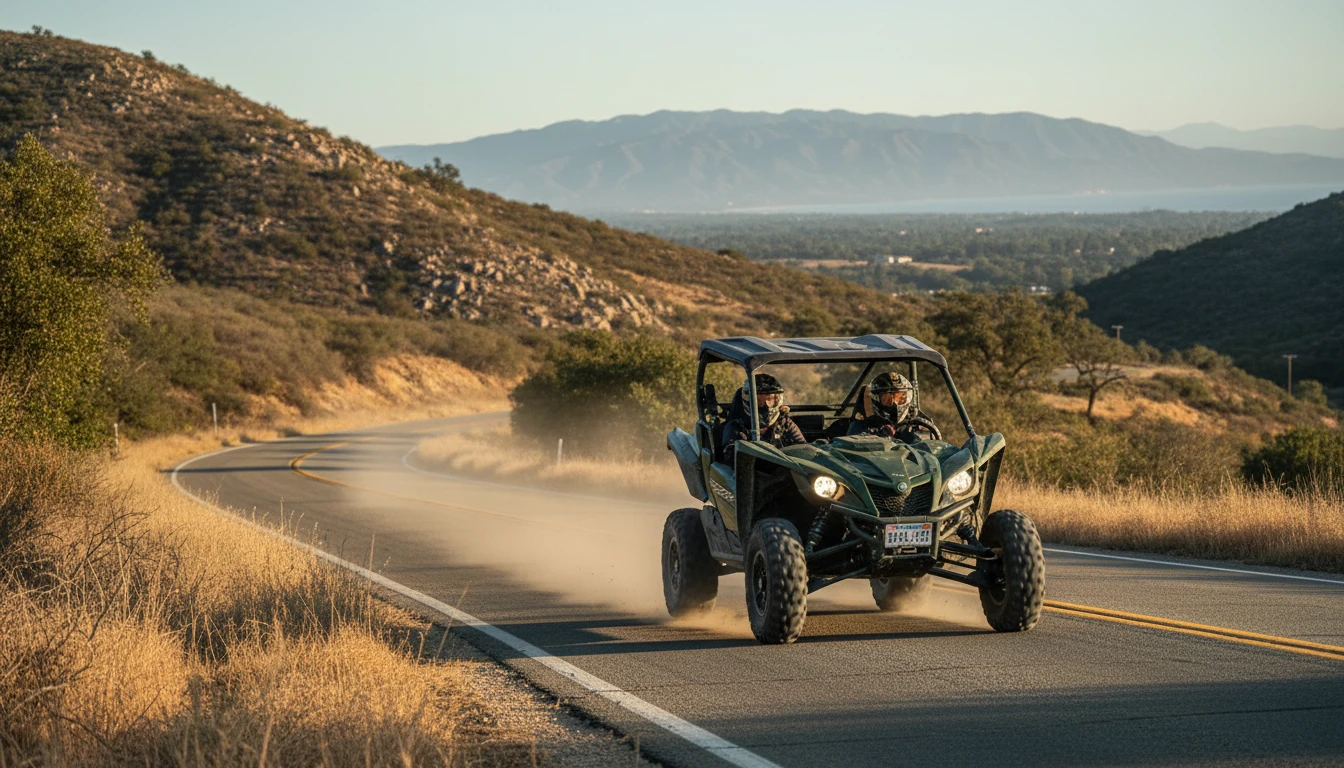
California has the best off-road riding on the continent. Glamis at sunrise, Ocotillo Wells in February, Pismo Beach on a Saturday when the tide is right. The terrain is unreal, the season is long, and the access is generous compared to most states.
It also has some of the highest sales taxes in the country, a CARB compliance system that can make your brand-new 2022-or-later UTV ineligible for a Green Sticker at all, and zero pathway to make an ATV street legal. Buy a $45,000 Can-Am X3 in Los Angeles County and the state of California will hand you a tax bill that exceeds $4,500 before the dealer even prints your sticker paperwork.
Montana LLC registration cannot fix CARB. CARB is a California emissions program, and no amount of out-of-state titling rewrites that. What Montana can do is eliminate the 7.25 to 10.75 percent sales tax that hits you at the dealership, give your machine a permanent plate that never needs renewal, and let you stop paying California for the privilege of owning a vehicle you already bought. That is the actual problem worth solving, and that is what this article walks through.
If you are buying a UTV that costs more than $12,000 in any California county, the math is not subtle. It is a one-time fix that pays for itself before you finish your first weekend at Ocotillo.
On this page
What California actually charges for ATVs and UTVs
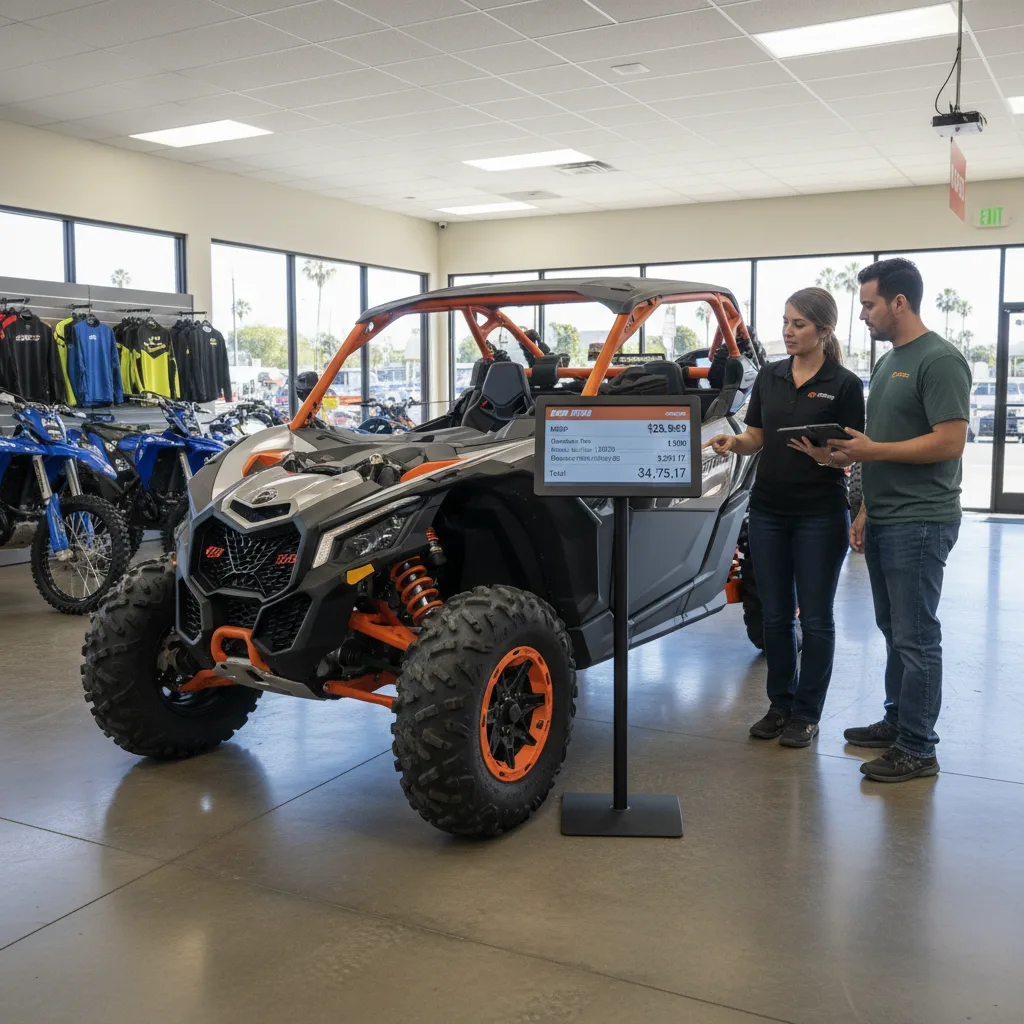
California taxes off-road vehicles the same way it taxes a refrigerator or a couch: at the register, as sales and use tax, based on the rate in the county where the buyer takes delivery. The state base rate is 7.25 percent. That is already the highest base sales tax rate in the United States. Then your county and city add their own slice on top, and depending on where you stand, that combined rate climbs into double digits.
The combined rate across major California metros where off-road buyers actually live and shop:
Now apply those rates to actual purchase prices. The market is dominated by four or five price points: entry ATVs around $8K, work-grade Polaris Rangers in the low twenties, premium sport UTVs in the $30K to $45K range, and fully built race-ready Can-Ams that push past $60K out the door.
That is the tax bill. It is one-time, it hits at purchase, and it goes to California whether you ride 60 days a year or six. On top of that, California requires every non-street-licensed off-highway vehicle to display either a Green Sticker, a Red Sticker, or nothing at all. The fee is $54 every two years, which works out to $27 per year. Compared to the purchase tax, the sticker fee is a rounding error. The real damage is done at the register on day one.
Put the full five-year picture next to it. A $40,000 UTV in Los Angeles County at the 10.25 percent combined rate — roughly a mid-trim 2025 Polaris RZR Pro R or a moderately optioned Can-Am Maverick X3. Here is what California collects over five years versus what Montana asks for, total, ever.
Five times the cost on the California side. At a $40K purchase in LA County, you pay the equivalent of an extra Polaris Sportsman 570 in sales tax over five years.
The sticker system itself has three tiers, and which tier you fall into is determined entirely by California Air Resources Board (CARB) emissions rules, not by anything the buyer can choose.
The CARB compliance trap
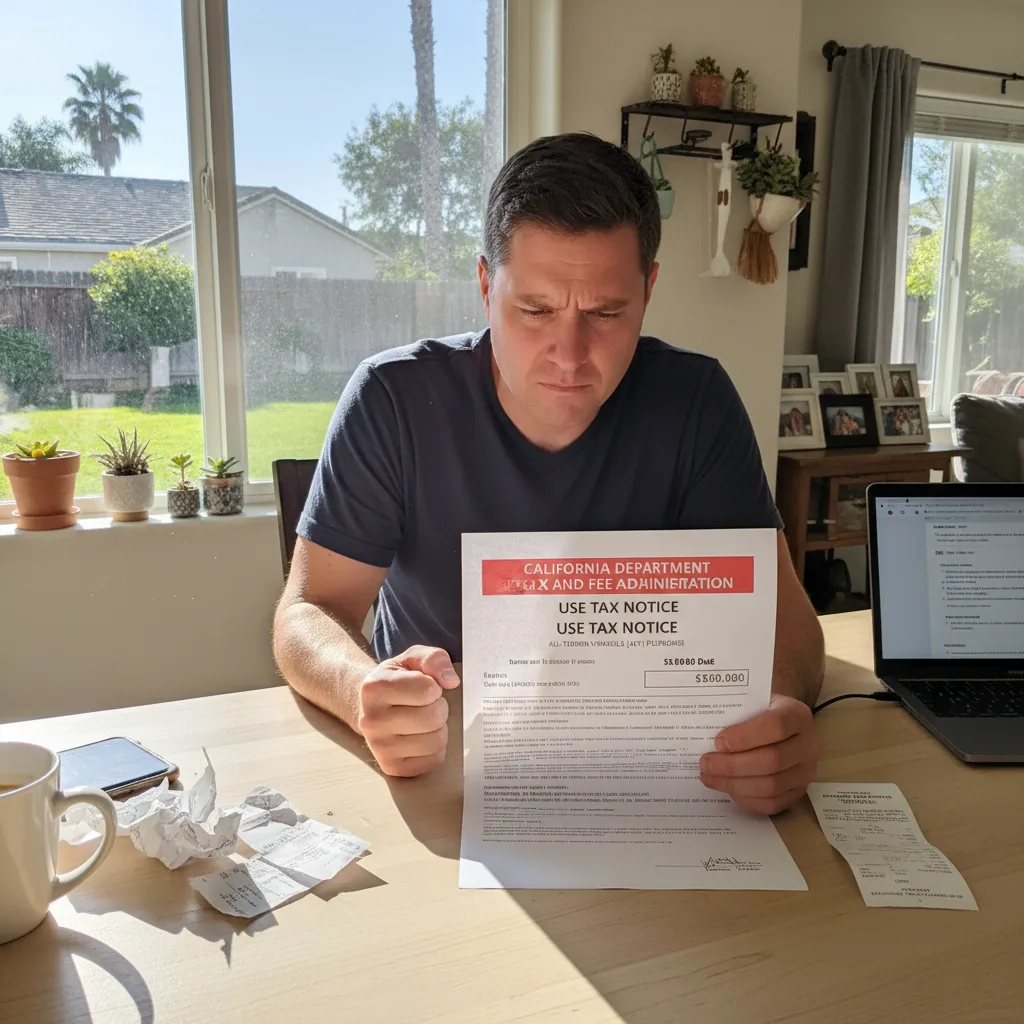
The CARB system is genuinely confusing, and that is not an accident. California has spent the last twenty years tightening off-road emissions rules, and the current state of play is that any new ATV or UTV sold for use in California has to meet a specific set of CARB emissions standards. If the manufacturer certified the model to meet those standards, it gets a Green Sticker. If it did not, the buyer has two paths, and neither one is great.
What “CARB compliance” actually means: California regulates HC+NOx and evaporative emissions. Manufacturers test each model and submit data to CARB, which issues an Executive Order (EO) for models meeting the standard. The EO number makes a machine Green Sticker eligible. Certification is model- and calibration-specific — change the engine map or exhaust enough and the EO no longer applies.
Not every model earns CARB certification every model year. Can-Am has periodically skipped certification on Maverick X3 trims, particularly the high-output turbo variants where calibration prioritizes power. Polaris has similar gaps on certain RZR Pro R and Turbo R configurations year to year. Yamaha and Honda generally certify their full lineups; Kawasaki is consistent on Teryx and Mule. The eligible list changes annually — a model that qualified in 2023 is not guaranteed in 2024.
The 2022 cutoff is the part that traps the most buyers. Before 2022, non-CARB-compliant vehicles got a Red Sticker and were restricted to certain riding seasons depending on the OHV area. As of January 2025, California restored year-round riding to Red Sticker vehicles, which was a meaningful win for owners of older non-compliant machines. But Red Sticker eligibility is limited to model year 2021 and earlier. If you buy a 2022 or newer UTV that does not meet CARB standards, you cannot get any sticker. Not Green, not Red. Your machine is private-land-only as far as California is concerned.
This is where buyers get hurt. The scenario plays out the same way every time: a California buyer walks into a dealership, signs the paperwork on a brand-new high-performance UTV, pays roughly $4,000 in sales tax, then discovers at the sticker application that the specific trim was never CARB-certified for the current model year. No sticker available, no appeals process. The machine cannot legally enter a California SVRA. Dealers are not required to disclose CARB status at the point of sale, and many sales reps either don’t know or don’t volunteer it. By the time the buyer learns the truth, the sales tax check has cleared.
Montana registration does not solve CARB — that is a California emissions law tied to where the vehicle is operated. But it does eliminate the four-thousand-dollar tax mistake. If a buyer ends up with a private-land-only machine anyway, paying California sales tax for the privilege adds insult to injury.
The CARB system applies regardless of where the vehicle is registered. A Montana LLC plate does not change which California sticker your machine qualifies for, and it does not change which California OHV areas you can legally enter. Montana plates solve the tax and the renewal hassle. Stickers and CARB are a separate issue.
What Montana fixes and what it doesn’t:
One small bit of 2025 news worth flagging: California passed SB 586, which created a new electric motorcycle OHV classification. If you are looking at the new wave of electric dirt bikes and pure-electric UTVs, that classification matters and the rules around it are still being worked out. The other 2025 change is a new safety video requirement for anyone applying for their first California OHV permit. Existing riders are not affected.
The bigger point: California’s emissions and sticker rules are a layer that exists on top of registration, not because of it. Montana registration changes the tax and renewal layer. It does not pretend to change anything else.
California’s OHV destinations
Whatever the state’s tax policy looks like, the riding is real. California has more genuinely great OHV destinations than any other state: coastal dunes, volcanic rock desert, Sierra granite, and everything in between.
Glamis (Imperial Sand Dunes Recreation Area)
This is the one. Forty thousand acres of soft sand dunes in the Imperial Valley, managed by BLM, and the unofficial winter capital of UTV culture in the western U.S. The dune field stretches more than 40 miles along Highway 78. Signature features: Olds Dune (the steep face that’s been the unofficial test piece for high-horsepower UTVs for thirty years), the China Wall (a long razor ridge through the central field), Oldsmobile Hill, Patton Valley, and the Gecko area’s gentler whoops for new riders and kids.
Thanksgiving weekend at Glamis is the busiest single weekend in American off-highway recreation history — BLM reports peak attendance into the six figures, with the dune field transforming into a temporary city of fifth-wheels, toy haulers, and machines worth more than the average American’s car. President’s Day weekend runs a close second.
Access: a seasonal Imperial Sand Dunes permit runs $185 for late October through April; weekly permits ($50) cover one-off trips. As BLM land, access is governed by federal rules rather than California’s sticker program. Summer temperatures exceed 115°F and the area effectively shuts down June through September. Dispersed camping is free within the recreation area.
Ocotillo Wells SVRA
Eighty-five thousand acres of state-managed riding east of San Diego, free to enter with a California OHV sticker. Terrain is genuinely varied: volcanic rock at Devil’s Slide and Shell Reef tests rock-crawling skill, sandy washes wind for miles, and rolling hills in the central area suit beginner ATVs through experienced UTVs. Pumpkin Patch and Blow Sand Hills are the landmark features. Anything from a Honda TRX250 up through a fully built X3 works here. Year-round access. Under two hours from San Diego — the de facto weekend destination for the San Diego and Inland Empire crowds.
Pismo State Beach / Oceano Dunes SVRA
The only place on the California coast where you can legally drive a UTV on the actual ocean beach. About 3.5 miles of OHV access along the Pacific. Crowded on summer weekends, magical on weekday mornings in shoulder season. State Parks operates it, and a California OHV sticker is generally required.
Hungry Valley SVRA
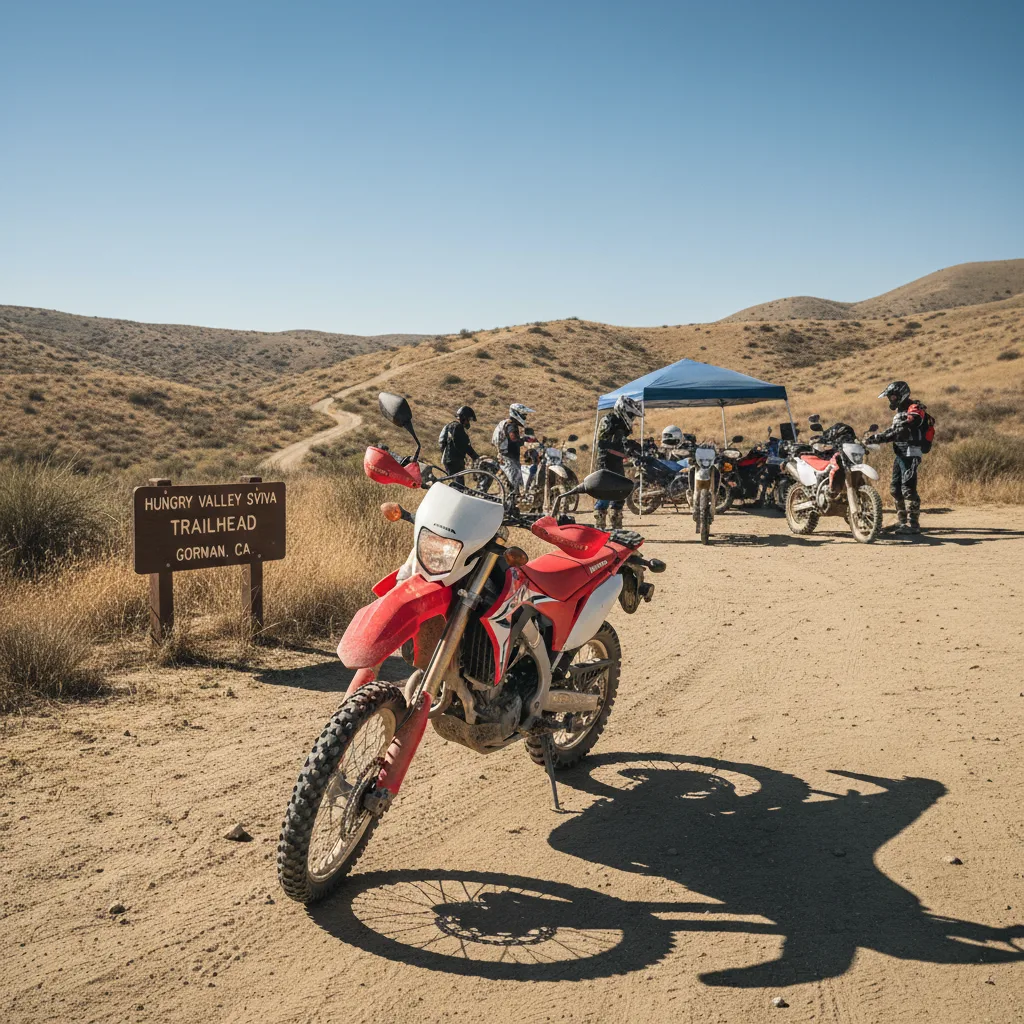
Nineteen thousand acres near Gorman, an hour north of LA off I-5, operated by California State Parks. Open year-round. Unusual terrain mix for a SoCal SVRA: chaparral hillsides, oak-lined canyons, dry creek beds, decomposed granite climbs, and rocky technical sections. Trail system runs more than 130 miles, from green beginner loops up to black-diamond climbs. Trail UTVs (Polaris Ranger, Kawasaki Mule, Honda Pioneer) work for moderate trails; sport UTVs with long-travel suspension handle the climbs. California OHV sticker required, day-use around $5, on-site camping with hookups. For greater LA owners — Santa Clarita, the SFV, Ventura County, the foothill cities — this is the closest legitimate riding without a four-hour drive to Glamis. Gets busy on weekends; best ridden weekday or shoulder season.
Dumont Dunes OHV Area
BLM-managed sand dunes in the Mojave Desert, remote, and most popular from late fall through early spring. Smaller and rougher than Glamis, but for that reason less crowded. Federal land, BLM rules apply.
Jawbone Canyon OHV Area
About 30,000 acres near Ridgecrest on BLM land. Volcanic rock, desert washes, and Sierra foothill terrain. A favorite for owners who like rocky technical riding rather than pure dunes. Year-round access.
Prairie City SVRA
Six hundred-eighty acres east of Sacramento, the most accessible OHV park for the Sacramento and northern Central Valley crowd. Tight, twisty trails. A great beginner area and a good place to dial in a new machine before hauling it three hundred miles south.
Carnegie SVRA
East Bay riding near Livermore. Clay and decomposed granite, hills steep enough to test a real UTV’s capability, and within day-trip distance of San Francisco, San Jose, and the entire Tri-Valley.
Quick rule of thumb on access with Montana plates: BLM-managed areas (Glamis, Dumont, Jawbone) operate under federal rules and are generally accessible. State Vehicular Recreation Areas (Ocotillo Wells, Hungry Valley, Pismo, Prairie City, Carnegie) typically require a current California OHV sticker. Always verify current access rules with each specific area before riding.
Four California Buyers Who Switched to Montana
These four buyers are composite profiles of the kinds of clients who go through this process. Vehicles, locations, tax math, and county rates are accurate. Names are not. The numbers are what matter.
Roberto — Los Angeles Contractor, 2024 Polaris Ranger XP 1000
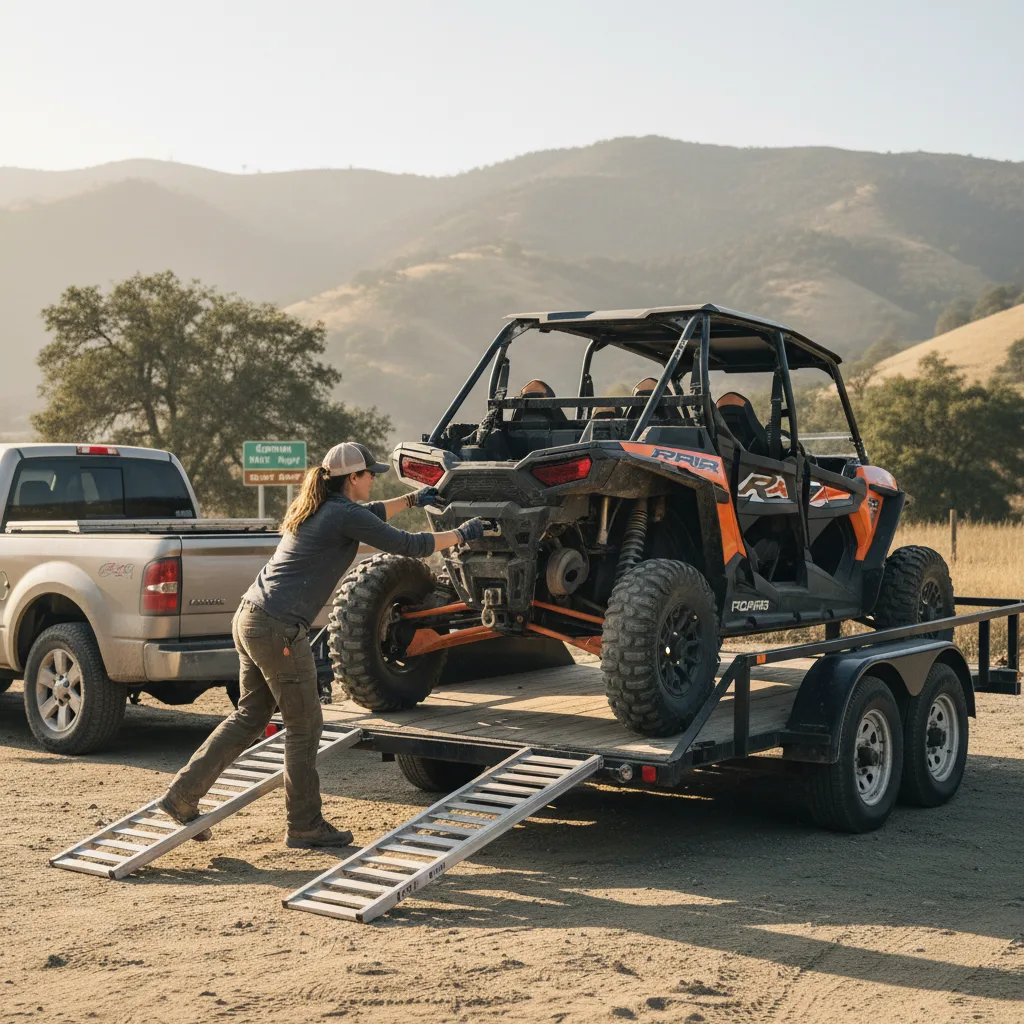
Roberto runs a general contracting business out of Torrance. He bought a 2024 Polaris Ranger XP 1000 to use on jobsites — hauling lumber across raw lots, moving tools, plus weekend trips to Hungry Valley with his kids. MSRP came in at $22,000 before he started adding options.
LA County’s combined sales tax rate sits at about 10.25 percent in his area. On a $22,000 machine, that is $2,255 in sales tax due at the dealership. Plus a $54 OHV sticker every two years, which is the trivial part.
His Montana route through Zero Tax Tags: UTV registration service fee starts at $649, plus $200 to form the LLC he didn’t already have. Total: $849. Permanent Montana plate, no annual renewal, no sticker hassle.
Net result: $1,406 saved in the first year, and the savings keep accruing every year after that as he avoids the every-two-year sticker fee. Break-even on the Montana fee versus the sales tax bill happens before he’s owned the Ranger three months.
Jessica — San Diego Nurse, 2024 Honda TRX520 Rubicon
Jessica works as a nurse at a Chula Vista hospital. She bought a 2024 Honda TRX520 Rubicon — solid, reliable, the kind of ATV you can keep for fifteen years — for $11,500 from a dealer in San Diego County. She rides Ocotillo Wells most weekends in winter and makes the trip out to Glamis for Thanksgiving with friends every year.
San Diego’s combined rate is 7.75 percent, on the lower end for California. Her tax bill: $892.
Through Zero Tax Tags: ATV starts at $549, plus $200 for the LLC. Total: $749.
Her savings are smaller in absolute terms — $143 in year one — but she gets a permanent plate and never pays a sticker renewal again. Over a ten-year ownership horizon she ends up several hundred dollars ahead, with zero registration hassle. Honest framing: at this price point and this tax rate, Montana is a wash-to-mild-win, and the real benefit is the no-renewal convenience rather than the tax savings. If Jessica had been in LA County with a 10.25 percent rate, the math would have looked very different.
James — San Jose Tech Manager, 2025 Can-Am Maverick X3 Turbo RR
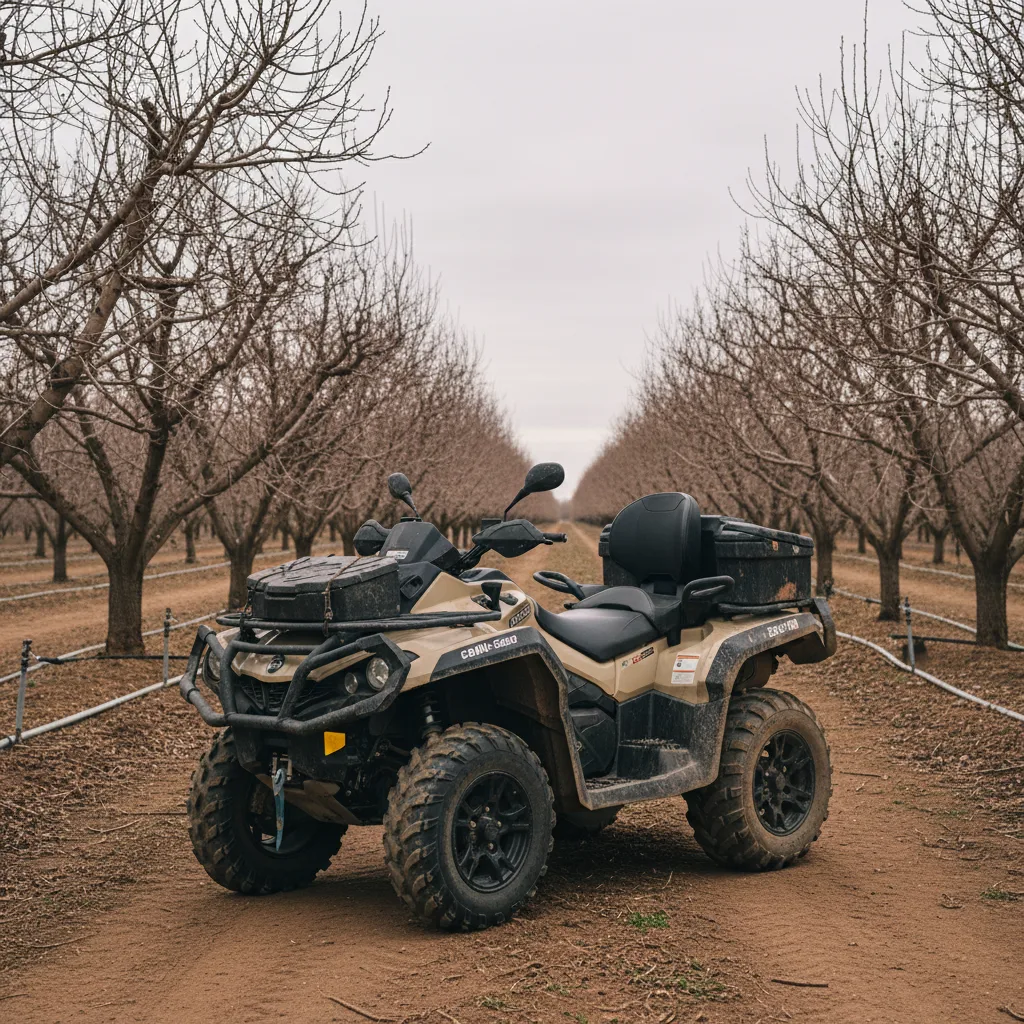
James is an engineering manager at a Bay Area software company. He bought a fully optioned 2025 Can-Am Maverick X3 Turbo RR for $40,000. He keeps a small property in Nevada for weekend riding and hauls the machine south to Hungry Valley a few times a year.
Santa Clara County’s combined rate is 9.375 percent. On $40,000, the California sales tax bill is $3,750. On top of that, he’s looking at a brand-new 2025 model where CARB compliance status varies by trim and option package — exactly the situation where you can end up buying a $40,000 machine that no California OHV sticker will fit.
Montana route: UTV starts at $649, plus $200 LLC. Total: $849.
Year-one savings: $2,901. Plus the permanent plate works regardless of CARB status for the parts of his riding that happen in Nevada and on out-of-state property — Montana title and plate doesn’t care about a California emissions program.
The Hernandez Family — Lodi Vineyard Operators, Three ATVs
The Hernandez family runs a vineyard operation in Lodi, San Joaquin County. They use three Honda Rancher and Foreman ATVs for vineyard rows, ranch chores, and the occasional family weekend. They bought all three machines in the same calendar year, averaging about $10,000 per unit.
San Joaquin County combined rate: 8.75 percent. Sales tax per ATV: $875. Across three machines: $2,625 in total sales tax owed at the dealer.
Through Zero Tax Tags: ATV starts at $549 each. All three machines registered under one Montana LLC, with the LLC formed once for $200. Total: $1,847.
Year-one savings: $778, plus three permanent plates with zero renewal obligation. Every year going forward they avoid the $54-every-two-years sticker fee on three machines, which adds another $81/year in ongoing savings. The bigger gain is operational: one LLC, one filing, one set of plates that never need updating, regardless of how many work ATVs they end up adding to the fleet.
How Montana LLC registration works
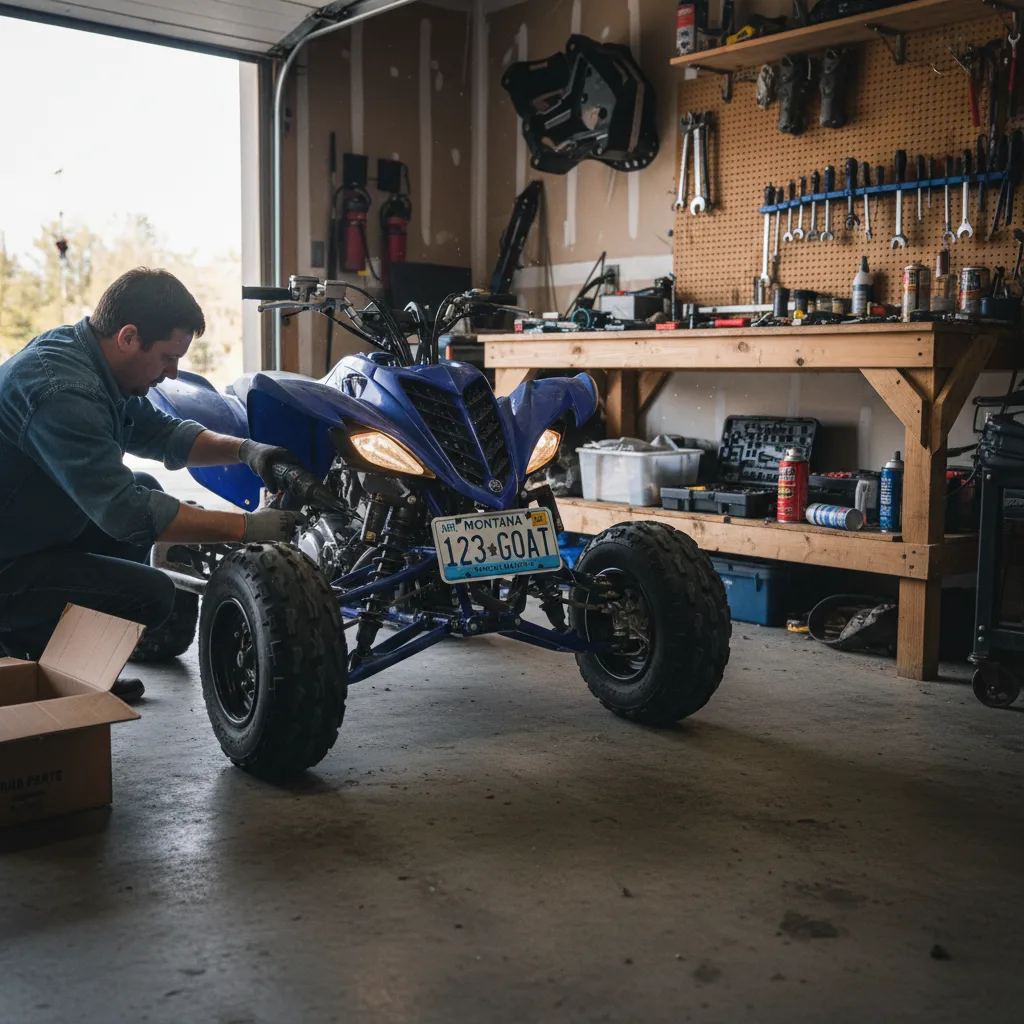
Montana has no statewide general sales tax. Zero. That is the foundation of every Montana LLC vehicle play, whether the vehicle is a Porsche, a Class A motorhome, or a Honda Foreman. The state government runs on income tax and tourism revenue rather than retail consumption, and the result is that the purchase of a vehicle by a Montana-titled entity does not trigger any sales tax obligation.
The mechanism for an out-of-state buyer is straightforward. You form a Montana LLC. The LLC takes title to the vehicle. The vehicle is registered under Montana plates. For off-highway vehicles — ATVs, UTVs, side-by-sides, dirt bikes, snowmobiles — Montana issues a permanent plate. No annual renewal, no every-two-years sticker, no recurring fee. The plate is good for the life of the vehicle under that LLC’s ownership.
Pricing through Zero Tax Tags:
Multi-vehicle setups are common. Once you have the LLC, additional ATVs or UTVs registered under the same entity just need the registration service fee. The LLC fee is paid once.
A note on what Montana plates actually represent: this is real ownership and real registration. The LLC is a legitimate Montana legal entity, properly formed with the Secretary of State, with annual reports filed and a Montana registered agent. The title sits in the LLC’s name. The plates are issued by Montana to the registered owner of record. There is nothing fake about it — it is simply that the registered owner of record happens to be a Montana LLC rather than a California individual.
Is this legal?

Yes. The straightforward answer is yes, and the reasons are well-settled.
A Montana LLC is a legitimate business entity formed under Montana state law. California residents are explicitly allowed to own LLCs in other states — Delaware LLCs, Nevada LLCs, Wyoming LLCs, and Montana LLCs are all routinely owned by individuals and businesses from outside those states. This is settled corporate law. An LLC can own property, including vehicles. The vehicle’s owner of record is the LLC. The LLC is domiciled in Montana. The vehicle is registered in Montana. Each of those statements is independently accurate and legally clean.
The federal commerce clause protects interstate commerce, which includes the ownership and registration of vehicles by entities that operate across state lines. A Montana LLC titling and registering its property in Montana is exactly the kind of routine interstate activity the Constitution explicitly contemplates.
On the question of legitimate tax planning, courts have consistently confirmed the principle. The Supreme Court has held since Gregory v. Helvering in 1935 that “the legal right of a taxpayer to decrease the amount of what otherwise would be his taxes, or altogether avoid them, by means which the law permits, cannot be doubted.” Lower courts have followed that principle in vehicle and LLC contexts. Thomas v. Bridges is one of the cases often cited in the off-road and motorhome world for confirming that out-of-state LLC ownership of vehicles is a legally permissible tax planning structure when properly executed.
How owners actually use the vehicles is a factual question. Many of our clients use their machines at California OHV areas (under California’s separate sticker rules, where applicable), at out-of-state properties where they spend significant time, and during interstate travel. The Hernandez family operates a vineyard. James spends weekends at his Nevada property. Roberto’s Ranger sees jobsite work and Hungry Valley weekends. These are factual descriptions of real use patterns under a Montana LLC structure.
Buying in California vs. Buying Out of State
A common DIY strategy that almost never works the way buyers hope: drive to Nevada, Oregon, or Arizona to buy in a lower-tax state, then bring it home. Oregon has no general sales tax. Nevada’s combined rates can run below California’s. Both look like obvious tax-arbitrage plays on the surface. They are not.
California’s use tax is the trap. Under Revenue and Taxation Code section 6201, any tangible personal property bought outside California and brought in for use here is subject to California use tax at the buyer’s local rate — same percentage as sales tax, owed by the buyer rather than collected by the seller. Buy a $40,000 UTV in Reno, trailer it home to Sacramento, and you legally owe Sacramento County’s 8.75 percent use tax to the California Department of Tax and Fee Administration. The state has years to assess, and border-state dealers routinely share buyer information with California through cooperative enforcement agreements.
The Montana LLC structure resolves this cleanly because the buyer is not the one buying the vehicle. A Montana-domiciled LLC purchases and titles the vehicle in Montana from day one — no California resident on the title for use tax to attach to. This is why Montana LLC structures became the standard approach decades ago for motorhomes, exotic cars, and now off-highway vehicles. The Nevada-or-Oregon DIY purchase, by contrast, leaves the California buyer personally on the hook with no corporate entity in between.
Who this is built for
Montana registration makes the most sense when the purchase price is high and the county rate isn’t low. Here are the California buyer profiles where the math tends to be lopsided.
UTV buyers above $20,000 in any California county — if your combined rate is anywhere in the typical California range, the purchase tax alone exceeds the total Montana fee. Break-even is fast, and the permanent plate keeps saving from there.
Bay Area buyers in Alameda, Santa Clara, San Mateo, and San Francisco County face combined rates of 9.375 to 9.875 percent. A mid-range $25,000 UTV generates $2,300+ in sales tax at purchase. Montana registration cuts the bill to under $850.
LA buyers at 9.5 to 10.5 percent — the most expensive corner of California to buy any vehicle. A $30,000 UTV in LA County generates over $3,000 in sales tax. There’s essentially no scenario at this rate where Montana doesn’t win.
Multi-vehicle farm and ranch operators: vineyards, ranches, almond and citrus operations running multiple work ATVs. Stack the vehicles under one LLC and the per-vehicle savings compound. The Hernandez case is the template.
Buyers of 2022-and-newer machines facing CARB uncertainty. If your dealer hasn’t confirmed Green Sticker eligibility on the specific trim you want, or you’ve already discovered the machine won’t qualify, Montana removes the registration question entirely. The plate is clean regardless of CARB. California OHV access rules still apply separately, but the title doesn’t hang on them.
Owners keeping machines for 8 or more years. Longer ownership amplifies both the eliminated sticker renewal fees and the operational benefit of a plate that never needs administrative attention.
Working photographers hauling cameras into the Eastern Sierra or the Mojave need a UTV that doubles as mobile studio. Fully optioned Pioneer 1000s and Polaris Generals run $25K to $32K plus racking. Sales tax on that build in any California metro runs $2,500+, eliminated entirely with a Montana title.
North Bay vineyard operators: properties from Calistoga through Sonoma Valley frequently run three to six work UTVs. Napa’s combined rate is 7.75 percent, Sonoma’s 9.0 percent. An estate buying four $22,000 Rangers faces $6,800 to $7,920 in California sales tax across the fleet. Consolidated under one Montana LLC, the all-in cost drops to roughly $2,800.
Construction and landscape companies running fleet UTVs in places pickups can’t reach. A company running four to six Polaris Pro XDs, Kawasaki Mule Pro-FXRs, or John Deere Gators easily faces $10,000+ in California sales tax on a single buying cycle. Fleet consolidation under one Montana LLC turns that into a one-time service fee per machine.
Under $12,000 purchase price and curious if it still makes sense? Call us and we’ll run the exact break-even for your county and your vehicle for free. Sometimes the answer is yes, sometimes the answer is “save your money on this one.” Either way you’ll know.
The Zero Tax Tags Process
Start to plates in about a week. No DMV lines, no trip to Montana. The actual day-by-day:
| Day 1: | You submit your information through our client portal — vehicle VIN, photos of title or bill of sale, signed authorization documents. We file your Montana LLC formation paperwork with the Montana Secretary of State the same day. |
| Days 1–2: | Montana LLC formation is processed and confirmed. Articles of organization are recorded. Registered agent is in place. |
| Days 2–4: | We process the title transfer into the LLC’s name at the Montana county treasurer’s office. This is where the actual registration happens and where Montana issues the plate number. |
| Days 4–7: | Your permanent Montana plates ship to whatever address you specify. Title and registration documents follow. You bolt the plate on and you’re done — permanently. |
About a week total, with no DMV lines, no county tax assessor visits, and no annual paperwork ever again.
FAQs
Does Montana registration fix my CARB compliance issue?
No. CARB is a California emissions law that applies to vehicles based on where they are operated, not where they are registered. Montana plates do not change which California OHV areas you can legally access under California’s sticker program. What Montana registration does fix is the sales tax bill at purchase and the recurring sticker renewal fee. Those are separate issues from CARB compliance, and Montana resolves them cleanly.
Can I still ride at Glamis and Ocotillo Wells with a Montana-registered UTV?
Glamis (Imperial Sand Dunes Recreation Area) is managed by the federal Bureau of Land Management. BLM rules govern access there, and a California-issued OHV sticker is not generally required on BLM land — verify current rules before you go. Ocotillo Wells is a California State Vehicular Recreation Area run by California State Parks, and SVRAs typically do require a California OHV sticker for vehicles used on the property. Bottom line: BLM areas (Glamis, Dumont, Jawbone) are generally more flexible; SVRAs (Ocotillo Wells, Hungry Valley, Pismo, Prairie City, Carnegie) have their own access requirements. Always check current rules with each specific area.
What does Montana registration cost?
ATVs start at $549 for our service fee. UTVs and side-by-sides start at $649. Add $200 for the Montana LLC formation if you don’t already have one. After registration, your annual cost is $0 — Montana issues permanent plates for off-highway vehicles.
How long does it take?
About a week from when we receive your documents to when permanent plates arrive at your door. LLC formation happens on Day 1, title transfer in days 2 through 4, plate shipment by day 7.
Can I put multiple vehicles under one LLC?
Yes. Families with multiple riders, farms with several work ATVs, and ranchers with mixed UTV and ATV fleets routinely consolidate everything under one Montana LLC. The LLC formation fee is paid once. Each additional vehicle is just the registration service fee.
What if I sell the vehicle later?
The LLC sells the vehicle just like any other owner — title is transferred from the LLC to the new buyer. The LLC continues to exist for any other vehicles you have under it, or can be dissolved if it’s no longer needed.
Do I need a Montana address?
No. Your Montana LLC uses our Montana registered agent address for state compliance purposes. Your personal mailing address can be anywhere, including California.
Start your Montana LLC
Ready to Stop Overpaying California Taxes?
California ATV and UTV owners are paying some of the highest purchase taxes in the country. Montana LLC changes that from day one.
More California Vehicle Tax Solutions
Moving to California
avoid the DMV vehicle tax trap (2026 guide)
Failed Smog Check
How Montana Plates End the Emissions Nightmare
Firing the DMV
The Real Cost of Waiting in Line Instead of Dri…
California UTV Street Legal 2026
The CARB Trap and Montana’s Tax-Free Alte…
California Killed Your Diesel
Truck. Montana Brings It Back to Life.
California Registration Penalties
How to Escape the $2,000 Trap
California Vehicle Tax 2026
The VLF Trap and Why Smart Money Is Leaving
California ATV & UTV Registration 2026
Skip the 7.25% Tax with Montana LLC