32 min read
On this page
- + Moving to California: the dream vs. the DMV reality
- + The 20-day ticking clock (CVC 4000.4)
- • The use tax ambush
- • The Vehicle License Fee: California’s property tax on wheels
- • What late registration actually costs you
- + The logistical labyrinth (why AAA can’t save you)
- • The smog check gauntlet
- • The CHP VIN verification backlog
- • The title surrender
- + Special cases of hell
- + What this actually costs: the full financial picture
- + The strategic solution: the Montana move
- + Real-world cases
- + How to get started
- + Frequently asked questions
- + Don’t pay the California welcome tax
Moving to California with a vehicle you already own is not a paperwork errand. It is a financial ambush dressed up as a residency requirement. The state has spent decades building a system that treats every out-of-state license plate as a wallet to be opened, and the moment you sign a California lease, accept a California job, or spend more than six months on California soil, the meter starts running. You have 20 days to surrender to it, or the penalties begin compounding.
The brochure version of moving to California sells you ocean views, year-round sunshine, and a tech economy that prints six-figure salaries. The fine print costs you thousands of dollars before you have even unpacked the kitchen. Use tax. Vehicle License Fee. Smog certification. CHP VIN verification. Title surrender. A new title fee. Registration. County and district sales tax stacked on top of the use tax. By the time the DMV finally hands you a sticker, your “free” cross-country move can quietly cost more than the U-Haul.
This is not a bureaucratic accident. It is by design. California has the most aggressive vehicle taxation regime in the United States, and the welcome it extends to new residents is structured to extract as much value from your existing assets as legally possible in the shortest possible time. The good news is that thousands of people moving to California have already figured out the lawful exit ramp, and it is built on the same federal commerce protections that let trucking companies, leasing firms, and rental fleets operate across state lines without paying tribute to every jurisdiction they pass through.
Moving to California: the dream vs. the DMV reality

You took the offer. Maybe it was a senior engineering role in Mountain View, a creative director gig in Culver City, or a remote software job that finally let you live walking distance to the Pacific. The signing bonus covered the security deposit. The relocation package paid for the movers. You drove west in your own car, the one you bought four years ago in Texas or Tennessee or Ohio, and parked it in front of your new apartment. For about a week, everything felt like the version of California you were promised.
Then the practical questions started. Your insurance company asked for your new address. Your bank wanted a California ID. Your employer’s HR system flagged your out-of-state license as a tax compliance risk. You went to the DMV website to update your driver’s license, and a single line of bureaucratic text rearranged your weekend: You must register your vehicle within 20 days of becoming a California resident.
You clicked through to find out what registration costs. The page does not give you a number. It gives you a calculator with seven inputs, three disclaimers, and a footnote about smog certification. You enter your VIN. The result is not a fee. It is a sentence: Your registration may also be subject to use tax based on the purchase price of your vehicle. You scroll down. The use tax line item alone, on a car you already own and already paid sales tax on in another state, is more than your monthly rent.
The state is not asking you to update your registration. It is asking you to repay sales tax on a car you bought years ago, plus a Vehicle License Fee, plus a transfer fee, plus a smog certification, plus a CHP inspection, plus a title surrender. The cost of bringing your existing car across the border is, in many cases, several times the cost of the actual move.
The 20-day ticking clock (CVC 4000.4)
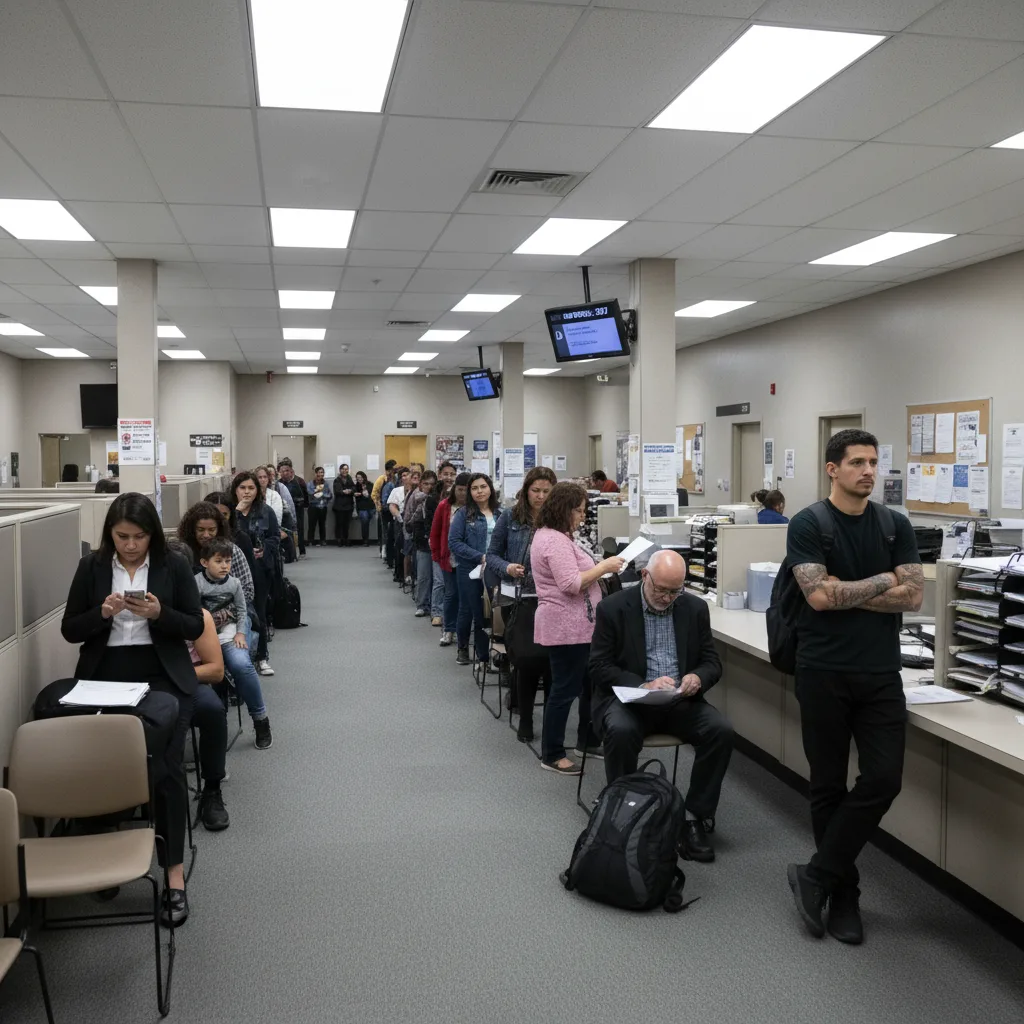
California Vehicle Code section 4000.4 is the trap door. It states that any vehicle owned by a California resident, or used in California for a sustained business or personal purpose, must be registered with the California DMV within 20 days. The clock does not start when you decide to register. It starts on the day California decides you became a resident, and California gets to make that determination after the fact, with hindsight, using whatever evidence is most convenient.
Signing a residential lease counts. Accepting California employment counts. Enrolling a child in a California public school counts. Registering to vote counts. Opening a homestead exemption counts. Spending more than six months in California during any twelve-month period counts. You do not have to mean to become a resident. You only have to do something that creates the legal presumption of one.
Once that 20-day window opens, you are on the hook for the full California registration package. There is no grace period for cross-country movers. There is no exemption for vehicles you already paid sales tax on elsewhere. There is no break for active military, retirees, or people who plan to leave again in two years. The DMV treats a four-year-old Tacoma the same way it treats a brand-new Tesla: a taxable event waiting to be processed.
The use tax ambush

The single most expensive surprise in the registration process is the California use tax. If you bring a vehicle into California within 12 months of purchase, the state will assess use tax on the original purchase price at the full California rate, which ranges from 7.25% in low-tax counties to 10.25% or more in cities like Los Angeles, Long Beach, and parts of Alameda County. Use tax is not a transfer fee. It is sales tax, retroactively applied, on a transaction California had nothing to do with.
You already paid sales tax in your home state when you bought the car. That payment buys you exactly nothing. California will give you a partial credit only if your home state’s tax rate equals or exceeds the California rate, which is rare, and even then the credit applies only to the state portion, not the local district add-ons. In practice, a buyer who paid 6.25% sales tax in Texas and moves to Los Angeles within 12 months of purchase will owe California the difference, plus the Los Angeles district tax, plus penalties if the registration is late.
The 12-month rule is the line that decides whether use tax is a manageable line item or a five-figure shock. Cross the border on month 11, and California assumes the move was structured to avoid use tax, and bills you accordingly. Cross on month 13, and the state still wants use tax unless you can document continuous out-of-state use. The Board of Equalization will ask for fuel receipts, insurance records, employment records, and registration history to prove the vehicle was actually used outside California for the prior year.
Here is what use tax alone looks like at common vehicle values, calculated at a typical Los Angeles County rate of 9.5%:
Totals include base registration, title transfer, county fees, and CHP fees. The use tax is by far the largest line item, and it is unavoidable through the standard DMV process if your purchase falls inside the 12-month window.
The Vehicle License Fee: California’s property tax on wheels
Use tax is the welcome punch. The Vehicle License Fee is the recurring annual bill that arrives every year for as long as the car is registered in California. The VLF is calculated at 0.65% of the vehicle’s value as determined by the DMV, and it is functionally a personal property tax administered through the registration system. It does not pay for road maintenance, fuel infrastructure, or DMV operations. It flows into the general fund.
The VLF declines slightly each year as the DMV depreciates the assessed value, but it never reaches zero. A $50,000 vehicle starts at $325 in year one, drops to roughly $277 in year two, then $234, then $195. By year ten, the VLF is still $90 or so. Over a decade, the same car generates more than $2,000 in VLF alone, on top of base registration fees, weight fees, county fees, and the smog abatement surcharge.
For higher-value vehicles, the VLF becomes its own annual hardship. A $100,000 SUV produces a first-year VLF of $650. A $150,000 luxury sedan produces almost $1,000 in year one. A $200,000 exotic, kept in California for ten years, will surrender more than $8,000 in VLF over its lifetime, plus the original use tax shock at registration. None of that money buys you anything other than the right to keep your car parked in your own driveway.
What late registration actually costs you
The 20-day deadline is not a guideline. The DMV calculates penalties as a percentage of the registration fees and VLF, and the percentage escalates fast. Miss the deadline by a day, and the system flags your registration as late. Miss it by a month, and the late fees stack on top of every other line item. The penalty schedule for new California registrations works like this:
The DMV does not send a courtesy reminder when your 20 days expire. CHP officers, by contrast, are trained to spot out-of-state plates on residential streets, in employer parking lots, and at school drop-off lines. A single citation for failure to register triggers an investigation that pulls your lease, your utility records, and your employment records. By the time the case closes, the penalties on a $50,000 car can exceed $4,000 on top of the original $5,055 first-year cost.
The DMV does not negotiate late penalties. Penalty waivers exist only for documented military deployment, hospitalization, or natural disaster. “I just moved” is not a defense. “I didn’t know” is not a defense. The clock runs whether you read the manual or not.
The logistical labyrinth (why AAA can’t save you)
If the financial pain were the only problem, you could write the check, swallow hard, and move on. The deeper trap is the operational one. Registering an out-of-state vehicle in California requires three independent agencies to certify three different things, in a specific order, with original documentation, in a system that was built when fax machines were considered modern. AAA, despite handling routine California renewals, cannot complete a new resident registration. Most online services cannot either. You will visit the DMV in person.
The smog check gauntlet
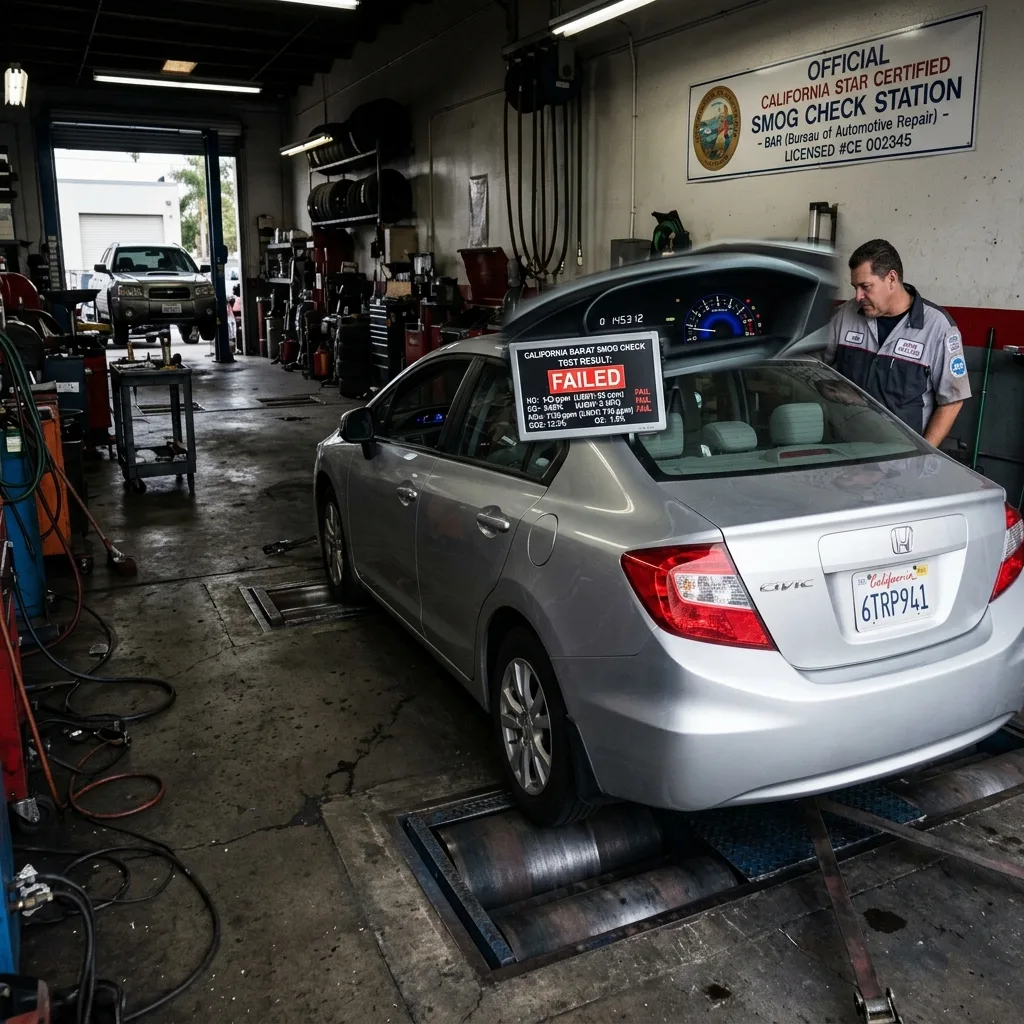
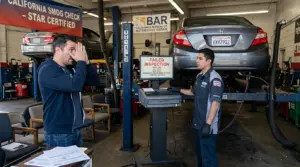
California requires a smog inspection on every vehicle registered for the first time, regardless of age, mileage, or current registration status, with narrow exemptions for the newest model years. The smog check is not a sniffer test. It is an OBDII data extraction in which the inspector plugs a scanner into your car’s diagnostic port and reads the readiness status of every emissions monitor on the vehicle. Under rules that took effect in October 2025, every monitor must report ready. A single not-ready monitor fails the test.
This rule destroys cars that have had their batteries disconnected, their ECUs reset, or any work that wiped the long-term emissions memory. It takes anywhere from 50 to 200 miles of specific driving conditions, called a drive cycle, to set the monitors back to ready. If your car was shipped from the East Coast on a flatbed, with the battery disconnected for the trip, you may need a week of careful highway and stop-and-go driving before it will pass.
Any aftermarket part that affects the emissions system must carry a CARB Executive Order number, called an EO number, that matches the part on the vehicle. Cold air intakes without an EO number are an automatic fail. Catless downpipes are an automatic fail. ECU tunes without CARB approval are an automatic fail. A check engine light, regardless of cause, is an automatic fail. A car that passed inspection in any of the other 49 states can be functionally unregistrable in California without thousands of dollars in part replacements.
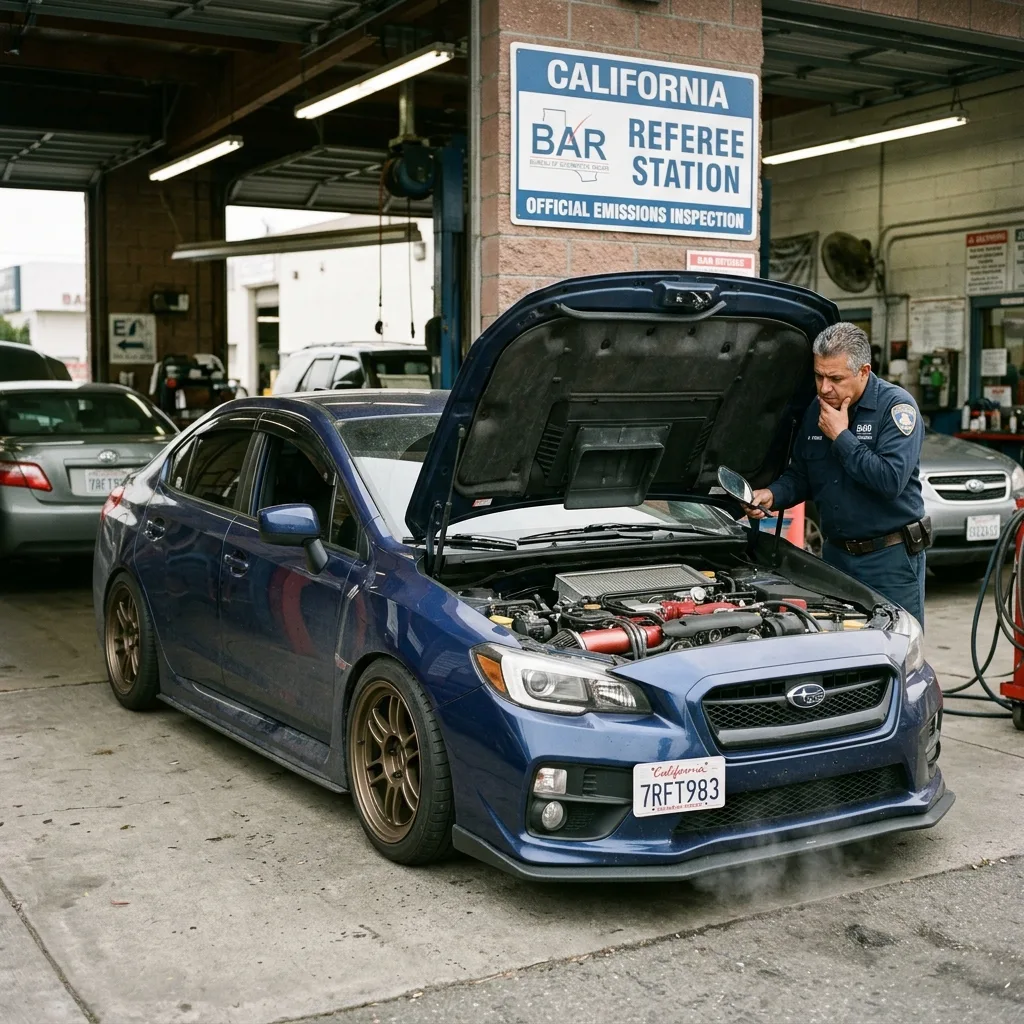
Vehicles with engine swaps, modified turbo setups, or any disputed failure get referred to a Bureau of Automotive Repair (BAR) Referee. The Referee program is supposed to give modified vehicles a fair hearing. In practice, the Referee will list every non-EO part on the car and will not certify the vehicle until each one is replaced or removed. The Referee does not bend rules. The Referee enforces them with more documentation than a roadside inspector ever would.
The CHP VIN verification backlog
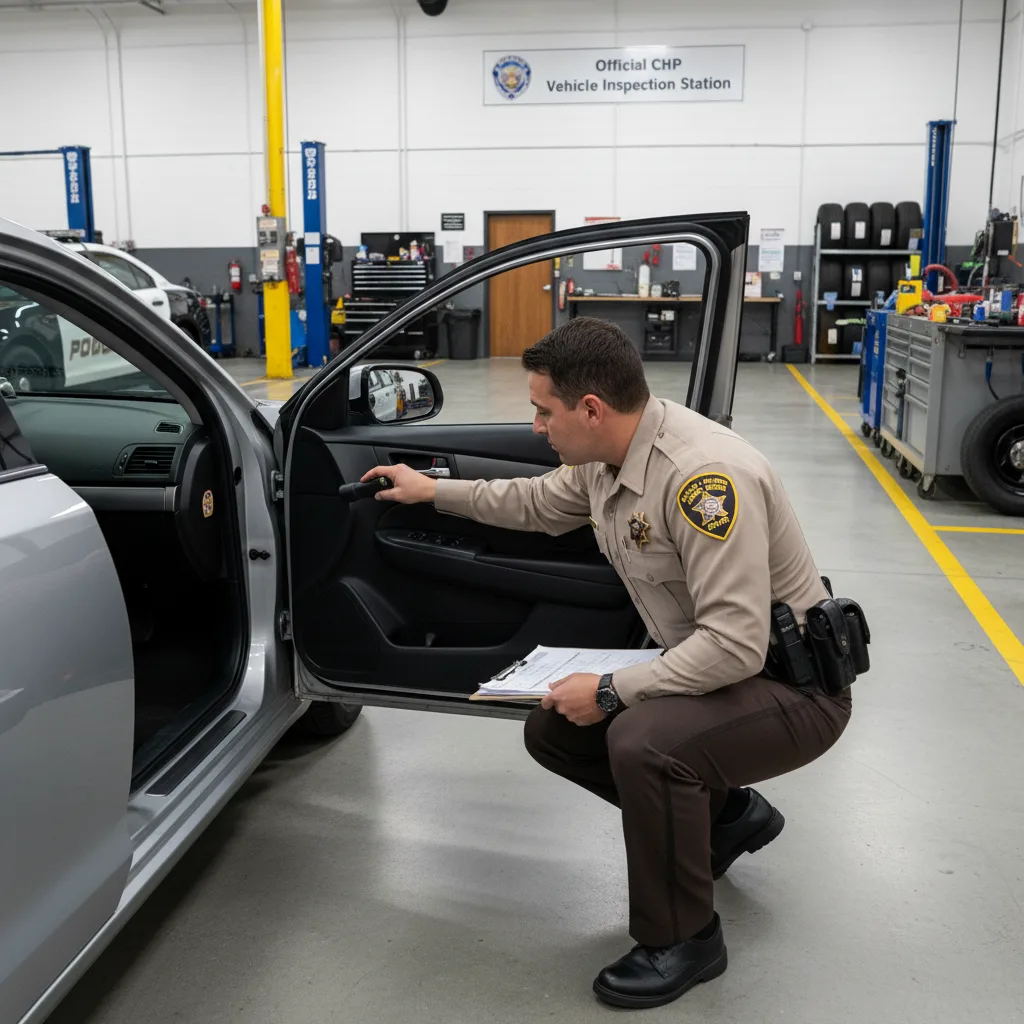
Once your car passes smog, the DMV will refer you to a California Highway Patrol officer for VIN verification. This is a physical inspection in which a CHP officer compares the VIN on the dashboard, the driver’s door jamb, and the engine block (when accessible) against the title and the smog certificate. The verification is not optional and cannot be performed at the DMV counter. CHP does not accept walk-ins for vehicle inspections. You must wait for a referral, then schedule an appointment.
In Los Angeles, San Francisco, San Diego, and Sacramento, the wait for a CHP VIN verification appointment runs anywhere from three weeks to several months. During that wait, your 20-day registration clock keeps ticking, and the late penalties keep accruing, even though the delay is the state’s fault. The DMV will not extend your deadline because CHP cannot fit you in. There is no fast-track option. There is no expedite fee.
For commercial vehicles, vehicles with rebuilt titles, vehicles missing manufacturer plates, and any vehicle the DMV flags as “specially constructed,” the CHP inspection becomes a deeper interrogation. Officers will ask for the build sheet, the original bill of sale, and prior registration histories from every state the car has lived in. A missing document at the appointment means a new appointment, weeks later, and another lap through the system.
The title surrender
The final indignity is the title surrender. California requires you to hand over your existing out-of-state title and pay for a new California title to be issued. If your home state issues electronic titles, you must first request a paper title from your old DMV, wait for it to arrive by mail, sign it, and bring it to a California DMV appointment. If your title is held by a lender, your lender must release it to California, which can take weeks of three-way correspondence.
Once California has your title, you cannot get it back. If you move out of California two years later, you must request your title from California, which charges a duplicate title fee, and then surrender that California title to your next state. The act of registering in California permanently severs your relationship with your home state’s title system, and California will not refund use tax, VLF, or any other fee if you leave.
Special cases of hell
The standard DMV process is brutal enough for an average sedan. A few categories of vehicles turn brutal into genuinely impossible.
Anyone moving to California with a tuned WRX, a built Mustang, a coil-over Civic, an LS-swapped 240SX, or a Euro car with an aftermarket exhaust faces an inspection process designed to fail them. Every part that touches the emissions system must have a CARB Executive Order number. Older mods, rare parts, and any tune that wasn’t certified by CARB cannot be made compliant without pulling the parts and going back to factory. Owners of project cars routinely spend $3,000 to $8,000 putting their cars back to stock just to pass smog, then sell the modified parts at a fraction of what they paid.
Motorcycle owners have it worse. Many bikes are sold in 49-state and California-spec versions. The California versions carry charcoal canisters, modified intakes, and other emissions equipment the 49-state version never had. A 49-state bike is legal to ride in California temporarily but cannot be registered there. Riders who move with a 49-state motorcycle have exactly one workable option if they want to keep the bike: register it in Montana and ride on permanent Montana plates.
Active-duty service members can keep vehicles registered in their home state under the Servicemembers Civil Relief Act, but the exemption is narrower than most assume. The moment a spouse establishes California residency through employment, school enrollment, or voter registration, any vehicle owned jointly or by the spouse falls under California rules. Military families frequently discover this distinction when they receive a registration delinquency notice two or three years into a California posting.
Workers who relocated to California on a one-year contract and planned to leave again face the same trap everyone else does. The 20-day registration rule does not care about your timeline. Sign a lease, and you owe California registration. Leave nine months later, and California keeps every dollar of use tax and VLF. Your next state charges another title fee. The whole cycle repeats.
RV and motorhome owners hit California’s VLF at the worst possible scale. Class A coaches sell in the $200,000 to $500,000 range, and the DMV calculates VLF against the original purchase price. A $250,000 motorhome generates a first-year VLF over $1,600, plus weight fees that can add $400 or more annually. Use tax on a recently purchased motorhome exceeds $25,000 in a high-rate county. Most RV owners moving to California Montana-plate their coach without a second thought.
Classic cars older than 1976 dodge smog, but they still face VLF, use tax, and a CHP VIN verification that gets more invasive when the inspector encounters hand-stamped VINs and plates that don’t line up with factory records. Modern exotics get it the worst. A new Porsche, Ferrari, or Lamborghini brought into California within 12 months of purchase generates use tax in the five-figure range and a VLF that clears $1,000 annually for the first several years.
What this actually costs: the full financial picture
Most newcomers to California focus on the first registration bill because it is the most painful single moment. The full picture is worse, because the VLF and base registration recur every year for as long as the car is on California plates, and the next vehicle you buy will carry California sales tax at the local district rate. The five-year cost of registering a single vehicle in California, compared with the same vehicle on Montana plates through an LLC, looks like this:
California totals include initial use tax, year-one VLF, base registration, county fees, smog certification, title fee, CHP verification, plus declining VLF over years two through five and annual base registration. Montana totals include $899 in year one ($699 service fee plus $200 LLC formation) and $120 per year LLC maintenance for years two through five. Montana’s permanent registration is $0 per year after the initial state fees, which are included in the year-one service.
The math is not subtle. On a $50,000 car, the Montana route saves more than $5,000 over five years. On an $80,000 truck or SUV, it saves nearly $9,000. On a $100,000 vehicle, the savings cross $11,000. None of those numbers include the late penalties, the wasted time at three different inspection appointments, the cost of bringing a modified car into smog compliance, or the cost of buying a stand-in beater car because your real car cannot pass California inspection.
The break-even moment for the Montana strategy is immediate. Year one alone, on any vehicle worth more than $25,000, recovers the $899 service fee several times over. Every year after that, the Montana route compounds the advantage.
The strategic solution: the Montana move
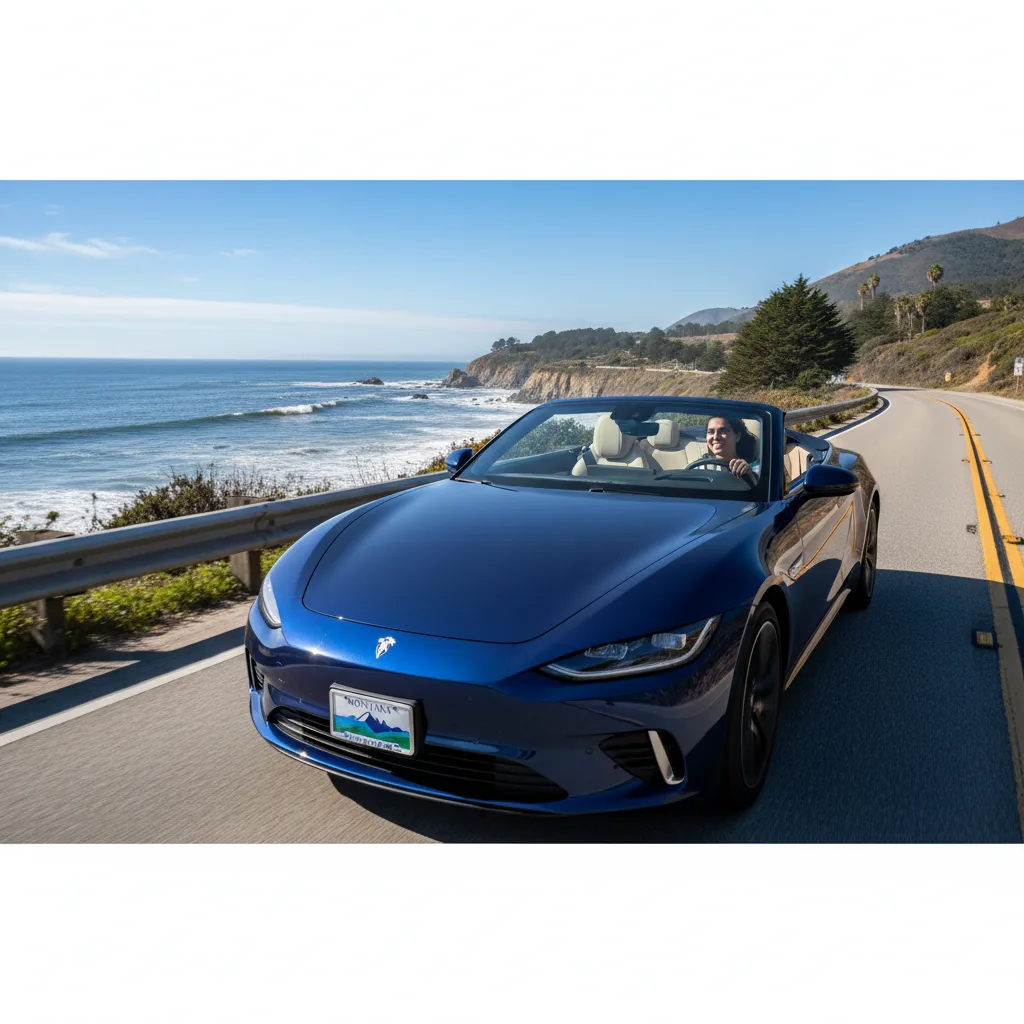
Montana has structured its vehicle registration laws to attract out-of-state vehicle ownership through limited liability companies. A Montana LLC is a recognized business entity under Montana law, and any vehicle titled to that LLC is registered as a business vehicle in Montana. Montana imposes no sales tax, no use tax, no annual property tax on vehicles, and no Vehicle License Fee. A vehicle titled to a Montana LLC pays a one-time registration fee at the time of titling and, for vehicles over 11 years old or registered as permanent, never pays a renewal fee again.
This structure is not a loophole. It is the express purpose of the Montana LLC Act, and it is supported at the federal level by two constitutional provisions that prohibit California from interfering. The Commerce Clause of the U.S. Constitution prohibits states from discriminating against out-of-state commerce. The Full Faith and Credit Clause requires every state to recognize the legal acts and corporate filings of every other state. A vehicle owned by a Montana LLC is the property of a Montana business, registered in Montana, operated under Montana plates, and California has no jurisdiction to tax it.
This is the same legal framework that allows national rental car fleets to register thousands of vehicles in a single state and operate them across all 50. It is the framework that lets trucking companies headquartered in low-tax states run nationwide routes without re-registering every truck in every state it crosses. It is the framework that lets corporate fleet leasing firms title vehicles in one jurisdiction and lease them to drivers in another. Individual vehicle owners using Montana LLCs are operating under the same federal commerce protections as Hertz, Penske, and Enterprise.
- No California use tax. The vehicle is owned by a Montana entity. There is no sale to California, no transfer of title to a California resident, and no taxable event under California law.
- No California VLF. The vehicle is not on the California registration rolls. There is no annual property tax assessment.
- No smog inspection. Montana does not require emissions testing. California cannot impose a smog requirement on a vehicle registered in another state.
- No CHP VIN verification. The vehicle was titled in Montana through a Montana title process. California has no role in verifying the VIN.
- No front license plate. Montana issues a single rear plate. The vehicle’s clean front fascia stays clean.
- Permanent registration. Once registered as permanent in Montana, the vehicle never needs renewal. There are no annual stickers, no annual fees, no annual reminders.
- No 20-day clock. The vehicle is not a California-resident vehicle. CVC 4000.4 does not apply. There is no deadline to violate.
Zero Tax Tags handles the complete Montana LLC formation and vehicle titling process from start to finish. We form your single-member Montana LLC with the Montana Secretary of State, obtain a federal EIN, prepare and file all titling paperwork with the Montana DMV, secure your permanent Montana plates, and ship them to your address. The total Year 1 cost is $899, which includes $699 in service fees and $200 in Montana state LLC formation fees. Year 2 and beyond, the only ongoing cost is $120 per year for Montana LLC annual report and registered agent maintenance. Montana’s permanent vehicle registration costs $0 per year to renew.
Real-world cases
Here is what this looks like for the people who actually make the move.
Case 1: the tech recruit and his Porsche 911
Michael accepted a senior engineering offer at a Mountain View AI company in late 2025. His base salary plus equity package was excellent, and his relocation budget covered the move from Austin. He owned a 2024 Porsche 911 Carrera S, purchased eight months earlier for $135,000. Excited about the move, Michael started looking into Bay Area registration the week he signed his apartment lease in Palo Alto.
The math hit him within an hour. Because he had owned the car for less than 12 months, California would impose use tax on the full $135,000 purchase price at the Santa Clara County rate of 9.125%, generating a use tax bill of $12,319. The first-year VLF added another $878. Base registration, title, smog, and CHP fees added $260 more. The all-in cost to register a Porsche he already owned and had already paid Texas sales tax on was $13,457.
Through Zero Tax Tags, Michael formed a Montana LLC and titled the Porsche to it for $899. Five years of Montana LLC maintenance brings his total Montana cost to $1,379. His five-year savings, accounting for declining VLF, exceed $14,000. The Porsche keeps its clean front fascia (no California front plate), avoids smog inspections entirely, and never gets routed through the CHP VIN backlog.
Case 2: the active-duty officer with an F-250 and a fifth wheel
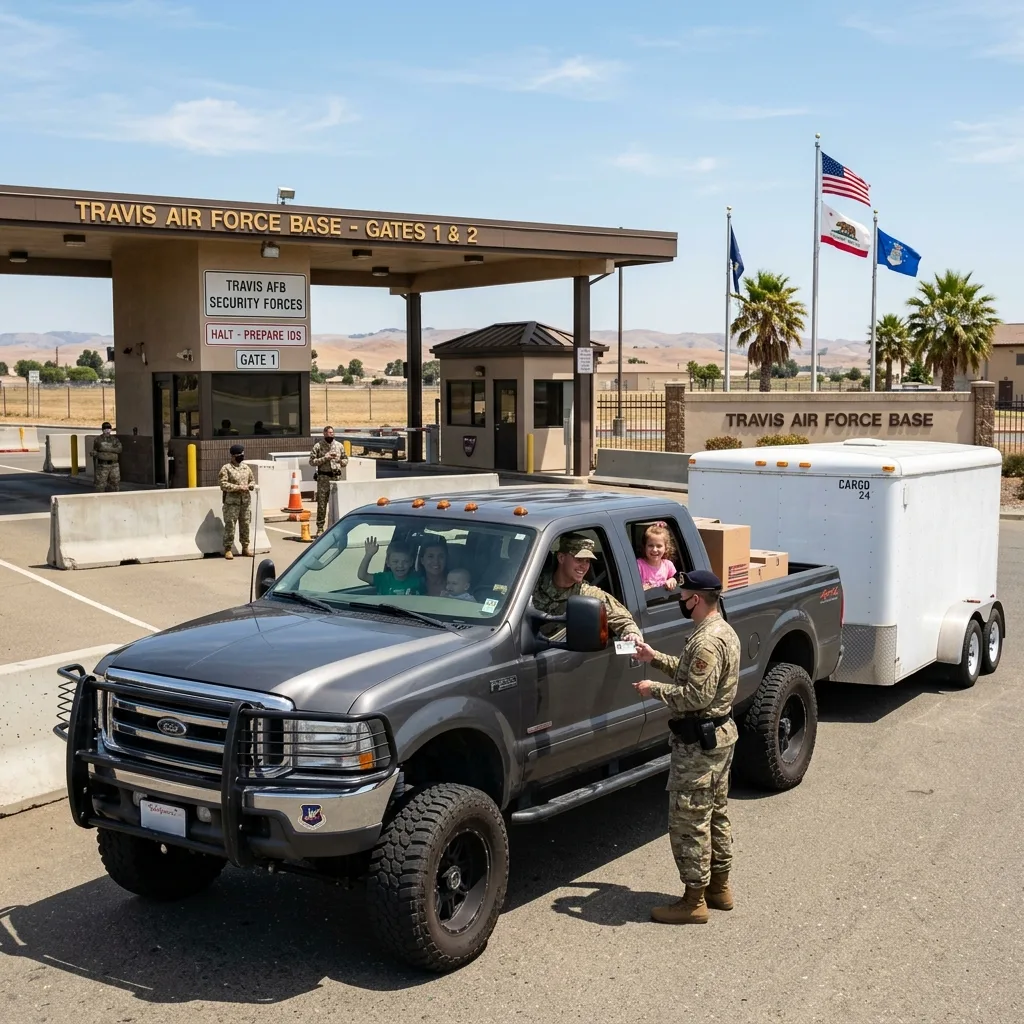
Captain Sarah Martinez received orders to Camp Pendleton in early 2026. She and her husband, an active-duty Marine, owned a 2023 Ford F-250 King Ranch worth $78,000 and a 2024 Grand Design Solitude fifth-wheel travel trailer worth $115,000. The fifth wheel was their primary residence during long deployments. The truck was their daily driver.
Active-duty service members can claim Servicemembers Civil Relief Act protections to keep vehicles registered in their state of legal residence, but Sarah’s husband’s civilian work as a remote contractor for a California-based defense firm complicated their situation. To stay on the safe side and avoid any future audit, they elected the Montana strategy for both vehicles. Two LLCs, one for each vehicle to keep liability separate, total Year 1 cost of $1,798, ongoing $240 per year.
The California alternative would have been brutal. Use tax on the F-250 alone at the San Diego County rate of 7.75% would have been $6,045. Use tax on the fifth wheel would have added $8,913. First-year VLF on both vehicles would have totaled $1,254. The Montana route saved them more than $14,000 in year one and continues to save them roughly $1,500 per year in ongoing VLF and weight fees.
Case 3: the remote worker with a leased Jeep
Jamal worked remotely as a senior product designer for a Brooklyn-based startup. When his New York apartment lease ended, he decided to spend a year in San Diego. He drove west in his 2024 Jeep Wrangler Rubicon, which he leased through a New York dealership. His lease had 28 months remaining and the vehicle had a residual value of $52,000.
Leased vehicles complicate the California registration process because the lessor (the bank or finance company) must approve the registration change. Most lessors charge a fee of $250 to $500 to process an out-of-state registration on a leased vehicle, and most require the lessee to pay use tax in the new state on top of any sales tax already paid. For Jamal, registering the Jeep in San Diego would have meant a $4,030 use tax bill, a $338 VLF, plus the lease modification fee, on a vehicle he didn’t even own.
Jamal chose the Montana route. Because Zero Tax Tags can title leased vehicles to a Montana LLC with proper lessor cooperation paperwork, the Jeep stayed on its existing lease but received Montana plates. Year 1 cost: $899. Annual cost: $120. Total avoided California cost over the remaining 28 months of his lease: more than $4,800. When his lease ends, the Montana title transfers cleanly back to the lessor without California ever touching the paperwork.
Case 4: the modified WRX owner
Kevin moved from Denver to Sacramento for a software engineering job in 2026. He owned a 2018 Subaru WRX STI that he had built over six years into a 450-horsepower track car. The car had a Cobb tune, an ETS turbo, an aftermarket exhaust, an upgraded intercooler, and a full coil-over suspension. None of the parts had a CARB EO number. The car was perfectly legal in Colorado and had passed inspection there year after year.
In Sacramento, Kevin’s car would have failed California smog the moment a scanner touched the OBDII port. The Cobb tune alone is a guaranteed fail. Bringing the car back to compliance would have meant removing the tune, the turbo, the intercooler, and the exhaust, and replacing them with factory parts. Total restoration cost: roughly $7,500, on top of the registration fees, on a car he had no intention of selling. He would also lose roughly $9,000 in resale value on the modified parts.
Through Zero Tax Tags, Kevin titled the STI to a Montana LLC and kept every modification. The car drives the same Sacramento streets as before, on Montana plates, with no California inspection ever required. Year 1 cost: $899. Effective savings versus the California restoration path: more than $15,000 in avoided parts replacement and lost modification value.
Case 5: the retiree with a luxury motorhome
Robert and Linda retired in early 2026 and decided to spend their first year of retirement in a coastal Carlsbad rental near their grandchildren. They owned a 2023 Newmar Dutch Star motorhome worth $385,000 and a 2024 Jeep Grand Cherokee tow vehicle worth $58,000. Both were purchased recently in Florida, where they had lived for the prior 15 years.
Registering the Dutch Star in California would have triggered use tax at 9.5% (Carlsbad’s rate), generating $36,575 in use tax alone. The first-year VLF would have added $2,503. Weight fees on a 30,000-pound coach would have added another $400. The Jeep would have added $5,510 in use tax and $377 in VLF. Total California first-year cost across both vehicles: more than $45,300.
Robert formed two Montana LLCs through Zero Tax Tags, one for each vehicle, at a combined Year 1 cost of $1,798. Ongoing maintenance is $240 per year. Their total California cost avoided in year one alone exceeds $43,000. The Dutch Star never sees a California weighmaster. The Jeep never sees a smog station. Both vehicles park in Carlsbad on permanent Montana plates and remain Robert’s property to use as he sees fit.
How to get started
The Montana strategy works best when set up before you cross the California border, because it eliminates the 20-day clock from the start. It also works after you have already moved, because the vehicle was never required to surrender to California in the first place. The process from initial inquiry to plates in your hand typically runs about a week. We handle everything — LLC formation, title work, and DMV filing — with power of attorney, so there is no paperwork to sign and return.
| Day 1: | Complete the Zero Tax Tags intake form. Provide vehicle VIN, current title information, lienholder details if applicable, and your shipping address. We file your Montana LLC with the Secretary of State and obtain your federal EIN the same day. You receive your LLC Articles of Organization and Operating Agreement. |
| Within 5 days: | We file the title and registration with the Montana DMV using our power of attorney — no paperwork for you to sign or return. Montana plates are issued and ship to your address via priority mail. You install them on the vehicle and update your insurance to reflect Montana LLC ownership. |
| Year 2+: | Annual LLC maintenance ($120/year) keeps the entity in good standing. The vehicle’s Montana registration is permanent and never requires renewal. |
Before you call us, gather the following: a clear photograph of your current title (front and back), the vehicle’s VIN, your lienholder name and account number if the vehicle is financed or leased, and a shipping address where you can receive plates. If you have not yet moved, we can begin the process from your current state, ensuring the LLC and Montana registration are in place before you cross the border.
Frequently asked questions
Q: Is the Montana LLC strategy legal?
Yes. The Montana LLC Act expressly authorizes single-member LLCs to own vehicles and other property. Federal law requires every state to recognize the corporate filings and out-of-state vehicle registrations of every other state under the Commerce Clause and the Full Faith and Credit Clause. The vehicle is owned by a Montana business and registered in Montana. California has no jurisdiction to tax property owned by an out-of-state business entity.
Q: What is the use tax and when does it apply?
California use tax is functionally a sales tax applied to vehicles purchased outside California and brought into the state. It applies at the local sales tax rate, which ranges from 7.25% to 10.25% depending on the county and city. Use tax is owed if you bring a vehicle into California within 12 months of purchase, or if California determines the vehicle was purchased outside the state for the purpose of use in California. Owners get a partial credit for sales tax paid in the original state, but only up to the California state portion of the rate.
Q: Can I keep my car registered in my home state indefinitely?
If you become a California resident, no. CVC 4000.4 requires registration within 20 days of establishing residency, and California enforces this through CHP traffic stops, parking enforcement, and tip lines. The Montana LLC strategy works because the vehicle is not owned by you personally; it is owned by a Montana business entity. The entity, not the individual, is the registered owner.
Q: Does this work for RVs, trucks, and motorcycles?
Yes. Montana registration is available for cars, trucks, SUVs, RVs, motorhomes, motorcycles, ATVs, UTVs, boats, trailers, fifth wheels, and toy haulers. RVs and motorhomes especially benefit from the strategy because California’s VLF and weight fees are calculated against very high purchase prices. 49-state motorcycles, which cannot be registered in California due to missing emissions equipment, can be Montana-registered without modification.
Q: What about the new 2025 OBDII smog rules?
California’s October 2025 update to the smog inspection program requires all OBDII emissions monitors to read ready at the time of inspection. A single not-ready monitor fails the test. This rule disproportionately affects vehicles that have been shipped, stored, recently repaired, or had their batteries disconnected, because emissions monitors clear when the ECU loses power. Montana does not require emissions inspections, so this rule does not apply to Montana-registered vehicles.
Q: How long does the Montana LLC process take?
Two to three weeks from intake to plates in your hand. The Montana Secretary of State typically processes LLC filings within 24 to 72 hours when filed electronically. The Montana DMV typically issues title and plates within five to seven business days of receiving the titling paperwork. Shipping plates to your address takes another two to three days by priority mail.
Q: Do I have to physically go to Montana?
No. Zero Tax Tags handles every step remotely. You sign the LLC formation documents and the title transfer paperwork from wherever you are. We handle all filings with the Montana Secretary of State and the Montana DMV. Your plates are shipped to your address. You never need to set foot in Montana to complete the process or to maintain your LLC.
Q: What about insurance?
Your existing auto insurance carrier in most cases will write a policy for a vehicle owned by a Montana LLC and operated by you as a named insured. Some carriers prefer commercial auto policies for LLC-owned vehicles; others extend personal auto coverage with the LLC named as an additional insured. We can refer you to insurance brokers who specialize in Montana LLC vehicle coverage if your current carrier will not accommodate.
Q: What if I sell the vehicle later?
The LLC sells the vehicle. The buyer receives a Montana title from the LLC, signed by you as the LLC’s authorized representative. There is no California sales tax obligation on the sale because the vehicle is not California-titled. The buyer registers the vehicle in their own state under their state’s normal process. You can dissolve the LLC after the sale, or keep it open to use for your next vehicle.
Q: What happens if I get pulled over in California with Montana plates?
Routine traffic stops are exactly that: routine. The officer checks your driver’s license, your insurance, and your registration. Montana plates and a Montana registration document are valid. CHP officers are trained to recognize out-of-state registrations and have no authority to require you to re-register a vehicle owned by an out-of-state business entity. The vehicle is the property of a Montana LLC, registered in Montana under Montana law, protected by the Commerce Clause from discriminatory state taxation.
Don’t pay the California welcome tax
Moving to California is supposed to be the start of a new chapter, not a forced contribution to the state’s general fund. The standard DMV process treats every newcomer like a tax base to be exploited, and it punishes the people most likely to drive valuable vehicles: tech workers, military families, retirees, remote professionals, and enthusiasts. The first-year cost of registering a midrange vehicle in California easily exceeds $5,000 once use tax, VLF, transfer fees, smog certification, and CHP verification all stack on a single bill.
The Montana LLC strategy exists because federal law gives every American the right to own property through a business entity in any state, and to operate that property across state lines without paying tribute to every jurisdiction it crosses. The strategy is used by national fleet operators, leasing companies, rental car chains, and tens of thousands of private individuals. It is supported by Montana statute, by the Commerce Clause, and by the Full Faith and Credit Clause. It is the same legal framework that lets a Hertz rental car licensed in one state serve customers in fifty.
There is a faster, cheaper, and federally protected alternative to every part of this process. A Montana LLC costs $899 in year one. You get permanent plates, no smog, no CHP appointment, no use tax bill, and no front license plate bracket drilled into your front bumper. Setup takes about three weeks. The savings start immediately.
Stop paying California’s “welcome tax”
Thousands of California transplants have kept their vehicles in Montana. You can too.